




How to prevent soggy bottoms in homemade fruit pies with fresh berries?

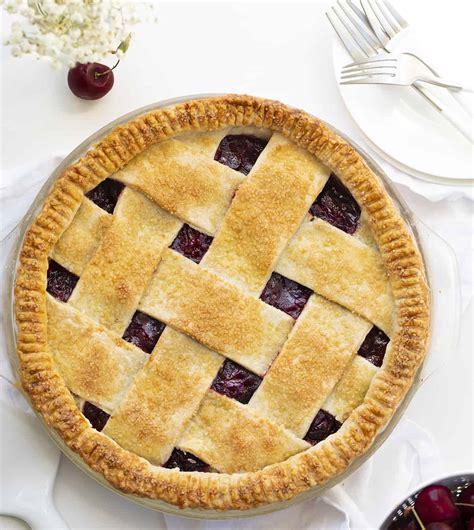
There’s nothing quite as disappointing as pulling a beautifully golden-brown fruit pie from the oven, only to discover a limp, undercooked, and utterly soggy bottom when you slice into it. This common baking woe is particularly prevalent with fresh berry pies, where the high moisture content of the fruit poses a significant challenge. Fear not, pie enthusiasts! With a few strategic steps and a little know-how, you can banish soggy bottoms forever and achieve that coveted flaky, crisp crust every single time.
The Enemy: Excess Moisture
Fresh berries are delicious, but they release a lot of liquid when heated. This moisture seeps into the bottom crust, preventing it from baking through properly. The result is a gummy, pale, and unappetizing layer that ruins the texture of an otherwise perfect pie. Understanding this enemy is the first step to conquering it.
Key Strategies for a Flaky Foundation
1. The Power of Blind Baking (or Par-Baking)
Blind baking refers to baking the pie crust before adding the filling. This crucial step creates a head start for the bottom crust, firming it up and drying it out before it encounters the juicy fruit.
- Roll and Chill: Always start with a well-chilled crust. Roll it out, fit it into your pie dish, crimp the edges, and then chill it again for at least 30 minutes. This helps prevent shrinkage.
- Prick and Weight: Before baking, prick the bottom and sides of the crust all over with a fork. Line the chilled crust with parchment paper and fill it with pie weights, dried beans, or rice. This prevents the crust from puffing up.
- Bake Until Golden: Bake in a preheated oven (usually 375-400°F / 190-200°C) for 15-20 minutes, or until the edges are lightly golden. Remove the weights and parchment, then continue baking for another 5-10 minutes, or until the bottom is pale gold and looks dry. If you’re going for a fully baked, ready-to-fill crust (for cream pies, for example), you’d bake longer. For fruit pies, par-baking is usually sufficient.
2. Creating a Moisture Barrier
Even with blind baking, an extra layer of protection can make a huge difference. This barrier acts as a shield between the juicy filling and your pre-baked crust.
- Egg Wash: After blind baking, brush the warm crust with a thin layer of lightly beaten egg white (or a whole egg wash). Return it to the oven for 2-3 minutes until the egg sets and forms a seal.
- Dry Crumbs: Sprinkle a thin layer of dry breadcrumbs, crushed cornflakes, finely ground nuts, or even a tablespoon of all-purpose flour or cornmeal directly onto the bottom of the par-baked crust before adding the filling. These will absorb excess moisture before it can penetrate the pastry.
3. Taming Those Juicy Berries
The fruit itself needs attention to minimize its moisture contribution.
- Drain if Necessary: If your berries are extremely juicy (e.g., thawed frozen berries), consider draining them briefly after washing, especially if they’ve been sitting in sugar.
- Use the Right Thickener: This is crucial for controlling the berry juices.
- Cornstarch: A common choice, provides a clear, glossy gel. Use about 1 tablespoon per cup of fruit.
- Tapioca (Instant or Pearl): Tapioca pearls need to be soaked or finely ground (instant tapioca). It gives a slightly clearer, less gummy texture than cornstarch and can withstand longer baking times. Use 1.5-2 tablespoons per cup of fruit.
- Flour: While effective, flour can make the filling cloudy and sometimes pasty. Use 2 tablespoons per cup of fruit.
- Pectin-based thickeners: Specifically designed for fruit fillings, these provide excellent stability.
- Pre-cook the Filling (Optional): For extremely wet berries, gently simmer a portion of the berries with sugar and thickener on the stovetop until slightly thickened, then mix with the remaining fresh berries before filling the pie. This reduces total moisture.
4. The Right Dish and Temperature
- Pie Dish Material: Glass or ceramic pie dishes conduct heat more evenly and retain it better than metal, leading to a crispier bottom crust. Dark metal pans can sometimes overbake the crust before the filling is set.
- Hot Oven Start: Begin baking your pie in a preheated oven at a higher temperature (e.g., 425°F / 220°C) for the first 15-20 minutes. This initial blast of heat helps set the bottom crust quickly. Then, reduce the temperature to a moderate heat (e.g., 375°F / 190°C) for the remainder of the baking time.
- Bake Until Done: Don’t pull the pie out too early! The filling should be visibly bubbling thickly in the center (not just at the edges), and the crust should be deeply golden. This ensures the thickener has fully activated and the bottom crust has had ample time to bake. Tent with foil if the top crust browns too quickly.
5. Don’t Rush Cooling
Patience is a virtue, especially with fruit pies. Allow your pie to cool completely on a wire rack for several hours, or even overnight. As it cools, the filling continues to set and solidify, preventing any remaining moisture from softening the crust.
Bonus Tip: Handle Your Crust with Care
A well-made crust is naturally more resistant to sogginess. Avoid overworking your dough, as this develops gluten and makes the crust tough. Use cold butter or shortening, and handle it minimally to keep it flaky and tender.
By implementing these techniques—blind baking, creating a moisture barrier, wisely managing fruit moisture, and ensuring proper baking and cooling—you’ll be well on your way to consistently baking fruit pies with a perfectly crisp, golden bottom crust that stands up to even the juiciest fresh berries. Happy baking!