How to prevent soggy pie crusts when baking with fresh fruit?
The Battle Against the Soggy Bottom
Baking a homemade pie with fresh, juicy fruit is one of life’s simple pleasures, but it often comes with a common culinary challenge: a soggy bottom crust. The abundant moisture released by fresh fruit during baking can turn a beautifully crisp pastry into a disappointing, gummy layer. Fortunately, with a few expert techniques, you can achieve a perfectly golden and flaky crust every time, even when working with the juiciest berries or peaches.

Why Fresh Fruit Pies Get Soggy
Understanding the enemy is the first step to conquering it. Fresh fruits are packed with water, and as they heat up in the oven, this water is released as steam and juice. This liquid inevitably seeps into the bottom pie crust, especially if the crust is underbaked or unprotected. The starch in the flour absorbs this moisture, leading to a doughy, unappetizing texture rather than a crisp, buttery one.
Essential Techniques for a Crisp Crust
1. Blind Baking (Par-Baking) Your Crust
This is arguably the most critical step for many fruit pies. Blind baking involves partially or fully baking the pie crust before adding the filling. This pre-cooks the pastry, forming a barrier that is less susceptible to moisture absorption.
- For partial blind baking: Line your chilled pie crust with parchment paper, fill with pie weights (dried beans, rice, or ceramic beads), and bake at a high temperature (e.g., 400°F/200°C) for 15-20 minutes, or until the edges are set. Remove weights and parchment, then continue baking for another 5-10 minutes until lightly golden.
- For full blind baking: Follow the partial blind baking steps, but continue baking until the crust is fully golden brown. This is ideal for fillings that don’t require much oven time themselves.

2. Create a Protective Moisture Barrier
Even with blind baking, an extra layer of protection can make a significant difference.
- Egg Wash: After blind baking, brush the bottom and sides of the hot crust with a beaten egg white or whole egg. The egg proteins will cook and create a thin, waterproof layer.
- Melted Butter or Chocolate: For specific recipes, a thin layer of melted butter, or even a very thin layer of melted white chocolate (for fruit pies where it complements the flavor), can seal the crust effectively.
- Breadcrumbs or Crushed Cereal: A sprinkle of fine breadcrumbs, crushed cornflakes, or even cookie crumbs (like graham cracker crumbs) on the bottom of the par-baked crust before adding the filling can absorb excess moisture.
3. Thicken Your Fruit Filling Appropriately
A well-thickened filling will release less free-flowing liquid to attack your crust.
- Starches: Cornstarch, tapioca starch (granulated or instant), or arrowroot powder are common thickeners. Tapioca is excellent for fruit pies as it creates a clear gel and holds up well to freezing. Use 1-2 tablespoons per 4-6 cups of fruit, adjusting based on the fruit’s juiciness.
- Flour: All-purpose flour can also be used, but it can make the filling a bit cloudy.
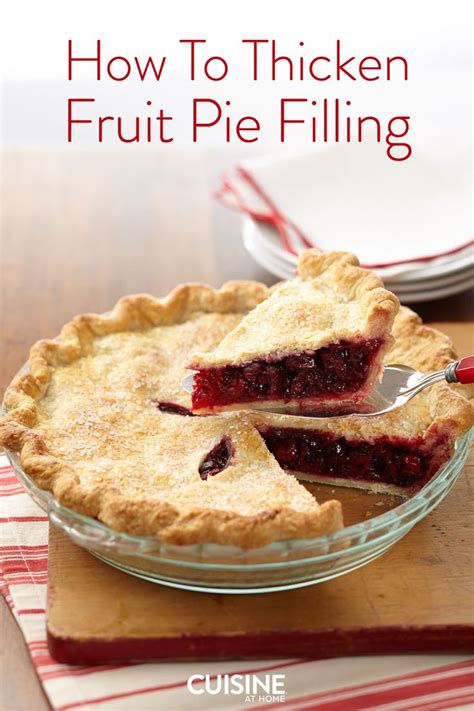
- Pre-cooking Fruit: For very juicy fruits, gently cook a portion of the fruit with the sugar and thickener on the stovetop until slightly thickened before adding to the crust with the remaining fresh fruit.
4. Manage the Fruit’s Natural Juices
Sometimes, the fruit itself needs a little intervention.
- Macerate and Drain: For extremely juicy fruits like berries or peaches, toss them with sugar and let them sit for 30-60 minutes. This process, called maceration, draws out excess liquid. You can then drain off some of this liquid before mixing the fruit with thickeners and placing it in the crust.
- Don’t Overfill: Piling too much fruit into your pie can lead to excessive moisture and overflow. Stick to recipe recommendations.
5. Optimize Your Pie Crust Recipe and Baking
A strong foundation starts with the crust itself.
- Cold Ingredients: Always use very cold butter and ice water for your pie dough. This creates steam pockets in the oven, resulting in a flaky texture.
- Don’t Overwork the Dough: Overworking develops gluten, leading to a tough, less tender crust.
- Chill Thoroughly: Chilling the dough multiple times (after mixing, after shaping into the pan) helps the butter solidify and prevents shrinkage and sogginess.
- High Initial Temperature: Some bakers recommend starting the pie at a higher temperature (e.g., 425°F/220°C for 15-20 minutes) to help set the bottom crust quickly before reducing the temperature for the remainder of baking.

Conclusion
Preventing a soggy pie crust with fresh fruit might seem daunting, but by incorporating these proven techniques into your baking routine, you’ll be well on your way to crafting show-stopping pies with perfectly crisp, golden bottoms. Embrace blind baking, protective barriers, smart thickening, and proper fruit management, and your homemade fruit pies will be the talk of the table.