How to properly preserve summer berry jam without extra pectin?
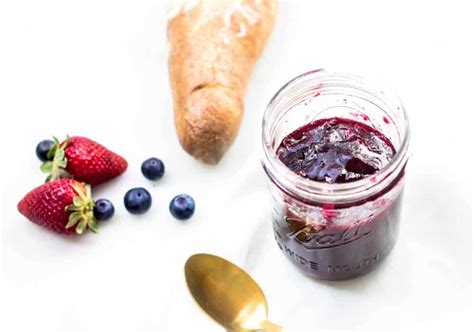
Embracing Nature’s Set: The Art of Pectin-Free Berry Jam
Making homemade jam is one of summer’s most delightful traditions, capturing the vibrant flavors of fresh berries in a jar. While many recipes call for added pectin to ensure a firm set, it’s entirely possible, and often preferable, to achieve a perfectly set jam using only the natural pectin found in your fruit. This method allows the pure taste of the berries to shine through, creating a more authentic and flavorful preserve. The key lies in understanding your ingredients and mastering a few simple techniques.
Understanding Natural Pectin and Fruit Choices
Pectin is a natural carbohydrate found in the cell walls of fruits, responsible for giving them structure. When heated with sugar and acid, pectin forms a gel, which is what gives jam its characteristic texture. Some fruits are naturally high in pectin (like apples, citrus peels, and cranberries), while many berries are relatively lower. However, even lower-pectin fruits like most berries contain enough to set properly with the right approach.
When selecting berries for a pectin-free jam, aim for a mix of slightly under-ripe and ripe fruit. Under-ripe berries typically have higher pectin levels. For example, if using strawberries, try to include a few that are still a bit firm. Blueberries, raspberries, and blackberries all have enough natural pectin when handled correctly. Combining a higher-pectin berry (like some wild blackberries) with a lower-pectin one can also be beneficial.
The Essential Steps to a Perfect Jam Set
1. Proper Fruit Preparation
Begin by washing your berries thoroughly. For most berries, a light mash is sufficient to break down the fruit and release juices. Some people prefer whole berries or larger pieces, which is fine, but the mashing helps with pectin extraction. Add a touch of lemon juice; the acid is crucial for pectin to gel effectively. For every 2 pounds of berries, start with 1-2 tablespoons of fresh lemon juice.
2. The Right Sugar Ratio and Cooking Method
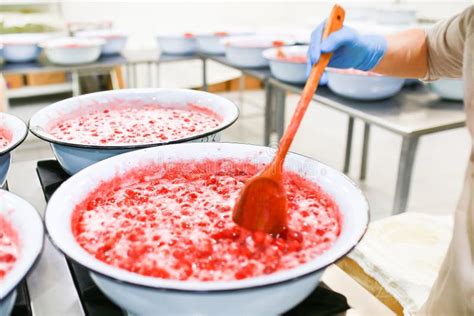
Sugar plays a dual role: it sweetens the jam and acts as a preservative. A general ratio for pectin-free jam is 1 part sugar to 1 part fruit by weight, though this can be adjusted slightly to taste. Combine your prepared berries, lemon juice, and sugar in a heavy-bottomed pot. Bring the mixture to a boil over medium-high heat, stirring constantly until the sugar dissolves. Once boiling, reduce the heat slightly to maintain a rolling boil, stirring frequently to prevent scorching.
The key to developing pectin and achieving a good set without added pectin is a rapid, high-heat boil. This concentrates the pectin, sugar, and acid quickly, reducing cooking time and preserving the fresh flavor of the fruit. Avoid simmering for long periods, as this can break down pectin.
3. Identifying the Setting Point
This is arguably the most critical step. There are several ways to test for a set:
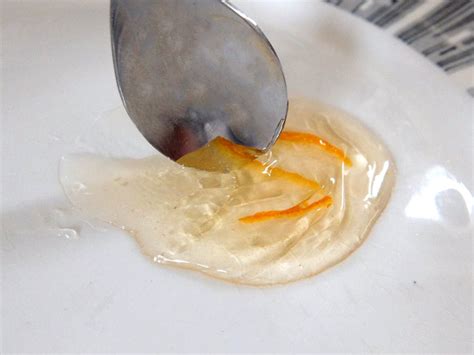
- The Plate Test: Place a small plate in the freezer before you start cooking. When you think the jam is ready, spoon a teaspoon of hot jam onto the cold plate. Wait 30 seconds, then push the jam with your finger. If it wrinkles, it’s ready. If it runs, continue cooking.
- Temperature Test: Use a candy thermometer. Jam typically sets between 218°F and 222°F (103°C to 105°C) at sea level. The exact temperature can vary slightly based on altitude and fruit type.
- The Sheeting Test: Dip a cold spoon into the hot jam, lift it, and turn it sideways. If the jam forms a “sheet” or drips off in thick flakes rather than separate drops, it’s likely ready.
Sterilization and Proper Sealing for Longevity
Once your jam has reached its setting point, it’s time to jar it. Proper sterilization of your jars and lids is essential for safe, long-term preservation.
- Wash jars and lids in hot, soapy water, then rinse thoroughly.
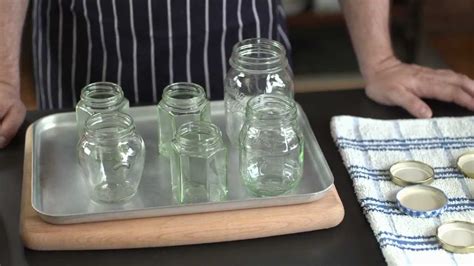
- Sterilize jars by boiling them in water for at least 10 minutes, or by running them through a hot cycle in a dishwasher. Keep them hot until filling.
- Heat new canning lids in hot (not boiling) water to soften the sealing compound.
Carefully ladle the hot jam into the hot, sterilized jars, leaving about ¼ inch of headspace. Wipe the rims clean with a damp cloth, center the lids, and screw on the bands until fingertip tight. Process the filled jars in a boiling water bath canner for 10-15 minutes (adjusting for altitude). This creates a vacuum seal, ensuring your jam remains shelf-stable for months.
Storage and Enjoyment
After processing, remove the jars from the canner and let them cool undisturbed on a towel for 12-24 hours. You should hear the “ping” of the lids sealing. Once cooled, check for a proper seal by pressing the center of each lid; it should not flex. Store properly sealed jars in a cool, dark place for up to a year. Once opened, refrigerate and consume within a few weeks.
Preserving summer’s bounty without extra pectin is a rewarding endeavor that connects you more deeply with your food. The resulting jam is a testament to the natural beauty and flavor of berries, perfect for toast, pastries, or a dollop on yogurt.
Conclusion: The Reward of Pure Berry Flavor
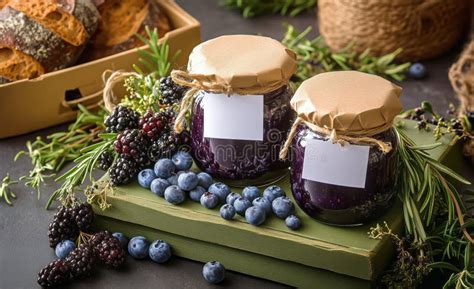
Crafting homemade berry jam without the aid of extra pectin might seem daunting at first, but with a good understanding of your fruit and careful attention to the cooking process, you can achieve a truly spectacular preserve. The natural sweetness, subtle tartness, and vibrant color of your berries will be unimpeded, offering a pure taste of summer in every spoonful. Embrace the process, trust the fruit, and enjoy the delicious rewards of your labor!