
How to properly season and care for cast iron skillets for generations?
Cast iron skillets are more than just cookware; they are cherished heirlooms, capable of lasting for generations with the right care. Their legendary durability, superior heat retention, and ability to develop a natural non-stick surface make them a favorite in kitchens worldwide. However, unlocking their full potential and ensuring their longevity requires a proper understanding of seasoning and ongoing maintenance. This guide will walk you through the steps to care for your cast iron skillet, transforming it into a cooking companion that will serve your family for decades to come.
The Foundation: Initial Seasoning for New or Stripped Cast Iron
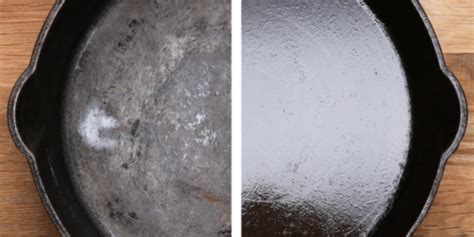
Seasoning is the cornerstone of cast iron care. It’s the process of baking thin layers of oil onto the surface of the pan, creating a polymerized layer that protects the iron from rust and provides a naturally non-stick cooking surface. For a brand-new skillet, or one that has been stripped of its old seasoning (e.g., to remove rust), a thorough initial seasoning is crucial.
First, clean the pan with warm, soapy water and a stiff brush, then rinse and dry thoroughly. Yes, it’s the one time you’ll use soap! Next, apply a very thin, even layer of high smoke point oil (like grapeseed, flaxseed, or vegetable oil) to every surface of the skillet, inside and out. Wipe off any excess oil with a paper towel until the pan looks dry but has a subtle sheen. Place the skillet upside down in a cold oven and heat to 450-500°F (232-260°C). Bake for one hour, then turn off the oven and let the pan cool completely inside. Repeat this oiling and baking process 3-5 times to build a strong initial layer of seasoning.

Maintaining the Legacy: Everyday Seasoning and Cleaning
Daily Seasoning After Use
Every time you cook with your cast iron, you’re adding to its seasoning, especially if you’re cooking with fats and oils. However, a light re-seasoning after each wash further solidifies the non-stick surface. After cleaning (see below), place the skillet on a burner over medium-low heat for a few minutes to ensure it’s completely dry. Add a tiny amount (about half a teaspoon) of oil to the pan and spread it thinly with a paper towel over the entire cooking surface. Continue to heat until it just begins to smoke, then remove from heat and let it cool. This simple step keeps your seasoning robust and ready for its next use.
The Art of Cleaning Cast Iron
One of the most common myths about cast iron is that you can’t use water or soap. While harsh detergents can strip seasoning, proper cleaning with water is essential. Immediately after cooking, while the pan is still warm, rinse it with hot water. Use a stiff nylon brush or a pan scraper to remove any food bits. For stubborn, stuck-on food, a paste of coarse salt and a little water works wonders as a gentle abrasive scrub. Avoid steel wool or abrasive pads that can scratch the seasoning. Once clean, immediately dry the pan thoroughly with a towel. Residual moisture is the number one enemy, leading to rust.

Storage and Troubleshooting Common Issues
Proper Storage Prevents Problems
Once your skillet is clean and lightly re-seasoned, proper storage is key to preventing rust and maintaining its condition. Store your cast iron in a dry, cool place. If stacking multiple cast iron pieces, place a paper towel or a thin cloth between them to allow for air circulation and absorb any potential moisture. This also prevents scratching the seasoned surface.
Tackling Rust and Sticky Spots
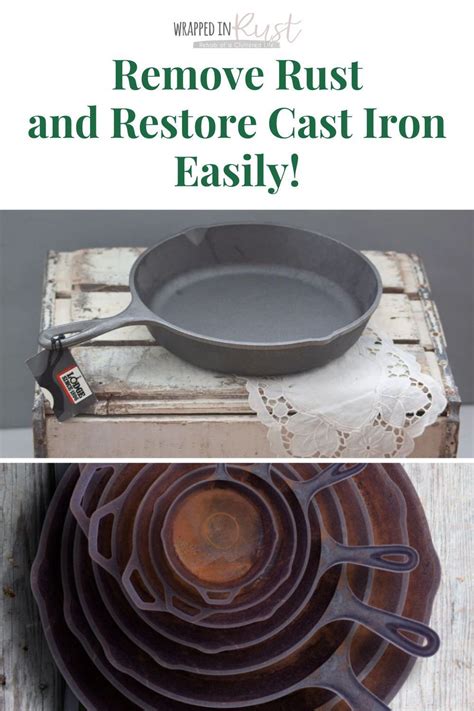
Even with the best care, sometimes issues arise. If you notice rust, don’t despair! Simply scrub the rusted area with a steel wool pad or a stiff brush until the rust is gone, then wash, dry, and re-season that spot (or the entire pan) immediately and thoroughly. If your pan feels sticky, it’s usually a sign of too much oil during seasoning or not heating it long enough. To fix this, scrub the sticky residue off (you might need to use a bit of soap this time), and then apply a much thinner layer of oil and bake it at a higher temperature for longer, ensuring the oil fully polymerizes.
The Generational Reward: Benefits of a Well-Cared Skillet
A properly seasoned and maintained cast iron skillet offers an unparalleled cooking experience. It develops a truly natural non-stick surface over time, allowing eggs to slide freely and achieving perfect sears on meats. Its superior heat retention and even heat distribution make it ideal for everything from frying and sautéing to baking and roasting. More than just a tool, it becomes a testament to enduring quality and a link to culinary traditions, ready to be passed down through your family.
Caring for cast iron is less of a chore and more of a ritual, a small investment of time that pays dividends in cooking performance and longevity. By following these simple steps for seasoning, cleaning, and storing your skillet, you’re not just maintaining a piece of cookware; you’re preserving a legacy. Embrace the journey of caring for your cast iron, and it will reward you with countless delicious meals and a durable cooking companion for generations to come.