
How to properly store homegrown root vegetables for winter?
Harvesting Your Root Vegetables Correctly
The journey to successful winter storage begins even before your vegetables leave the soil. Proper harvesting techniques are crucial to prevent damage and extend shelf life. Most root vegetables are ready for harvest once their foliage begins to yellow or after the first light frost, though some, like parsnips, benefit from a deeper frost.
Carefully dig, rather than pull, your root vegetables to avoid bruising or breaking the skins. Use a garden fork or spade, working around the plant to loosen the soil before gently lifting the roots. Any cuts, nicks, or bruises can become entry points for bacteria and fungi, leading to rot during storage. Handle them with care to preserve their integrity.

Prepping for Long-Term Storage
Once harvested, a few preparatory steps are essential. For most root vegetables (like carrots, beets, and parsnips), twist off the green tops, leaving about an inch of stem attached. This prevents the greens from drawing moisture and nutrients from the root, which would cause them to shrivel. For potatoes, allow them to ‘cure’ for 1-2 weeks in a cool, dark, humid place (around 50-60°F / 10-15°C) to toughen their skins and heal any minor scrapes.
Avoid washing your root vegetables before storage. The dirt provides a natural protective layer. Instead, gently brush off any large clumps of soil. Inspect each vegetable thoroughly for any signs of damage, disease, or pests. Only store the healthiest, unblemished roots. One bad apple (or carrot!) can spoil the whole batch.
Choosing the Right Storage Environment
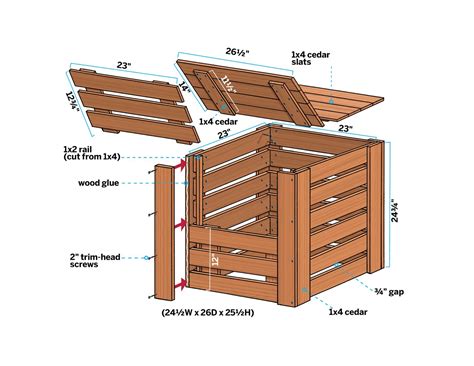
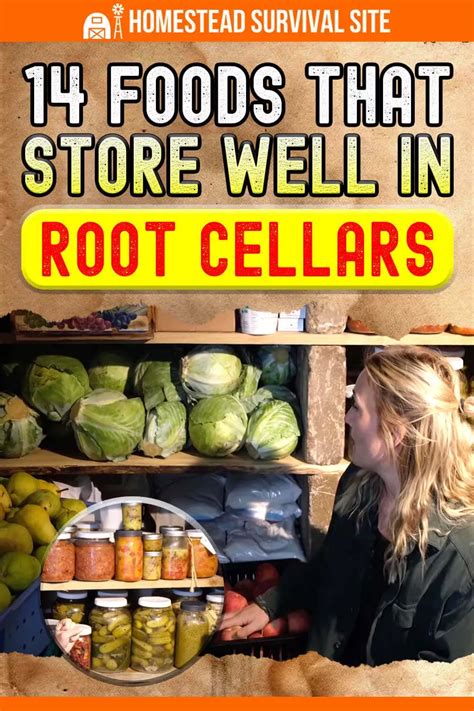
The ideal storage conditions vary slightly depending on the type of root vegetable, but generally, a cool, dark, and moderately humid environment is preferred. A root cellar is the traditional gold standard, offering stable temperatures and humidity. If you don’t have a root cellar, a cool basement, unheated garage, or even a protected pantry can serve the purpose, provided you can maintain the right conditions.
Temperature is key: most root vegetables store best between 32-40°F (0-4°C). Humidity is also critical; too dry, and they shrivel; too wet, and they rot. Aim for 90-95% humidity for most roots, though onions and garlic prefer it drier (60-70%).
Specific Storage Methods for Different Roots
Potatoes and Sweet Potatoes
After curing, store potatoes in a dark, cool (38-45°F / 3-7°C), and relatively humid environment. Light turns them green and bitter, promoting solanine production. Do not store them in the refrigerator, as the cold converts their starch to sugar, affecting flavor and texture. Store them in breathable containers like baskets or burlap sacks. Sweet potatoes, after curing, prefer a warmer (50-60°F / 10-15°C) and slightly more humid spot than regular potatoes.
Carrots, Beets, Parsnips, and Turnips
These vegetables thrive in cool, moist conditions. A common method is to layer them in bins or buckets with a moist medium like sand, sawdust, peat moss, or coco coir. Ensure the medium is damp but not soaking wet. Alternate layers of vegetables and the medium, making sure the roots don’t touch each other. Store these bins in a cool (32-40°F / 0-4°C), dark place. You can also store small quantities in perforated plastic bags in the crisper drawer of your refrigerator.
Onions and Garlic
Unlike other roots, onions and garlic prefer cool, dry conditions with good air circulation. After harvesting, cure them for several weeks in a warm, airy spot until their outer skins are papery dry. Then, store them by braiding their tops, hanging them in mesh bags, or spreading them in single layers in shallow crates. Keep them in a cool (35-50°F / 2-10°C), dry, and well-ventilated area, away from direct sunlight.

Regular Checks and Troubleshooting
Even with the best preparation, it’s crucial to inspect your stored vegetables periodically, perhaps once a month. Remove any roots that show signs of spoilage, softening, mold, or sprouting immediately to prevent the spread to healthy vegetables. Maintaining good air circulation can also help prevent moisture buildup and rot.
If you notice shriveling, your storage environment might be too dry; consider adding a pan of water nearby or misting the storage medium (for root crops in sand/peat). If mold is an issue, increase ventilation and check for excessive humidity.
Conclusion
Storing your homegrown root vegetables through the winter is a rewarding practice that extends the bounty of your garden. By following these careful harvesting, preparation, and storage guidelines, you can enjoy fresh, nutritious produce long after the growing season ends, bringing the taste of your garden to your winter table.