How to reliably scale down large-batch country recipes for two?

Country recipes often conjure images of hearty, generous portions designed to feed a large family or a community gathering. Think rich stews, comforting casseroles, and substantial baked goods. While the flavors are undeniably inviting, the sheer volume can be daunting for a household of two. The good news is that with a few smart strategies, you can reliably scale down these beloved recipes to yield perfect portions without sacrificing an ounce of their rustic charm or deep flavor.
Understanding the Basics of Recipe Reduction
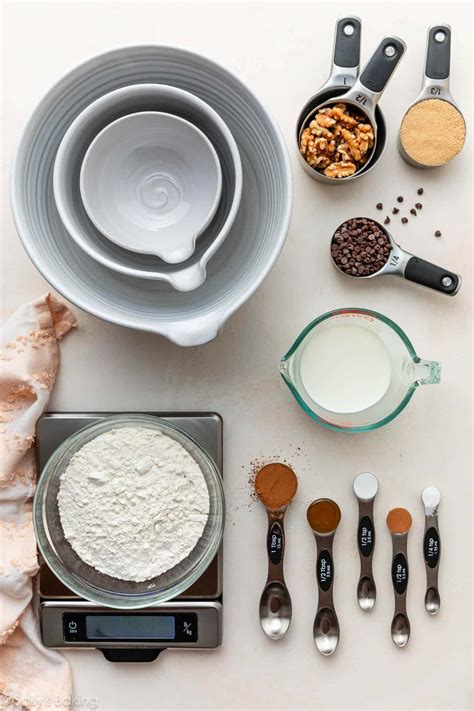
Scaling a recipe isn’t just about cutting every ingredient in half. While that’s a good starting point, some elements behave differently when quantities change. Successful scaling requires an understanding of how different ingredients interact and how cooking dynamics shift in smaller batches.
Key considerations include:
- Ratios vs. Absolute Quantities: Some ingredients, like spices and leavening agents, need more careful adjustment than simply halving.
- Cooking Surface Area: Smaller amounts of food cook faster and can dry out more quickly in large pans.
- Flavor Concentration: Liquids reduce differently, affecting sauce consistency and flavor intensity.
Ingredient by Ingredient: Mastering Proportions
This is where precision truly matters. Here’s a guide to handling common ingredient types:
Liquids (Broth, Water, Milk)
You can generally scale these proportionally. If a recipe calls for 4 cups, use 2 for a half batch. However, be mindful that smaller quantities evaporate faster. It’s often best to start with slightly less than half and add more as needed, especially for sauces or braises, to achieve the desired consistency.
Solids (Meat, Vegetables, Grains)
These are straightforward to halve. If a recipe calls for 2 pounds of chicken, use 1 pound. For vegetables, cut them to the appropriate size for quicker cooking in smaller batches. When reducing grains like rice or pasta, remember that the liquid-to-grain ratio is often crucial; stick to the established ratio rather than just halving the liquid if the grain amount is also halved.
Fats (Oils, Butter)
Fats can usually be scaled proportionally. However, if a recipe calls for a specific amount of fat for browning, like 2 tablespoons of oil to sear meat, you might still need enough to adequately coat the pan, even if the meat quantity is halved. Use just enough to achieve the desired cooking effect without drowning the food. Excess fat can make a dish greasy.
Spices, Herbs, and Seasonings
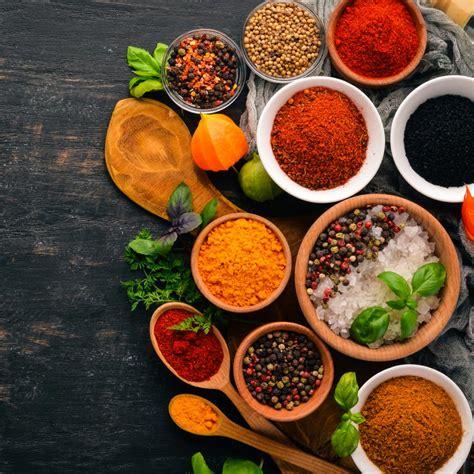
This is the trickiest category. Spices and strong herbs don’t always scale linearly. It’s often best to start with a little more than half (say, two-thirds) of the original amount and taste as you go. For potent ingredients like cayenne pepper, garlic, or fresh ginger, start with exactly half or even slightly less, as their flavor can quickly overpower a smaller dish. You can always add more, but you can’t take it away!
Leavening Agents (Baking Soda, Baking Powder, Yeast)
For baked goods, leavening agents are critical and must be scaled precisely. Use exactly half for a half batch. Even a slight miscalculation here can lead to flat cakes or overly dense breads. If you’re using an odd amount that doesn’t halve easily (e.g., 1 teaspoon), consider using a measuring spoon with a fraction (e.g., 1/2 teaspoon) or carefully estimating.
Eggs
Scaling eggs can be challenging. If a recipe calls for one egg, and you need half, you’ll need to beat the egg and use half of it by volume (about 2-2.5 tablespoons for a large egg). If it calls for two eggs, use one. If it calls for an odd number like three eggs, use one whole egg and half of another (by volume).
Equipment, Cooking Times, and Techniques
Right-Sizing Your Cookware
Using a pan that’s too large for a smaller portion can lead to ingredients drying out, scorching, or uneven cooking. Opt for smaller pots, skillets, or baking dishes that are appropriately sized for your reduced quantities. This ensures proper browning, steaming, or simmering without excessive evaporation.
Adjusting Cooking Times and Temperatures
Smaller batches generally cook faster. Reduce initial cooking times by 25-50% and monitor closely. Always rely on visual cues (doneness of vegetables, browning of meat) and internal temperature rather than strictly following the original recipe’s timing. Baking temperatures usually remain the same, but baking times will significantly decrease.
Technique Adaptations
While most techniques translate directly, some might need minor tweaks. For instance, if a recipe relies on a deep layer of liquid for braising, ensure your smaller pan still provides enough depth for the ingredients to be adequately submerged, or adjust the liquid amount slightly upwards if necessary to prevent drying out.
The Final Touch: Taste and Adjust
The most crucial step in scaling down is frequent tasting. As your reduced dish cooks, taste it periodically. Is it seasoned enough? Does it need a little more acidity, sweetness, or spice? Adjust as you go. This iterative process ensures that your scaled-down dish achieves the same delicious balance as its large-batch counterpart.

Embrace the Experimentation
Scaling recipes for two is a skill that improves with practice. Don’t be afraid to experiment, keep notes on what works and what doesn’t, and trust your palate. Soon, you’ll be confidently transforming any grand country recipe into a perfect, intimate meal for two, filled with all the comfort and flavor you crave.