


How to safely can low-acid garden vegetables without a pressure canner?

For many home gardeners, the bounty of summer often leads to a desire to preserve that freshness for the colder months. While water bath canning is a popular method for high-acid fruits and pickled items, a critical safety question arises when considering low-acid vegetables like green beans, corn, potatoes, and most meats or broths: can they be safely canned without a pressure canner?
The Undeniable Role of the Pressure Canner for Low-Acid Foods
The short and unequivocal answer is no, low-acid vegetables cannot be safely canned using a traditional water bath canner alone. This isn’t a recommendation; it’s a fundamental food safety rule backed by extensive scientific research. The primary concern is Clostridium botulinum, the bacteria responsible for botulism, a rare but potentially fatal form of food poisoning.
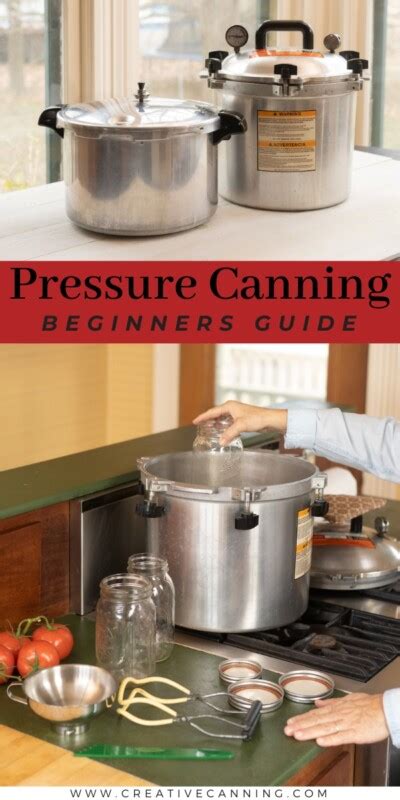
Clostridium botulinum spores thrive in low-acid, oxygen-free environments—exactly what a sealed jar of low-acid vegetables provides. While these spores are harmless, they produce a deadly toxin when they grow. The crucial detail is that botulinum spores can only be destroyed at temperatures higher than boiling water (212°F or 100°C).
A pressure canner works by creating a pressurized steam environment that raises the internal temperature well above the boiling point, typically to 240°F (116°C) or higher. These elevated temperatures are essential to kill any botulinum spores present, making the low-acid food safe for long-term storage at room temperature.
Understanding pH: The Key to Safe Canning
Food acidity is measured on the pH scale, where 7.0 is neutral. Foods with a pH of 4.6 or lower are considered high-acid, while those with a pH above 4.6 are low-acid. Most fruits, jams, and pickled vegetables fall into the high-acid category, allowing them to be safely processed in a boiling water bath because botulinum spores cannot grow in such acidic conditions.

However, nearly all common garden vegetables (beans, corn, peas, carrots, potatoes, asparagus) are low-acid. This means they inherently present a risk of botulism if not processed correctly at pressure canning temperatures.
Safe Alternatives to Pressure Canning for Low-Acid Vegetables
If you don’t own a pressure canner, despair not! You still have several safe and effective ways to preserve your low-acid garden bounty. The key is to choose methods that either create a high-acid environment or avoid the conditions conducive to botulism growth.
1. Acidification and Water Bath Canning (Pickling)
This is the closest you can get to “canning” low-acid vegetables without a pressure canner. By adding sufficient amounts of acid—typically vinegar with at least 5% acetic acid, or lemon juice—you can lower the pH of certain vegetables to make them safe for water bath canning. Classic examples include dill pickles (cucumbers), pickled green beans, pickled asparagus, and relishes. Always use tested recipes from reputable sources (like university extensions) that specify exact acid-to-vegetable ratios to ensure safety.
2. Freezing
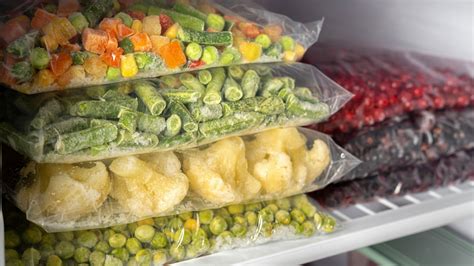
Freezing is arguably the easiest, safest, and most common alternative to canning for most vegetables. Blanching vegetables before freezing helps preserve their color, flavor, and texture. Simply wash, chop, blanch, cool rapidly, pack, and freeze. The extremely cold temperatures halt microbial growth and enzyme activity, keeping your vegetables safe and fresh for months.
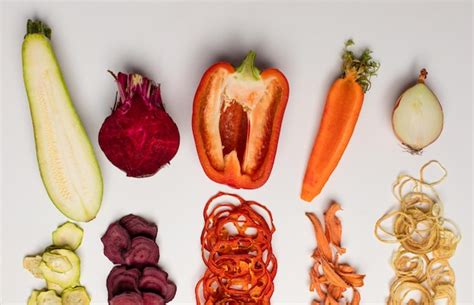
3. Dehydrating (Drying)
Removing moisture inhibits microbial growth, making dehydration another excellent preservation method. Vegetables like corn, peas, carrots, and peppers can be successfully dried. While it changes the texture, dried vegetables are lightweight and shelf-stable, perfect for soups, stews, and snacks. Ensure vegetables are properly blanched before drying for best quality and safety.
4. Fermentation
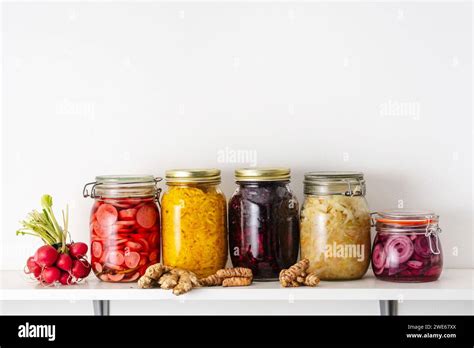
Fermenting vegetables like cabbage (sauerkraut), cucumbers (fermented pickles), or carrots introduces beneficial bacteria that produce lactic acid, which naturally preserves the food and enhances its flavor. Fermentation requires careful attention to hygiene and proper conditions, but it’s a rewarding method that also makes the food safe.
Prioritize Safety Above All Else
When preserving food, especially low-acid vegetables, never compromise on safety. Using untested recipes or shortcuts for low-acid canning can have severe, even deadly, consequences. If you’re unsure about a method, err on the side of caution and opt for freezing or pickling with a tested recipe. Investing in a quality pressure canner is highly recommended for anyone serious about safely preserving a wide range of garden produce.

Embrace the joy of preserving your garden’s bounty, but always do so with knowledge and adherence to established food safety guidelines.