


How to safely pack homemade food for a rural weekend getaway?
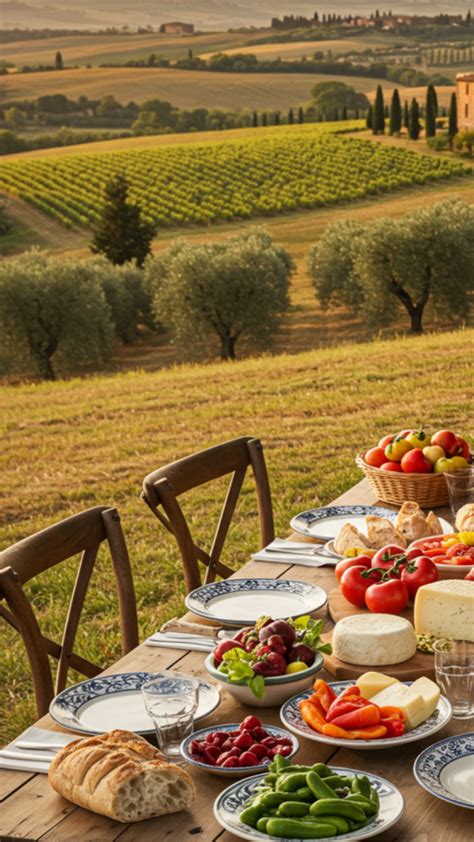
Escaping to the tranquility of a rural weekend getaway often involves the delightful prospect of enjoying homemade meals. There’s nothing quite like sharing a lovingly prepared dish amidst nature’s beauty. However, ensuring these culinary creations remain safe, fresh, and delicious throughout your journey requires careful planning and execution, especially when refrigeration might be limited.
Why Food Safety Matters on the Road
When packing food for a trip, food safety is paramount. Perishable items left at unsafe temperatures for too long can quickly become breeding grounds for harmful bacteria, leading to foodborne illnesses that can ruin your entire getaway. Understanding the “danger zone” (40°F to 140°F or 4°C to 60°C) and taking steps to keep food out of it is crucial for a healthy and enjoyable experience. Proper packing isn’t just about preventing spills; it’s about safeguarding your health and preserving the quality of your food.

Choosing Your Menu Wisely
The success of your packed meals begins with your food choices. Opt for dishes that travel well and are less susceptible to spoilage. Hardier vegetables, fruits with skins, roasted meats, and sturdy sandwiches or wraps are excellent options. Minimize items with high moisture content or those heavily reliant on mayonnaise-based dressings, as these can spoil rapidly in warmer conditions. Consider preparing components separately and assembling them at your destination, such as bringing cooked pasta and a sauce, rather than a pre-mixed pasta salad.
The Right Tools for the Job
Investing in quality packing tools is non-negotiable for safe food transport.
- Coolers: High-performance coolers with good insulation are your best friend. Pre-chill your cooler with ice or freezer packs overnight before packing.
- Insulated Bags: For items needing less intense refrigeration or for separating snacks, insulated bags can be useful.
- Airtight Containers: Use sturdy, leak-proof containers for all your food items to prevent spills and cross-contamination. Glass containers are great for reheating and don’t absorb odors, but plastic is lighter.
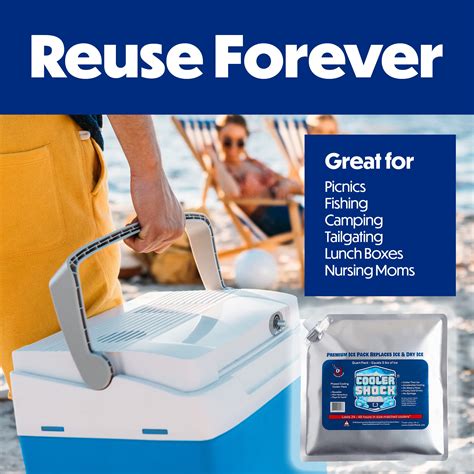
- Ice Packs/Frozen Bottles: A combination of ice packs, frozen water bottles, or even blocks of ice will help maintain cold temperatures for longer than loose ice alone, which melts quickly and creates water.
Master the Art of Packing
Effective packing goes beyond just tossing items into a cooler. Follow these steps for optimal food safety:
- Chill Everything First: Ensure all perishable food items are thoroughly chilled in the refrigerator before packing. Do not pack warm food.
- Layer Smartly: Place frozen items and ice packs at the bottom of the cooler. Lay heavier, more robust items on top of the ice. Delicate items and produce should go towards the top.
- Separate Raw from Cooked: Always pack raw meats, poultry, and fish in separate, sealed containers, ideally on the bottom of the cooler and away from ready-to-eat foods to prevent cross-contamination.
- Fill Gaps: Use smaller ice packs, towels, or even crumpled newspaper to fill any empty spaces in your cooler. A full cooler stays colder longer.
- Double Bagging: For items that might leak, like marinated meats, double-bag them for an extra layer of protection.

On the Road and at Your Destination
Your food safety efforts don’t end once the cooler is packed.
- Keep Coolers Cool: During transit, place coolers in the coolest part of your vehicle, out of direct sunlight. Avoid leaving them in a hot trunk if possible.
- Minimize Opening: Resist the urge to frequently open the cooler, as each time warm air enters, reducing its effectiveness.
- Refrigerate Promptly: Upon arrival at your rural getaway, immediately transfer perishable items to a refrigerator if available. If not, replenish ice packs in your cooler and keep it in a shaded, cool location.
- Monitor Temperatures: For longer trips, consider bringing a small food thermometer to periodically check the temperature inside your cooler.

Additional Tips for a Smooth Trip
Beyond packing, a few extra considerations can enhance your experience:
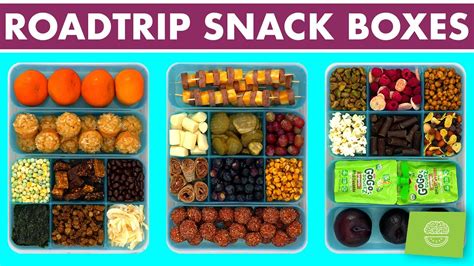
- Portion Control: Pack food in individual or meal-sized portions to minimize leftovers and reduce the need to open large containers frequently.
- Labeling: Clearly label containers with contents and the date packed, especially if you’re bringing a variety of dishes.
- Hydration: Don’t forget plenty of water. Freezing some water bottles can also serve as extra ice packs.
- Hygiene Kit: Bring hand sanitizer, wet wipes, and soap for proper handwashing before handling food, especially if cooking outdoors.
- Waste Management: Plan how you’ll dispose of food waste and packaging responsibly, especially in rural areas where bins may be scarce.
Enjoy Your Culinary Adventure
With thoughtful planning and adherence to these food safety guidelines, your homemade meals will be a highlight of your rural weekend getaway, not a source of worry. Savor the flavors of home, safe in the knowledge that you’ve packed your provisions with care, allowing you to fully immerse yourself in the beauty and tranquility of your destination. Happy travels and happy eating!