How to safely preserve excess garden bounty without a pressure canner?
Embracing the Harvest: Pressure-Canner Free Preservation
The joy of a thriving garden often brings with it a delightful dilemma: what to do with the abundant harvest? While pressure canning is a staple for low-acid foods, many safe and traditional preservation methods don’t require this specialized equipment. For the country living enthusiast looking to stock their pantry, there are plenty of options to keep your homegrown goodness available all year long.
From tangy pickles to frozen berries and sun-dried herbs, preserving your bounty without a pressure canner is both rewarding and accessible. The key to success lies in understanding which methods are safe for specific types of produce, ensuring your preserves are not only delicious but also free from harmful bacteria.
Water Bath Canning: For High-Acid Delights
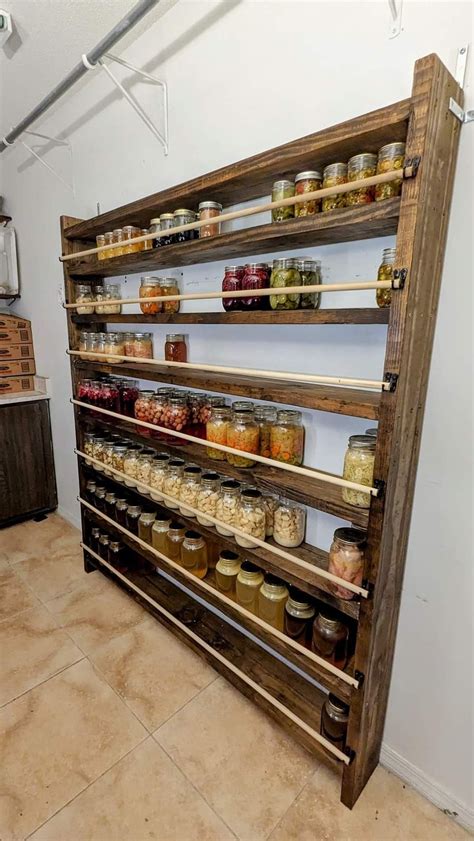
Water bath canning is a fantastic method for preserving high-acid foods like fruits, jams, jellies, pickles, and some tomato products. The high acidity, combined with the heat processing in boiling water, creates an environment hostile to spoilage organisms. You’ll need a large pot with a rack, canning jars, lids, and rings.
- What to preserve: Berries, peaches, apples, tomatoes (with added acid like lemon juice or citric acid), various fruit jams and jellies, cucumber pickles, relishes, and chutneys.
- Safety Tips: Always follow tested recipes from reliable sources (e.g., USDA, university extension offices). Ensure jars are clean and hot, headspace is correct, and processing times are strictly adhered to based on altitude.
Freezing: The Easiest Preservation Method
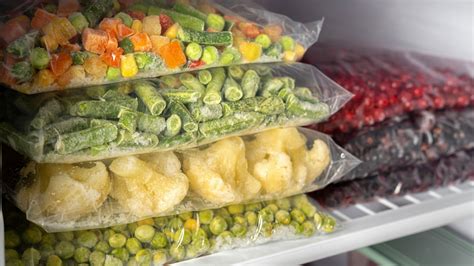
Freezing is arguably the simplest and most versatile way to preserve almost any garden produce. It retains much of the fresh flavor, color, and nutritional value. Most vegetables require a quick blanching before freezing to stop enzyme action that can degrade quality over time.
- What to preserve: Most vegetables (beans, corn, peas, broccoli, spinach), fruits (berries, sliced peaches, mangoes), herbs (chopped in olive oil or water), even prepared meals.
- Safety Tips: Use freezer-safe containers or bags, remove as much air as possible to prevent freezer burn, and label everything with the date. Consume within 8-12 months for best quality.
Dehydrating: Concentrated Flavors and Extended Shelf Life
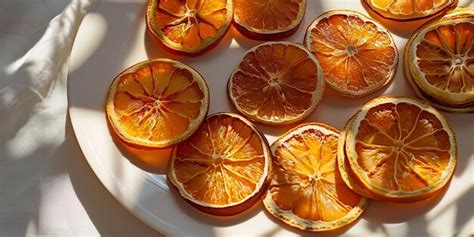
Dehydration removes moisture, which is essential for bacterial growth, resulting in lightweight, shelf-stable foods with concentrated flavors. A food dehydrator is ideal, but you can also use a low oven or even natural sunlight in dry, hot climates.
- What to preserve: Fruit leathers, dried apples, berries, herbs, mushrooms, sun-dried tomatoes, and even jerky (though meat requires specific safety protocols).
- Safety Tips: Ensure food is thoroughly dried before storing. Store in airtight containers in a cool, dark place. Check periodically for moisture or mold.
Fermentation: Probiotic-Rich Preservation
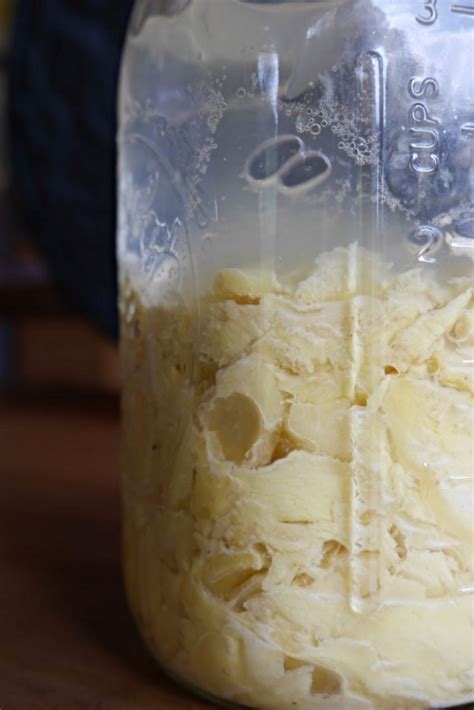
Fermentation is an ancient preservation technique that uses beneficial bacteria to transform fresh produce into probiotic-rich foods. The process creates lactic acid, which acts as a natural preservative and gives fermented foods their characteristic tangy flavor.
- What to preserve: Sauerkraut (cabbage), kimchi (various vegetables), dill pickles (cucumbers), and other lacto-fermented vegetables.
- Safety Tips: Use clean equipment, non-iodized salt, and maintain an anaerobic (oxygen-free) environment. Watch for Kahm yeast (harmless but can affect flavor) or mold (discard if mold is present).
Root Cellaring and Cool Storage: Nature’s Refrigerator
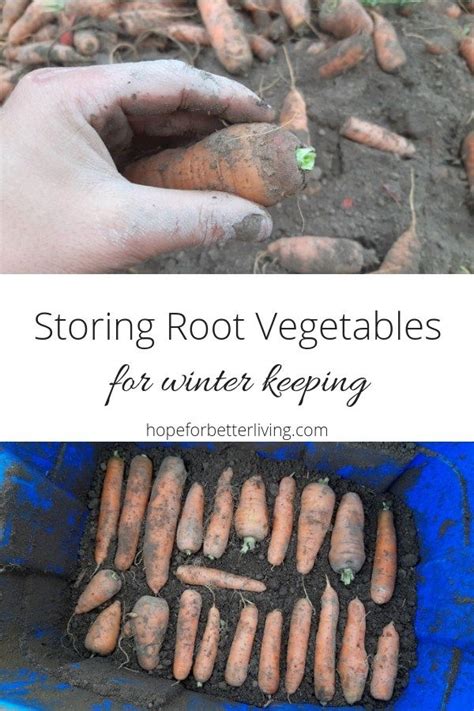
For certain hearty root vegetables and some fruits, a cool, dark, and humid environment can extend their freshness for months without any processing. A traditional root cellar is ideal, but basements, unheated spare rooms, or even buried containers can serve the purpose.
- What to preserve: Potatoes, carrots, beets, apples, cabbage, onions, winter squash, and garlic.
- Safety Tips: Only store blemish-free produce. Ensure proper ventilation and monitor temperature and humidity to prevent spoilage. Separate ethylene-producing fruits (like apples) from ethylene-sensitive vegetables.

Making Vinegars and Oils: Flavor Infusions
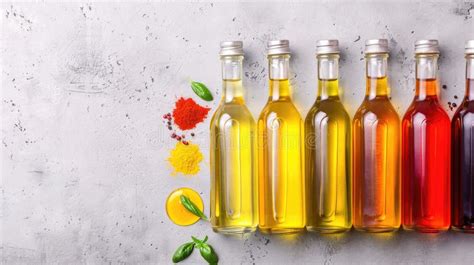
While not for bulk preservation of the produce itself, infusing vinegars and oils with garden herbs, garlic, or chilies is a wonderful way to capture and extend their flavors. These infusions make excellent culinary gifts or additions to your own kitchen.
- What to preserve: Herbal vinegars (rosemary, thyme, basil), garlic-infused oils, chili oils.
- Safety Tips: When making infused oils, especially with fresh garlic or herbs, botulism is a risk if not handled properly. Always refrigerate infused oils and use them within a week, or acidify ingredients (e.g., with vinegar) if storing longer. For safer long-term storage, consider drying herbs and garlic first, or use commercially prepared, shelf-stable infused oils.
Conclusion: Enjoying Your Garden’s Bounty All Year
Preserving your garden harvest without a pressure canner opens up a world of possibilities for enjoying fresh, homegrown flavors throughout the year. By understanding the principles of water bath canning, freezing, dehydrating, fermenting, and cool storage, you can safely and effectively transform your summer abundance into a pantry full of delicious provisions. Embrace these traditional methods and savor the fruits (and vegetables!) of your labor long after the growing season ends.