


How to safely preserve excess garden tomatoes for year-round real food meals?

There’s nothing quite like the taste of a sun-ripened tomato, plucked straight from your garden. But when your plants explode with a bountiful harvest, you might find yourself with more crimson jewels than you can possibly eat fresh. The good news? Preserving these gems is not only possible but also a wonderfully rewarding way to ensure the vibrant flavors of summer nourish you through the colder months, transforming your surplus into delicious, real food meals year-round.
Why Preserve Your Tomato Harvest?
Beyond the simple joy of gardening, preserving your tomatoes offers numerous benefits. It locks in peak flavor and nutrients that diminish in store-bought alternatives. It reduces food waste, saves money on groceries, and empowers you to control the ingredients in your food, free from unwanted additives and preservatives. Imagine enjoying homemade marinara in January made with your own vine-ripened tomatoes!
Essential Safety Considerations for Tomato Preservation
Safety is paramount when preserving food at home. Tomatoes are unique because their acidity can vary. Always follow tested recipes from reliable sources like the USDA National Center for Home Food Preservation. Use proper equipment, understand the differences between water bath and pressure canning, and be meticulous with sanitation. When in doubt, err on the side of caution.
Popular Methods for Preserving Garden Tomatoes
Home Canning: The Classic Approach
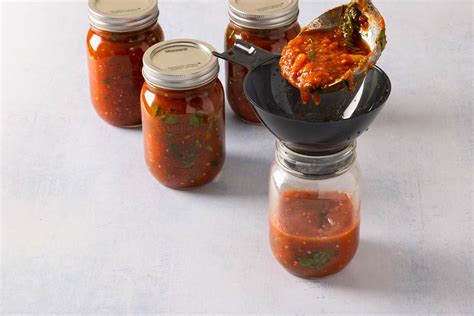
Canning is a time-honored method for long-term tomato storage. For most tomato products (whole, diced, crushed tomatoes, tomato juice), a boiling water bath canner is sufficient, provided you add extra acidity. This is crucial because some modern tomato varieties may not be acidic enough for safe water bath canning on their own. Always add bottled lemon juice (2 tablespoons per quart, 1 tablespoon per pint) or citric acid (½ teaspoon per quart, ¼ teaspoon per pint) to each jar before filling.
For low-acid tomato products like tomato sauces with added vegetables (onions, peppers, mushrooms) or meat sauces, a pressure canner is required to reach temperatures high enough to destroy harmful bacteria. Familiarize yourself with your canner and follow instructions meticulously.
Freezing Tomatoes: Simple and Versatile
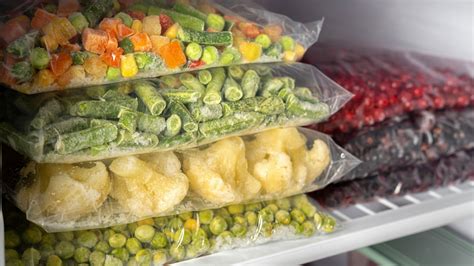
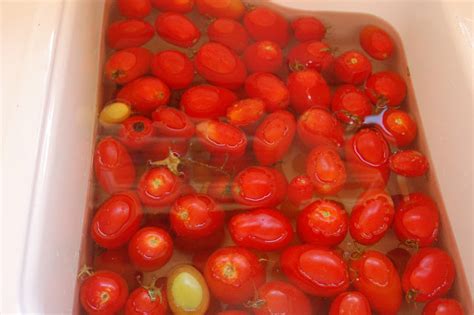
Freezing is arguably the easiest way to preserve tomatoes, especially if you’re new to food preservation. You can freeze them whole, peeled or unpeeled. To freeze whole, simply wash and dry them, then place them on a baking sheet in a single layer until solid. Transfer to freezer bags or containers. When thawed, the skins will slip right off, perfect for sauces, soups, and stews.
Alternatively, you can chop or puree tomatoes and freeze them in freezer-safe bags or even ice cube trays for convenient portions of tomato paste or sauce starter. Freezing retains much of the fresh flavor and nutrients and requires no special equipment beyond a freezer and good containers.
Dehydrating Tomatoes: Concentrated Flavor Power
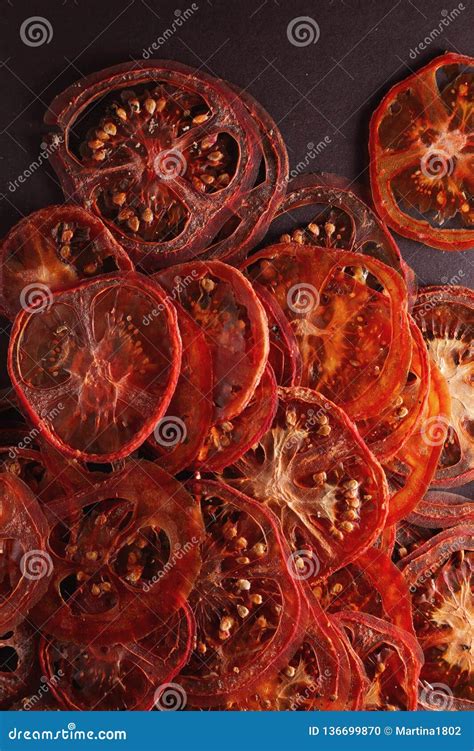
Dehydrating tomatoes transforms them into intensely flavored sun-dried style delights. This method removes water, concentrating their natural sweetness and umami. You can use a food dehydrator or even your oven on its lowest setting with the door ajar. Slice tomatoes uniformly, arrange them on trays, and dry until leathery but still pliable. Store dried tomatoes in airtight containers in a cool, dark place or freeze them for extended shelf life. They are fantastic in salads, pasta dishes, or rehydrated for sauces.
Cooking into Sauces, Pastes, and Salsas
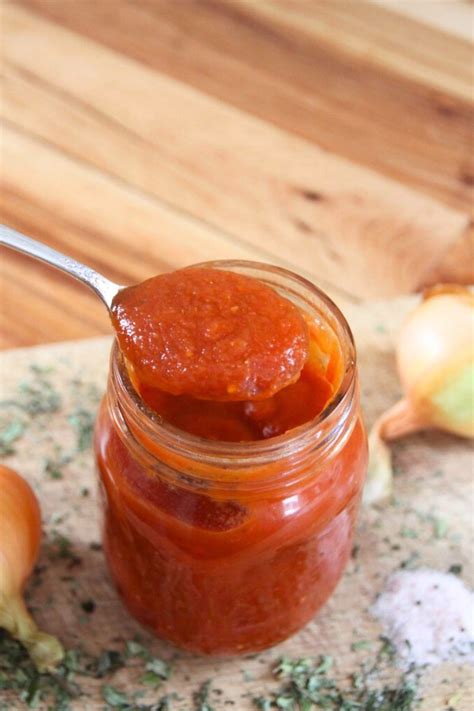
Before preserving, you can also transform your fresh tomatoes into ready-to-eat staples. Cook down large batches of tomatoes into rich marinara sauce, hearty chili base, or concentrated tomato paste. For salsa, follow tested recipes to ensure proper acidity for canning. These prepared products can then be safely canned (following acidity rules for salsa) or frozen, offering a shortcut to delicious meals later on.
Tips for Success and Enjoying Your Preserves
- Label Everything: Include the date and contents. “Mystery jar” isn’t fun later!
- Proper Storage: Store canned goods in a cool, dark place. Frozen items should be in airtight, freezer-safe containers.
- Recipe Inspiration: Plan meals around your preserved tomatoes. Think hearty soups, vibrant pastas, robust chilis, and flavorful curries.
- Batch Processing: Don’t feel overwhelmed. Process tomatoes in smaller batches as they ripen, rather than waiting for one massive harvest day.
Preserving your excess garden tomatoes is a deeply satisfying process that connects you more closely to your food source. With a little planning and attention to safety, you can enjoy the incredible taste and nutritional benefits of your homegrown harvest throughout the entire year, enriching your real food meals with the true essence of summer.