
How to safely preserve garden tomato surplus for winter pantry use?
Turning a Bumper Crop into Winter Delights
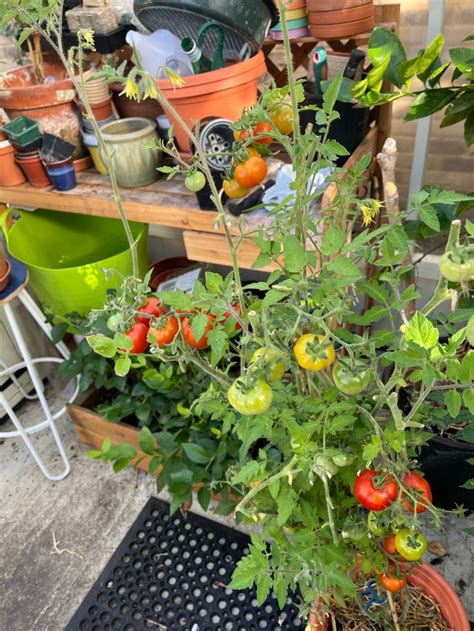
There’s nothing quite like the satisfaction of harvesting a bountiful crop of sun-ripened tomatoes from your garden. However, the sheer volume can quickly become overwhelming. The good news is that with a few tried-and-true preservation methods, you can safely store that summer sweetness to enjoy long after the garden beds are bare. Proper preservation not only reduces waste but also provides a pantry stocked with wholesome, homemade ingredients for winter stews, sauces, and meals.
The Art of Canning Tomatoes: A Time-Honored Tradition
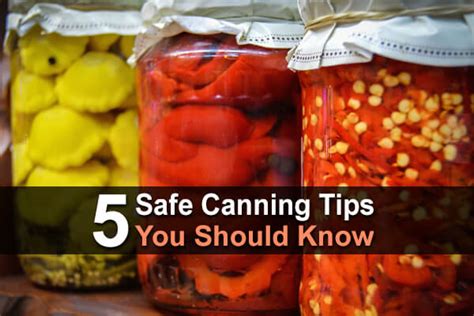
Canning is perhaps the most classic way to preserve tomatoes, allowing them to be stored at room temperature for extended periods. Given their high acidity, most tomato varieties can be safely processed in a boiling water canner. This method is ideal for whole peeled tomatoes, crushed tomatoes, tomato sauce, and salsa. Always start with fresh, unblemished tomatoes and use clean, sterilized jars and lids.
For whole or crushed tomatoes, simply wash, core, and, if desired, peel your tomatoes (a quick blanch in boiling water makes peeling easy). Pack them tightly into hot jars, adding a tablespoon of lemon juice or citric acid per quart jar (or half a tablespoon per pint) to ensure adequate acidity for safe water bath canning. Fill with hot tomato juice or water, leaving half an inch of headspace, then process according to USDA guidelines for your altitude. For low-acid tomato products or those mixed with low-acid vegetables, pressure canning is essential to prevent spoilage and ensure safety.

Freezing Tomatoes: Simplicity and Flavor Preservation
Freezing is arguably the simplest method for preserving tomatoes, requiring minimal equipment and retaining much of their fresh flavor. You can freeze whole tomatoes, diced tomatoes, or tomato purée. For whole tomatoes, simply wash and dry them, then place them on a baking sheet in a single layer to freeze solid. Once frozen, transfer them to freezer-safe bags or containers. The skins will slip off easily once thawed, making them perfect for sauces or soups.
Alternatively, you can blanch, peel, and dice tomatoes before freezing. For purée, cook down your tomatoes, then blend and freeze in portions. Freezing allows for quick access to garden-fresh flavor for months to come, making it an excellent option for those new to food preservation or with limited time.

Dehydrating and Making Paste: Concentrated Tomato Goodness
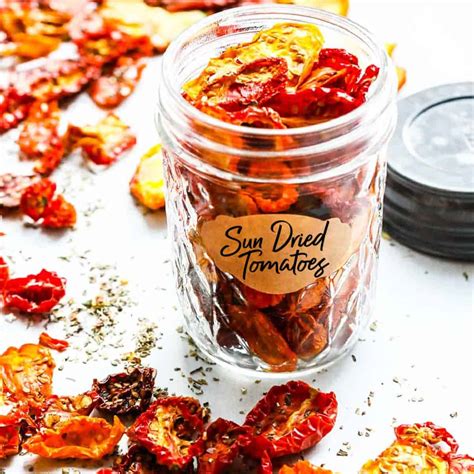
Dehydrating tomatoes concentrates their flavor beautifully, yielding chewy, sweet-tart sun-dried tomatoes (or oven/dehydrator-dried). Slice tomatoes about a quarter-inch thick, arrange them on dehydrator trays, and dry until leathery but pliable. Store dried tomatoes in airtight containers or vacuum-sealed bags. They make fantastic additions to salads, pasta dishes, or enjoyed as a snack.
Making homemade tomato paste is another rewarding way to preserve a surplus. This involves slow-cooking tomatoes until almost all the water has evaporated, resulting in a thick, intensely flavored concentrate. This paste can then be frozen in ice cube trays or small portions, or safely canned if acidified and processed correctly.
Safety First: Essential Practices for Home Preservation
Regardless of the method you choose, food safety should always be your top priority. Use only fresh, firm tomatoes free from blemishes. Follow tested recipes from reputable sources like the National Center for Home Food Preservation (NCHFP) or university extension offices. Always sterilize jars and equipment, ensure proper seals, and store preserved foods in cool, dark places. Labeling your jars with contents and dates will help you keep track of your pantry stock and ensure you consume items within their optimal shelf life.
Embracing these preservation techniques will empower you to transform a fleeting summer bounty into a year-round culinary resource, enriching your winter pantry with the true taste of your garden’s hard work and care.