




How to safely preserve summer garden produce without a pressure canner?
The arrival of summer brings with it the glorious abundance of a thriving garden. Tomatoes burst on the vine, cucumbers ripen by the dozen, and beans seem to multiply overnight. While a pressure canner is invaluable for low-acid foods, it’s not the only tool in the homesteader’s arsenal for preserving this seasonal bounty. Fortunately, there are many safe, delicious, and effective ways to extend your harvest well into the colder months without ever needing one. From traditional methods to modern conveniences, let’s explore how you can keep your pantry stocked with homegrown goodness.
Water Bath Canning: Your High-Acid Ally
For high-acid foods like fruits, jams, jellies, pickles, tomatoes (acidified with lemon juice or vinegar), and salsas, water bath canning is a safe and reliable method. This technique involves submerging sealed jars in boiling water for a specified period, creating a vacuum seal and killing spoilage organisms.
To safely water bath can, you’ll need a large pot with a rack (or a dedicated water bath canner), canning jars with new lids and bands, and a jar lifter. Always use recipes from trusted sources like university extensions or reputable canning guides, as processing times and acidification levels are crucial for safety.

Freezing: The Ultimate Convenience
Freezing is arguably the easiest and most versatile method for preserving almost any type of produce. It retains much of the fresh flavor, color, and nutritional value of your harvest. Most vegetables benefit from a quick blanching before freezing to halt enzyme action, which can otherwise lead to loss of flavor, color, and texture over time. Fruits, on the other hand, are often frozen raw, either whole, sliced, or as purées.
Ensure you use freezer-safe bags or containers, remove as much air as possible, and label clearly with the contents and date. Freezing in individual portions makes it easy to grab just what you need for future meals.

Dehydrating: Concentrated Flavors and Light Storage
Dehydration involves removing moisture from food, inhibiting microbial growth and enzyme activity. This method yields lightweight, compact ingredients perfect for snacking, backpacking, or adding to soups and stews. An electric dehydrator offers consistent results, but you can also use an oven on its lowest setting or even sun-dry in hot, dry climates.
Excellent candidates for dehydrating include herbs, fruit slices (apples, bananas, berries), tomatoes, mushrooms, and even sliced zucchini. Once thoroughly dried, store your produce in airtight containers in a cool, dark place. Remember that the drying process concentrates flavors, so use dried ingredients sparingly until you get a feel for their potency.
Fermentation: Ancient Art, Modern Health Benefits
Fermentation is a time-honored preservation technique that uses beneficial bacteria to transform fresh produce into probiotic-rich foods. Think sauerkraut, kimchi, and fermented pickles. This process not only preserves food but also enhances its nutritional value and creates unique, tangy flavors.
For most home fermentation, all you need are vegetables, salt, water (for brines), and clean jars. The key is to create an anaerobic environment where lactic acid bacteria can thrive and unwanted microbes cannot. Always ensure your equipment is clean and follow reputable recipes to ensure safe and delicious results.
Root Cellaring and Cool Storage: Simple and Effective
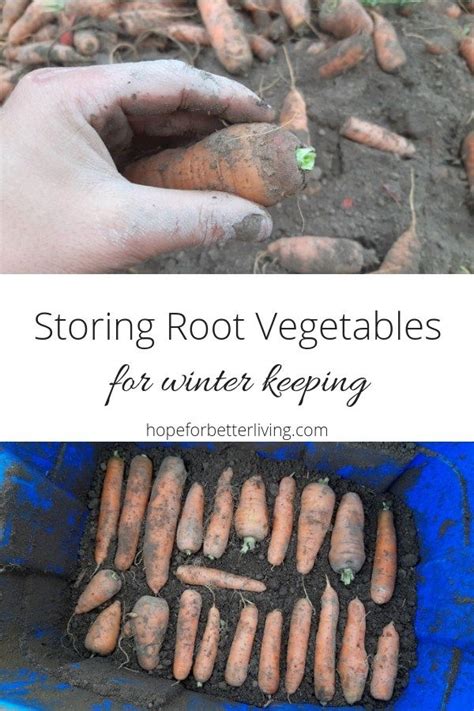
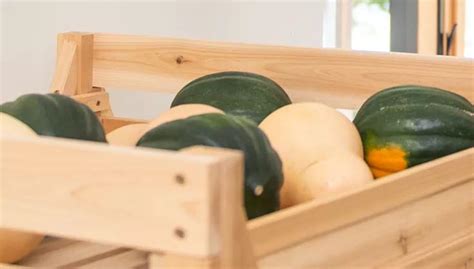
For certain types of produce, sometimes the simplest method is the best. Many root vegetables, squash, and some fruits can be stored for extended periods in a cool, dark, and humid environment – essentially, a modern interpretation of a root cellar. This often means a cool basement, an unheated pantry, or even a well-ventilated garage.
Potatoes, carrots, beets, onions, winter squash, and apples are all excellent candidates for cool storage. Proper curing (for squash and onions) and careful selection of blemish-free produce are crucial for successful long-term storage. Ensure good air circulation and check regularly for any signs of spoilage to prevent it from spreading.
Conclusion
You don’t need a pressure canner to make the most of your summer garden. By exploring methods like water bath canning, freezing, dehydrating, fermenting, and cool storage, you can safely preserve a diverse array of fruits and vegetables. Each method offers unique advantages in terms of flavor, texture, and storage. Experiment with these techniques to find what works best for your produce, your lifestyle, and your pantry, ensuring the delicious taste of summer can be enjoyed all year long.