
How to safely preserve your garden’s tomato harvest for winter?

There’s nothing quite like the taste of a sun-ripened tomato fresh from your garden. As summer draws to a close and your plants are still overflowing with delicious fruit, the thought of those vibrant flavors disappearing until next year can be disheartening. Thankfully, preserving your tomato harvest is a rewarding way to capture that summer sunshine and enjoy it throughout the colder months. With the right techniques and safety precautions, you can ensure a steady supply of garden-fresh tomatoes for all your winter culinary needs.
Why Preserve Your Tomato Harvest?
Beyond the simple joy of eating your own homegrown produce, preserving tomatoes offers several practical benefits. It allows you to reduce food waste by utilizing your entire bounty, saves money compared to buying store-bought alternatives, and provides a healthier option as you control the ingredients without added preservatives or excessive sodium. Plus, the satisfaction of opening a jar of your own canned tomatoes on a snowy day is unparalleled!
Essential Steps Before You Begin
Before diving into any preservation method, proper preparation is key. Start by selecting only the freshest, blemish-free tomatoes. Overripe or damaged tomatoes can compromise the quality and safety of your preserved goods. Wash them thoroughly under cool running water, removing any dirt or debris. Depending on the method, you might need to blanch and peel them, core them, or chop them into desired sizes. Gather all your necessary equipment, ensuring it’s clean and sterilized according to guidelines.

Popular Preservation Methods Explained
1. Canning Tomatoes
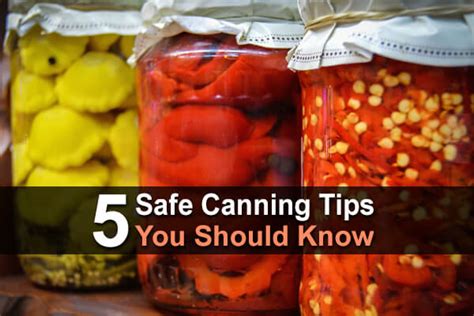
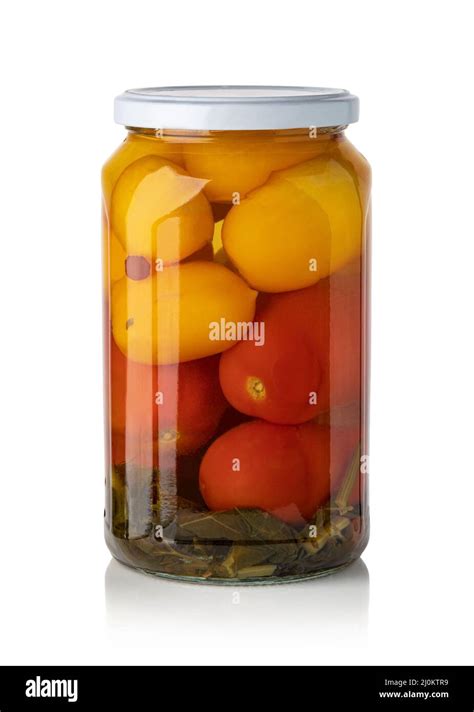
Canning is arguably the most traditional and versatile method for preserving tomatoes. It involves processing tomatoes in sealed jars under heat to create a vacuum seal, preventing spoilage. Tomatoes can be canned whole, crushed, diced, or as sauces and purées. Due to their relatively low acidity, tomatoes must be processed using a water bath canner with added acid (lemon juice or citric acid) or, for extra safety, a pressure canner, especially for tomato sauces or mixtures with low-acid vegetables. Always follow tested recipes from reliable sources like the USDA or university extension offices.
2. Freezing Tomatoes
Freezing is a simple and quick method that retains much of the fresh flavor and nutritional value of tomatoes. You can freeze whole tomatoes (often blanched and peeled first), diced tomatoes, or tomato purée. Whole frozen tomatoes are excellent for sauces and soups later; simply remove them from the freezer, run under warm water, and the skin will slip right off. Diced or pureed tomatoes can be portioned into freezer-safe bags or containers. Be sure to remove as much air as possible from packaging to prevent freezer burn.

3. Drying Tomatoes
Drying tomatoes concentrates their flavor into intensely sweet and tangy morsels perfect for salads, pasta dishes, or snacking. This can be done in a food dehydrator or, traditionally, by sun-drying (in a clean, dry, and warm environment). Slice tomatoes thinly, arrange them in a single layer, and dry until leathery but still pliable. Store dried tomatoes in airtight containers at room temperature or packed in olive oil in the refrigerator.
4. Making Sauces and Pastes
Transforming your tomatoes into sauces, pastes, or ketchups before preservation is another excellent option. This method involves cooking down the tomatoes, often with herbs and spices, to achieve your desired consistency. These cooked products can then be safely canned using a water bath or pressure canner (depending on the recipe’s acidity and ingredients) or frozen in portions. This is a great way to have ready-to-use bases for future meals.
Safety First: Critical Preservation Tips
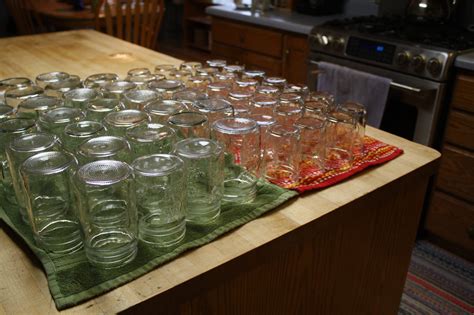
Regardless of the method you choose, food safety should always be your top priority. For canning, always use tested recipes, adjust for altitude, and ensure proper sterilization of jars and lids. Never deviate from processing times or ingredient quantities in canning recipes. For freezing, ensure tomatoes are cooled completely before freezing and stored in airtight containers to prevent spoilage and freezer burn. Proper labeling with dates is also essential for all preserved foods, allowing you to use them within their recommended shelf life.
Choosing the Right Tomatoes for Preservation
While most tomatoes can be preserved, some varieties are better suited for specific methods:
- Paste Tomatoes (e.g., Roma, San Marzano): These are ideal for sauces, pastes, and canning whole or crushed due to their meaty texture, fewer seeds, and lower water content.
- Slicing Tomatoes (e.g., Beefsteak, Better Boy): While delicious fresh, their higher water content means they might become watery when canned or frozen whole, but they can still be excellent for making sauces or purées.
- Cherry Tomatoes: Great for freezing whole or drying, offering sweet bursts of flavor.
Enjoying Your Winter Bounty
Preserving your garden’s tomato harvest is a truly satisfying endeavor that extends the taste of summer well into the colder months. Whether you opt for the traditional method of canning, the simplicity of freezing, or the concentrated flavors of drying, you’ll be well-prepared for delicious meals all winter long. Experiment with different techniques to find what works best for you and your family, and relish the experience of enjoying your homegrown tomatoes year-round. Happy preserving!