How to safely preserve your garden’s tomato harvest simply?
The bounty of a flourishing tomato patch is one of summer’s greatest joys. However, as the harvest peaks, many gardeners find themselves with more ripe, juicy tomatoes than they can possibly eat fresh. Preserving this abundance allows you to savor the taste of summer sunshine long into the colder months. Far from being a complicated chore, many preservation techniques are wonderfully simple and accessible, even for beginners. Let’s explore some of the easiest and safest ways to keep your garden’s red gold at its best.
Why Preserve Your Tomato Harvest?
Beyond the simple pleasure of enjoying your own produce year-round, preserving tomatoes offers several benefits. It reduces food waste, saves money on groceries, and allows you to control the ingredients in your food, avoiding unwanted additives found in store-bought products. Plus, there’s immense satisfaction in opening a jar of homemade salsa or a bag of frozen diced tomatoes, knowing they came straight from your own backyard.
Method 1: Freezing Tomatoes – The Easiest Way
Freezing is arguably the simplest method for preserving tomatoes, requiring minimal equipment and effort. It’s ideal for those who want to process large quantities quickly.
Whole or Halved Tomatoes:
- Wash your tomatoes thoroughly and remove the cores.
- For cherry tomatoes, freeze whole. For larger varieties, you can freeze them whole, halved, or quartered.
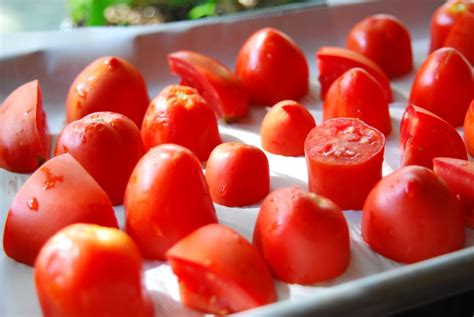
- Place tomatoes in a single layer on a baking sheet and freeze until solid (this prevents them from sticking together).
- Once frozen, transfer the tomatoes to freezer-safe bags or containers. Label with the date.
When you’re ready to use them, simply run frozen tomatoes under warm water for a few seconds, and the skins will slip right off! They’re perfect for sauces, soups, and stews.
Diced or Puréed Tomatoes:
- Blanch tomatoes in boiling water for 30-60 seconds, then immediately transfer to an ice bath. This makes peeling easy.
- Peel, core, and chop or purée the tomatoes to your desired consistency.
- Portion into freezer-safe containers, ice cube trays, or freezer bags. If using bags, lay them flat to freeze for easier storage.
- Label and freeze.

Method 2: Water Bath Canning for Crushed Tomatoes or Sauce
Canning offers shelf-stable storage and is perfect for creating ready-to-use sauces, purees, or diced tomatoes. Tomatoes are high-acid, making them suitable for the simpler water bath canning method, but always follow tested recipes.
Basic Steps for Water Bath Canning:
- Prepare Your Tomatoes: Wash, core, and chop tomatoes. You can peel them by blanching if desired.
- Cook Down: Gently simmer chopped tomatoes in a large pot until they break down and reach your desired consistency for sauce or crushed tomatoes. Add a little lemon juice or citric acid to each jar to ensure proper acidity for safe water bath canning (check a reliable canning guide for exact measurements per jar size).
- Prepare Jars and Lids: Wash glass canning jars and lids thoroughly. Keep jars hot until filling to prevent thermal shock.
- Fill Jars: Ladle hot tomato mixture into hot jars, leaving 1/2 inch headspace. Remove air bubbles with a non-metallic utensil, then wipe rims clean.
- Seal: Place lids on jars and screw bands finger-tight.
- Process: Carefully place filled jars into a boiling water canner, ensuring jars are covered by at least 1-2 inches of water. Bring to a rolling boil and process for the time specified by your altitude and recipe (e.g., 35-45 minutes for pints, longer for quarts).
- Cool: Remove jars from the canner and let them cool undisturbed on a towel for 12-24 hours. Check seals; lids should be concave and not flex when pressed.

Method 3: Dehydrating Tomatoes for Sun-Dried Flavors
Dehydrating concentrates tomato flavor into intensely sweet and chewy morsels, perfect for snacks, salads, or rehydrating for sauces. A food dehydrator makes this process easy and reliable, but you can also use an oven on its lowest setting.
Dehydrator Method:
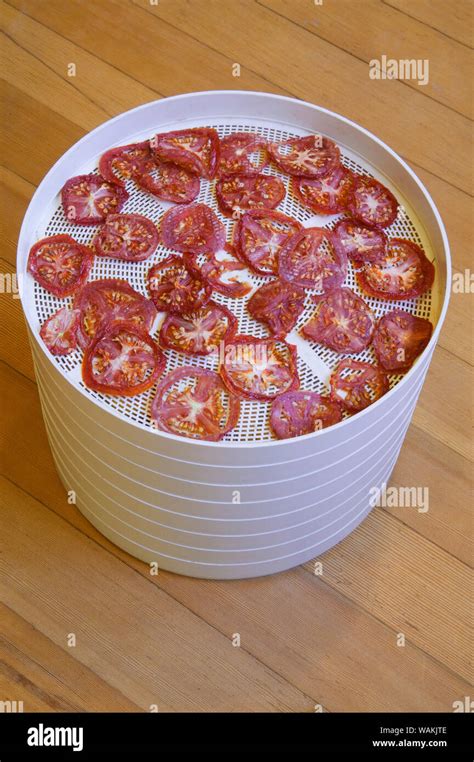
- Prepare Tomatoes: Wash tomatoes and slice them 1/4 to 1/2 inch thick. Smaller varieties like Roma tomatoes work well, cut lengthwise.
- Arrange: Place tomato slices in a single layer on dehydrator trays, ensuring good airflow between pieces.
- Dehydrate: Set your dehydrator to 125-135°F (52-57°C). Dehydration time can vary widely, from 6-12 hours or more, depending on tomato thickness and moisture content.
- Check for Doneness: Tomatoes are done when they are leathery and pliable, not brittle, but with no moisture remaining when squeezed.
- Cool and Store: Allow dried tomatoes to cool completely before storing them in airtight containers. For longer storage, you can freeze them or pack them in oil with herbs (refrigerate oil-packed tomatoes).
Other Simple Ideas: Roasting and Sauces
For a rich, concentrated flavor, consider roasting your tomatoes before freezing or canning them. Simply halve or quarter tomatoes, toss with olive oil, salt, and pepper, and roast at 375°F (190°C) until softened and slightly caramelized. These roasted tomatoes can then be frozen, puréed into sauce, or used in canning recipes.
Making a large batch of simple tomato sauce, freezing it in meal-sized portions, or canning it using safe, tested recipes is another excellent way to put your harvest to good use. This allows you to create a foundation for countless meals throughout the year.
Enjoying Your Preserved Tomatoes Year-Round
With these simple preservation techniques, your garden’s tomato bounty can provide delicious meals and a taste of summer throughout the year. Whether you opt for the quick convenience of freezing, the shelf-stable security of canning, or the intense flavor of dehydrating, you’ll be well-prepared to enjoy the fruits of your labor long after the last fresh tomato has been picked. Happy preserving!