How to safely store abundant garden produce without electricity for long-term use?

In a world increasingly reliant on electricity, the art of preserving abundant garden produce without power is a valuable skill for any country dweller or homesteader. Whether preparing for potential outages, aiming for greater self-sufficiency, or simply managing an overwhelming harvest, traditional non-electric storage methods offer robust solutions for long-term food security. These time-honored techniques not only save energy but often enhance flavor and nutritional value.
Embracing the Earth: Root Cellars and Cold Storage
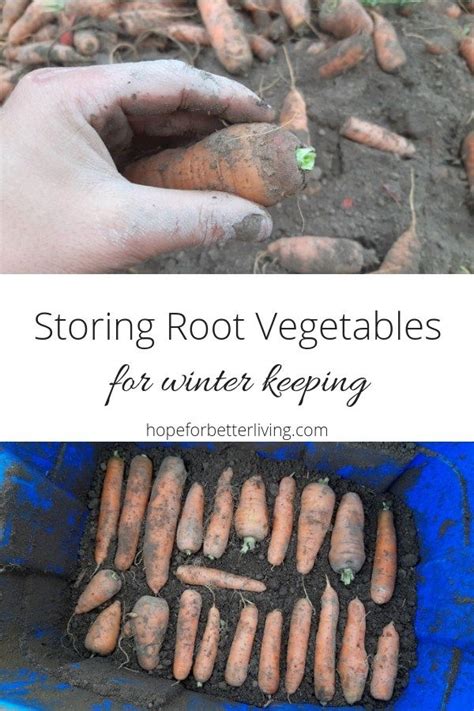
The root cellar is perhaps the most iconic non-electric storage method, leveraging the stable, cool temperatures of the earth to preserve a wide array of produce. A well-designed root cellar maintains temperatures between 35-50°F (1-10°C) and high humidity, ideal for keeping many root vegetables, fruits, and even some leafy greens fresh for months. Beyond dedicated underground structures, unheated basements, crawl spaces, or even insulated pits in the ground can serve similar functions.

For optimal storage, separate produce types. Apples emit ethylene gas, which can spoil other vegetables, so store them in a separate cool area. Potatoes, carrots, beets, turnips, and parsnips thrive in damp, cool conditions. Ensure good air circulation and check regularly for any signs of spoilage to prevent it from spreading.
Harnessing Sun and Air: Drying and Dehydration
Drying is one of the oldest and simplest forms of food preservation, effectively removing moisture to inhibit microbial growth. While electric dehydrators are convenient, sun drying, air drying, and even oven drying on very low settings are viable electricity-free alternatives. Fruits like apples, berries, and peaches, along with herbs, peppers, and even some vegetables like tomatoes, can be successfully dried.
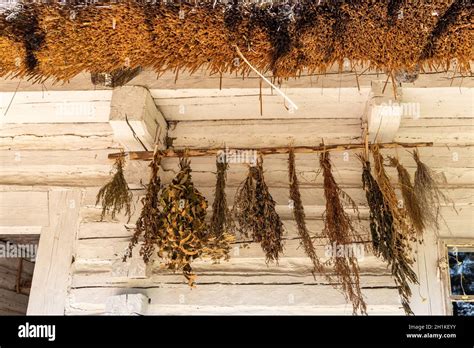
Sun drying requires several days of hot, dry, sunny weather. Foods are spread on screens or racks and covered with cheesecloth to protect from insects. Air drying is excellent for herbs, which can be bundled and hung in a well-ventilated, dark, dry room. For larger produce, stringing slices on a line in a similar environment can also work. Once thoroughly dry, store produce in airtight containers in a cool, dark place.
The Power of Preservation: Canning and Jarring
While the initial process of canning (water bath or pressure canning) requires heat, the stored jars themselves need no electricity for preservation. Properly sealed jars create a vacuum, preventing spoilage and allowing fruits, vegetables, jams, jellies, and even pickles to be stored at room temperature for years. This method is crucial for preserving items like green beans, corn, tomatoes, and various fruit preserves.
Safety is paramount with canning. Always follow tested recipes and guidelines from reputable sources like the USDA. Water bath canning is suitable for high-acid foods (fruits, pickles, tomatoes with added acid), while pressure canning is essential for low-acid foods (most vegetables, meats, poultry). Stored in a cool, dark pantry, canned goods offer incredible shelf stability.

Cultivating Flavor: Fermentation
Fermentation is an ancient and delicious method that uses beneficial bacteria to transform fresh produce into nutrient-rich, probiotic-packed foods. Lactic acid fermentation, common for vegetables, creates an acidic environment that preserves the food while imparting unique flavors. Sauerkraut, kimchi, pickles, and fermented carrots are excellent examples.
The process is relatively simple: vegetables are chopped or shredded, combined with salt and often spices, then submerged in their own brine or a salt solution in an airtight crock or jar. After a period of fermentation at room temperature, the finished product can be moved to a cool cellar or pantry for extended storage, often lasting months without refrigeration. Fermented foods not only last longer but also offer significant health benefits.

Other Traditional Techniques: Salting and Curing
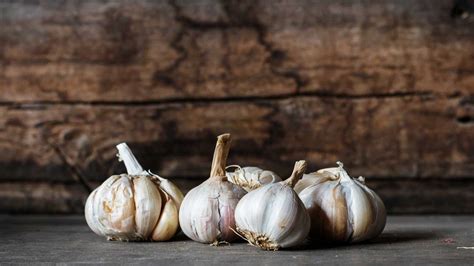
Beyond the primary methods, other traditional techniques offer niche solutions. Salting, for instance, can preserve certain vegetables by drawing out moisture and inhibiting microbial growth, similar in principle to fermentation but often using higher salt concentrations. Curing, particularly for onions, garlic, and winter squash, involves allowing the outer layers to harden in a warm, dry, well-ventilated space post-harvest. This creates a protective skin that extends their shelf life significantly, allowing them to be stored in cool, dry conditions for months.
Conclusion: A Path to Self-Sufficiency
Mastering non-electric food preservation methods is more than just a survival skill; it’s a return to sustainable practices that connect us more deeply to our food sources. By embracing techniques like root cellaring, drying, canning, and fermenting, you can transform your garden’s seasonal abundance into a year-round pantry, ensuring food security, reducing waste, and savoring the true flavors of your harvest, all without relying on a constant power supply. These methods empower you with resilience and resourcefulness, truly embodying the spirit of country living.