



How to safely store homegrown produce long-term without refrigeration?
The bounty of a successful harvest is one of country living’s greatest joys, but the question of how to preserve that abundance long-term, especially without relying on refrigeration, can be a significant challenge. Fortunately, our ancestors perfected numerous techniques for keeping produce fresh for months, using nothing more than natural conditions and clever design. By understanding the specific needs of different crops, you can significantly extend the life of your homegrown vegetables and fruits, ensuring your pantry remains stocked long after the growing season ends.
The Principles of Non-Refrigerated Storage
Successful long-term storage without refrigeration hinges on controlling a few key environmental factors: temperature, humidity, light, and ventilation. Most produce thrives in conditions that mimic its natural dormant state. A cool environment slows down respiration and spoilage, darkness prevents sprouting and nutrient degradation, and carefully managed humidity levels prevent either drying out or rotting. Good airflow is also crucial to prevent the buildup of ethylene gas, which accelerates ripening and spoilage, and to deter mold growth.
Before storing, ensure your produce is mature, undamaged, and free from diseases. Any bruised or cut items should be used immediately or composted, as they will quickly spoil and potentially contaminate the rest of your stash. Understanding these basic principles is the first step toward a well-stocked, refrigeration-free pantry.
Embracing the Root Cellar Method
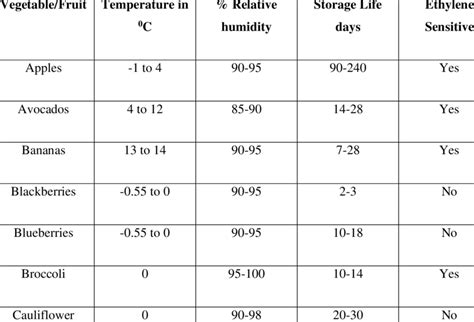
The root cellar is perhaps the most iconic and effective method for non-refrigerated storage. Traditionally, these are underground or partially underground structures designed to maintain a consistent cool temperature (typically 35-50°F or 2-10°C) and high humidity (around 85-95% relative humidity). This environment is perfect for root vegetables like potatoes, carrots, beets, turnips, and parsnips, as well as cabbage, celery, and even some varieties of apples.
A true root cellar provides natural insulation from fluctuating outdoor temperatures and keeps light at bay. If you don’t have a dedicated root cellar, an unheated basement corner, a well-insulated garage, or even an old chest freezer buried in the ground can serve a similar purpose. The key is to create a stable, cool, dark, and humid microclimate where your produce can enter a state of dormancy, significantly prolonging its freshness.

Curing and Drying for Extended Shelf Life
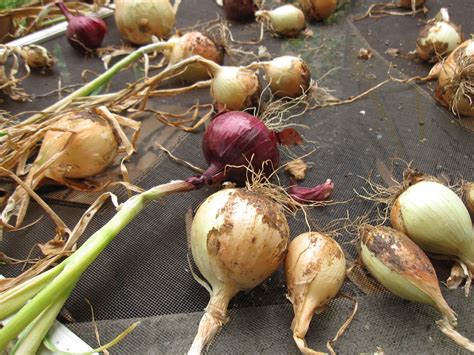
Not all produce is destined for a damp root cellar. Some items require a period of curing to prepare them for long-term storage, while others benefit greatly from drying. Curing is a process where the outer skin or rind of certain vegetables is allowed to toughen and dry out, forming a protective barrier that prevents moisture loss and pathogen entry. Onions, garlic, pumpkins, and winter squash are excellent candidates for curing.
For onions and garlic, cure them in a warm, dry, well-ventilated area for 2-4 weeks until their skins are papery and dry. Winter squash and pumpkins benefit from curing in a warm, sunny spot for about 10-14 days before moving them to a cool, dry storage area. Drying, on the other hand, involves removing almost all moisture content from produce, making it shelf-stable. Herbs, beans, hot peppers, and even thin slices of apples can be air-dried or dried in a dehydrator, then stored in airtight containers.
Alternative Storage: Sand, Sawdust, and Clamps
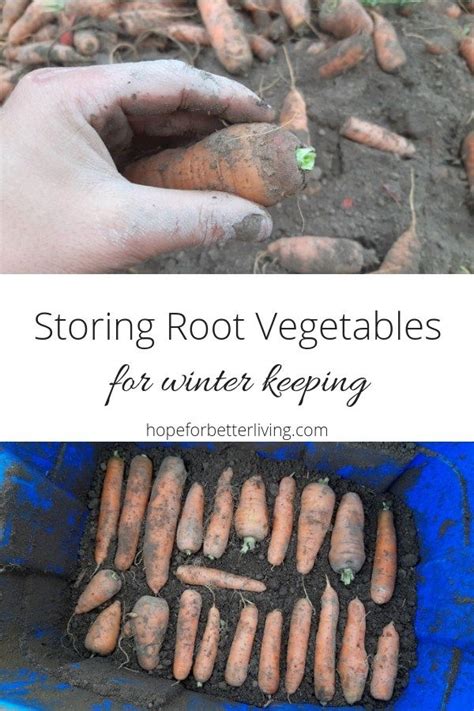
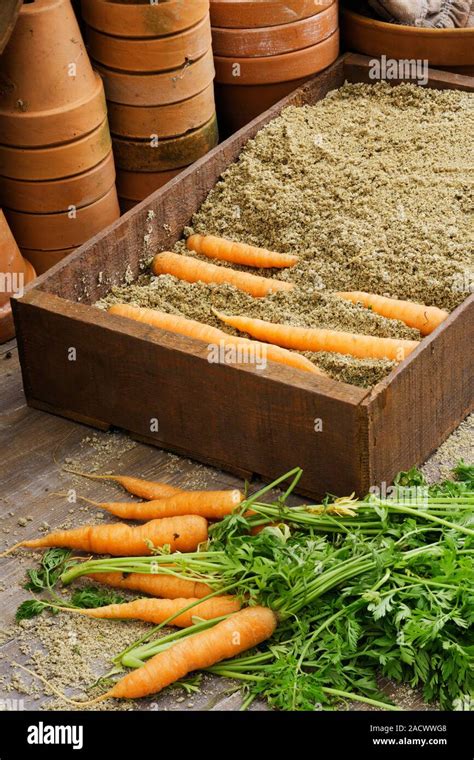
Beyond root cellars, various ingenious methods exist for specific types of produce. Storing root vegetables like carrots, beets, and parsnips in layers of moist sand or sawdust can extend their life dramatically. The medium provides humidity, preventing the vegetables from shriveling, and keeps them separated, reducing the spread of rot. Simply layer the produce in a box or bin, ensuring no two pieces touch, with a few inches of damp (not wet) sand or sawdust between layers.
For larger quantities in colder climates, outdoor clamps or mounds can be constructed. These involve burying produce in a pile, covered with layers of straw, soil, and sometimes a tarp, creating a protected, insulated environment that stays cool through the winter. This method is particularly effective for potatoes, carrots, and cabbage, mimicking a natural underground storage. While requiring more effort, it can be a highly efficient way to preserve a substantial harvest.
Specific Produce Storage Guidelines
Potatoes and Sweet Potatoes
Store potatoes in a dark, cool (40-50°F / 4-10°C), humid place. Darkness prevents greening and sprouting. Sweet potatoes prefer slightly warmer conditions (55-60°F / 13-16°C) and also require a dark, humid environment.
Onions and Garlic
After curing, store in a cool, dry, well-ventilated spot (35-50°F / 2-10°C, 60-70% humidity). Hang them in mesh bags or braid garlic to allow maximum air circulation.
Winter Squash and Pumpkins
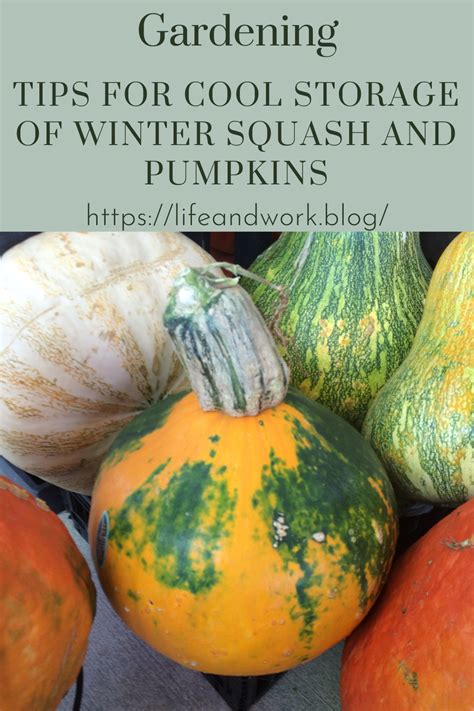
Cure first, then store in a cool, dry place (50-60°F / 10-16°C, 50-70% humidity). Avoid storing directly on concrete; place them on shelves or straw to ensure airflow.
Apples
Store apples in a cool (30-40°F / -1 to 4°C), humid environment, ideally individually wrapped in newspaper to prevent the spread of rot and to contain ethylene gas.
Key Tips for Success
- Harvest at Peak Maturity: Immature produce won’t store well, and overripe produce is already on its way out.
- Handle Gently: Bruises are entry points for spoilage organisms.
- Inspect Regularly: Remove any signs of spoilage immediately to prevent it from spreading.
- Ensure Good Airflow: Never store produce in airtight containers unless specifically dried or preserved otherwise.
- Avoid Ethylene Producers: Keep ethylene-producing fruits like apples and ripening tomatoes separate from other vegetables if they are sensitive to the gas (e.g., carrots, potatoes, leafy greens).
Mastering these traditional storage methods not only reduces your reliance on electricity but also deepens your connection to the rhythms of nature and the food you grow. By safely storing your homegrown produce long-term without refrigeration, you embrace a sustainable lifestyle, enjoy the fruits (and vegetables) of your labor for months, and build resilience in your household food supply. It’s a return to practical wisdom that benefits both your pantry and your peace of mind.