




How to safely store root vegetables without a root cellar?
For many country dwellers and home gardeners, a bountiful harvest of root vegetables is a joy, but the question of long-term storage without a traditional root cellar can be a daunting challenge. Root vegetables thrive in cool, dark, and humid conditions – precisely what a root cellar provides. However, with a bit of ingenuity and understanding of their specific needs, you can successfully store your potatoes, carrots, beets, and more, ensuring fresh produce throughout the colder months.
Preparation is Paramount
Successful storage begins even before you put your vegetables away. Proper harvesting and preparation can significantly extend their shelf life. For most root vegetables, gently brush off excess soil; avoid washing them until you’re ready to use them, as moisture can encourage rot. Trim green tops from carrots, beets, and turnips, leaving about an inch of stem to prevent moisture loss and sprouting.
Potatoes and sweet potatoes require a curing process. Potatoes should be cured in a cool, dark, humid place (around 50-60°F / 10-15°C) for 1-2 weeks to thicken their skins and heal any minor cuts. Sweet potatoes need a warmer, more humid cure (80-85°F / 27-29°C and 85-90% humidity) for about 10 days to convert starches to sugars and improve storage quality.
Creative Cold Storage Solutions
While you might not have a dedicated root cellar, several common household items and areas can mimic its ideal conditions.
Sand or Sawdust Burial
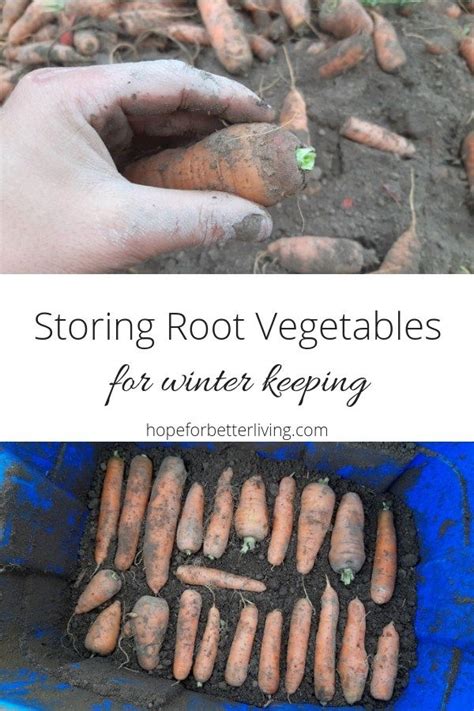
This method works wonderfully for carrots, beets, parsnips, and turnips. Layer clean, dry sand, peat moss, or sawdust in a sturdy bin or container. Place a single layer of vegetables, ensuring they don’t touch each other, then cover with more sand. Repeat layers until the container is full. The medium helps maintain humidity and prevents moisture loss, keeping the vegetables crisp for months. Store the container in the coolest spot in your home, such as an unheated closet, garage, or shed.
Garden Burial: Mother Earth’s Refrigerator
For hardy root vegetables like carrots, parsnips, and leeks, the simplest storage method might be leaving them right in the ground where they grew. In regions with mild winters, a thick layer of mulch (straw, leaves, hay) will insulate the soil and prevent freezing. Harvest as needed, even in freezing temperatures, by carefully removing the mulch. This method keeps vegetables incredibly fresh and often improves their sweetness as sugars concentrate in the cold.

Unheated Spaces: Garages, Sheds, and Cool Closets
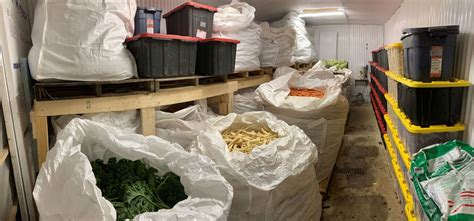
Many homes have areas that naturally stay cool and dark, even without refrigeration. An unheated garage, shed, or even a northern-facing closet can be an excellent spot for storing potatoes, onions, and garlic, provided temperatures stay consistently above freezing but below 50°F (10°C). Air circulation is crucial, so store items in breathable containers like mesh bags, crates, or baskets. Keep potatoes and onions separate, as onions emit gases that can cause potatoes to sprout.
Alternative Preservation Methods
When fresh storage isn’t feasible for extended periods, or space is limited, consider these long-term preservation techniques.
Freezing Root Vegetables
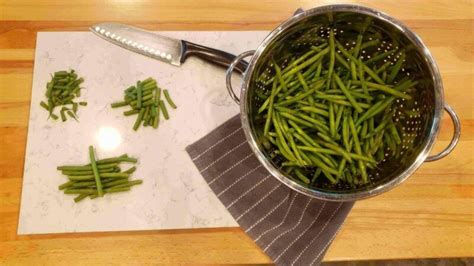
Most root vegetables can be successfully frozen after proper preparation. This usually involves washing, peeling, chopping, and then blanching them in boiling water for a few minutes, followed by an ice bath to stop the cooking process. Blanching helps preserve color, flavor, and nutrients. Once cooled, pat them dry and freeze them in a single layer on a baking sheet before transferring to freezer-safe bags or containers. This method is excellent for carrots, beets, parsnips, and even potatoes (though texture may change slightly).
Canning and Dehydrating
While not keeping them “fresh” in the traditional sense, canning and dehydrating are reliable methods for preserving root vegetables for very long periods. Pressure canning is necessary for most low-acid vegetables, ensuring safety. Dehydrating reduces vegetables to a fraction of their size, making them lightweight and shelf-stable, perfect for soups and stews later on. These methods require more equipment and time but offer year-round access to your harvest.
Monitoring Your Stored Harvest
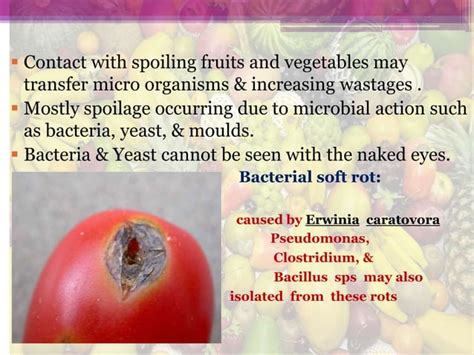
Regardless of the method you choose, regular inspection is vital. Check your stored vegetables every week or two for any signs of spoilage, mold, or sprouting. Remove any compromised vegetables immediately to prevent the issue from spreading to healthy ones. Good air circulation and consistent temperature and humidity are your best allies in preventing rot.
Conclusion
You don’t need a fancy root cellar to enjoy your homegrown root vegetables long after the harvest. By understanding their basic needs and employing these creative storage and preservation techniques, you can significantly extend the life of your bounty. Experiment with different methods to find what works best for your specific vegetables and living conditions, ensuring a steady supply of nutritious produce from your own garden, all season long.