
How to scale old family recipes for smaller meals or country batch cooking?

Mastering the Art of Recipe Scaling
Old family recipes carry more than just ingredients; they hold traditions, memories, and the unmistakable taste of home. But what happens when your household shrinks, or conversely, when you need to feed a crowd for a country-style feast or extensive meal prepping? Scaling these cherished recipes, whether up or down, can seem daunting. The good news is, with a few foundational techniques and considerations, you can confidently adjust your grandmother’s famous stew or aunt’s legendary cookies to fit any occasion or number of diners without losing their authentic charm.
Understanding the Basics of Ratio Adjustment
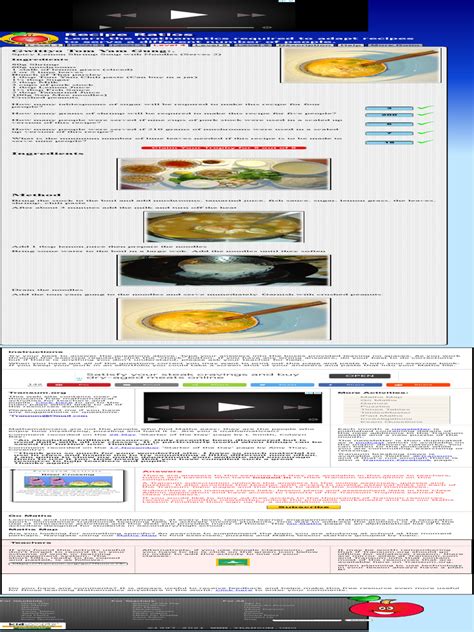
The core of successful recipe scaling lies in understanding ratios. Every ingredient in a recipe contributes to its final flavor, texture, and consistency. When you scale, you’re essentially multiplying or dividing these ratios consistently across the board. For most savory dishes, this is relatively straightforward. If you’re halving a recipe, you divide every ingredient amount by two. If you’re doubling, you multiply by two. However, there are nuances to consider.
- Liquids and Solids: These are generally the easiest to scale directly. A cup of broth becomes half a cup, or two cups, depending on your needs.
- Spices and Flavorings: Exercise caution here. While you can scale these directly for minor adjustments, a recipe with a lot of garlic might become overpowering if you double the garlic directly for a huge batch. It’s often better to start with slightly less than the direct scale and taste as you go.
- Baking vs. Cooking: Baking is a science. Flour, sugar, leavening agents (baking powder, baking soda), and eggs react precisely. Scaling baking recipes requires precision and understanding of how ingredients interact. Savory cooking is more forgiving.
Scaling Down for Smaller Meals or Cooking for One/Two
Cooking for one or two can often lead to food waste if not managed properly. Scaling down family favorites ensures you still enjoy those comforting flavors without a week’s worth of leftovers. Here’s how to approach it:
- Divide Precisely: For most ingredients, a direct division (e.g., by 2 or 4) works. Use measuring spoons and cups for accuracy. Invest in a kitchen scale for precise measurements of flour, sugar, and other dry goods if baking.
- Adjust Pan Size: A smaller quantity of food will cook differently in a large pan. Use smaller pots, pans, and baking dishes that are appropriately sized for the reduced volume. This ensures even cooking and prevents overcooking or drying out.
- Reduce Cooking Time: Less food generally means shorter cooking times. Start checking for doneness earlier than the original recipe suggests.
- Mind the Eggs: If a recipe calls for one egg and you’re halving it, what do you do? You can beat the egg, then use half, or in many cases, simply omit the egg if it’s not a crucial binding agent for texture (like in some sauces or gravies, but not cakes).
- Taste and Adjust: Always taste before serving. A smaller batch might have more concentrated flavors, so you might need to adjust seasonings subtly.

Scaling Up for Country Batch Cooking or Large Gatherings
Batch cooking is a fantastic way to save time during the week or prepare for a big family event. Scaling up old family recipes requires a bit more than just multiplying everything.
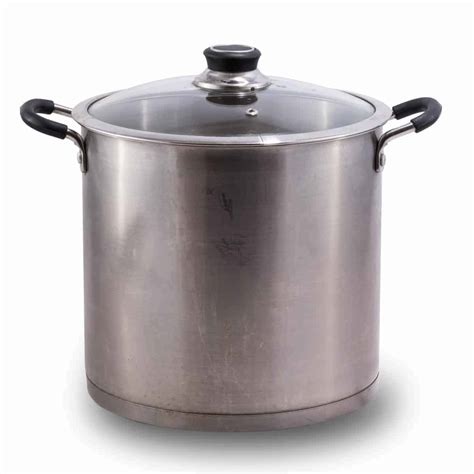
- Equipment is Key: Ensure you have pots, pans, and baking sheets large enough to accommodate the increased volume without overcrowding. Overcrowding can lead to steaming instead of searing, or uneven baking.
- Don’t Just Double Spices: When doubling or tripling a recipe, don’t automatically double or triple strong spices like garlic, chilies, or certain herbs. Add 1.5 times the original amount, taste, and then add more if needed. It’s easier to add than to remove.
- Staggered Cooking: If scaling a recipe significantly (e.g., quadrupling), consider cooking in two smaller batches rather than one massive one, especially for dishes that require searing or even heat distribution (like stir-fries or pan-fried items).
- Adjust Liquids for Evaporation: Larger batches sometimes mean slower heating and more surface area, potentially leading to increased evaporation. Keep an eye on liquids and have extra broth or water on hand to adjust consistency if needed.
- Consistency is Crucial: When stirring or mixing large quantities, ensure all ingredients are evenly distributed. This might require more vigorous or prolonged stirring than usual.
Common Pitfalls and How to Avoid Them
- Baking Recipes: As mentioned, baking is more sensitive. Leavening agents (baking powder, soda) and fats don’t always scale linearly. For significant changes, it’s often better to make multiple smaller batches of a baking recipe rather than one giant one.
- Over-Seasoning: A common mistake when scaling up is over-salting or over-spicing. Always under-season initially and adjust after tasting.
- Uneven Cooking: This happens when cookware is too small for a scaled-up recipe or too large for a scaled-down one. Ensure your vessel is appropriate for the volume of food.
- Ignoring Texture: Ingredients like pasta or rice absorb liquid. When scaling, ensure the ratio of liquid to grain/pasta remains correct, adjusting for increased evaporation in larger pots.
Embrace the Flexibility
Scaling old family recipes is a skill that comes with practice. Don’t be afraid to experiment, especially with savory dishes. Keep notes on what worked and what didn’t. With each adjustment, you’re not just changing quantities; you’re adapting and evolving these beloved culinary legacies to fit your modern life, ensuring their flavors continue to be enjoyed for generations to come, whether for an intimate dinner or a grand gathering.