



How to share messy kitchen realities (like sourdough fails!) authentically?
Embracing the Unfiltered Kitchen Narrative
In a world saturated with perfectly curated social media feeds, the pressure to present an impeccable image can be overwhelming, especially for those in the food space. We often see stunning final dishes, but rarely the chaos, spills, and outright failures that happen behind the scenes. However, a growing trend towards authenticity is challenging this pristine facade, encouraging content creators to pull back the curtain and reveal the messy, human reality of the kitchen.
This isn’t just about being honest; it’s about building genuine connection. While a flawless soufflé might inspire awe, a collapsed sourdough loaf shared with vulnerability and humor fosters relatability and trust. It reminds your audience that you’re human, prone to mistakes, and navigating the same culinary learning curve they are.
The Power of a Sourdough Fail (or Any Kitchen Blunder)
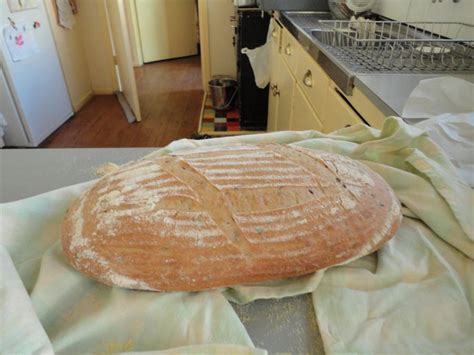
Consider the sourdough journey – a notoriously fickle craft. Many aspiring bakers experience flat loaves, gummy interiors, or over-proofed doughs before achieving their ‘perfect’ boule. Instead of hiding these mishaps, sharing them can be incredibly powerful. It normalizes the struggle and creates a safe space for others to share their own.
When you showcase a kitchen blunder, you’re not just admitting a mistake; you’re inviting your audience into your learning process. This fosters a sense of community and shared experience, transforming a potential embarrassment into a valuable teaching moment. It demonstrates resilience and a willingness to experiment, qualities your audience will appreciate far more than unblemished perfection.
Strategies for Authentic Sharing
1. Show, Don’t Just Tell
Visuals are paramount. A quick photo or video of a burnt crust, an exploded pie, or a chaotic countertop speaks volumes. Don’t just talk about the fail; show the actual evidence. This raw honesty resonates deeply and reinforces your commitment to transparency.
2. Share the Story and the Lesson
Every fail has a narrative. What went wrong? Why do you think it happened? What did you learn from it? Explaining the context and the ‘aha!’ moment transforms a simple picture of a blunder into an engaging, educational piece of content. Perhaps you forgot to activate the yeast, or misread a conversion – these details are gold.

3. Embrace Humor and Self-Deprecation
A touch of humor can make even the most disheartening kitchen disaster approachable. Laughing at yourself, using witty captions, or sharing anecdotal stories of your struggle makes you more endearing and relatable. It signals that you don’t take yourself too seriously and can find joy even in imperfection.
4. Be Timely and Transparent
The best time to share a messy reality is often as it happens, or soon after. Resist the urge to over-edit or sanitize the story too much. Authenticity thrives on immediacy and a lack of pretense. Let your audience see the raw, unpolished moment.
Beyond Sourdough: Other Realities to Share
While sourdough fails are a popular example, this approach applies to all aspects of cooking and content creation. Think about the overflowing sink after a big cooking project, the frantic search for a missing ingredient mid-recipe, the unexpected splatter, or the simply ‘not-photogenic’ but delicious meal. These are the moments that truly connect with an audience trying to juggle their own kitchens and lives.
You can also share the process of recipe testing, where multiple iterations lead to the final product. Show the versions that didn’t work, the taste tests that went awry, and the tweaks that slowly brought it to perfection. This ‘behind the scenes’ look demystifies the creative process and highlights the effort involved.
Building Trust Through Vulnerability
Ultimately, sharing your messy kitchen realities isn’t about proving you’re a bad cook; it’s about proving you’re a real person. This vulnerability builds a foundation of trust and loyalty with your audience that perfectly polished content often fails to achieve. When people see your true self, they feel more connected, making them more likely to engage with your content, trust your recommendations, and become long-term followers.

Conclusion: Your Kitchen, Unfiltered
In a world craving authenticity, the messy kitchen is your secret weapon. Don’t shy away from the failed sourdough, the charred cookies, or the explosion of flour. Instead, embrace these moments as opportunities to connect, educate, and entertain. By sharing your genuine culinary journey, imperfections and all, you’ll cultivate a more engaged, trusting, and appreciative community that values your honesty above all else.