

How to share ‘real food’ prep struggles in BTS without deterring recipe success?

Embracing Authenticity: The Creator’s Dilemma
In the vibrant world of food content creation, there’s a constant tension between presenting a flawless, aspirational outcome and showcasing the messy, human reality of getting there. Audiences crave authenticity, yet creators often fear that revealing the ‘real food’ prep struggles – the burnt edges, the unexpected spills, the endless chopping, or the moments of doubt – might inadvertently deter viewers from attempting their recipes, leading to a perceived lack of success.
This article explores how to master the art of sharing the ‘behind the scenes’ (BTS) journey, allowing your audience to connect with your process without sacrificing the allure and attainability of your culinary creations.
Why Authenticity Resonates with Your Audience
The polished perfection often seen in food media can sometimes feel intimidating and unachievable to the home cook. By revealing the occasional struggle, you don’t diminish your expertise; you humanize it. Viewers are more likely to trust and relate to a creator who openly shares the full spectrum of the cooking experience, not just the highlight reel. This relatability builds a stronger, more engaged community, fostering a sense of “if they can do it, so can I,” even with a few bumps along the way.
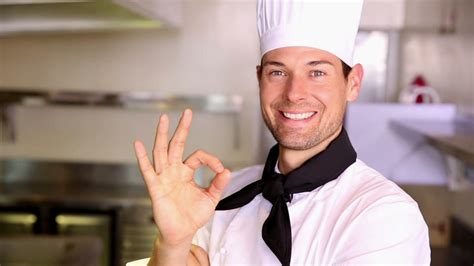
Authenticity fosters trust. When viewers see that even experienced cooks face minor setbacks, it validates their own kitchen experiences and makes your recipes feel more approachable. It transforms a perceived challenge into a shared journey.
Strategically Framing Your Prep Challenges
The key isn’t to hide struggles, but to frame them effectively. Instead of presenting a struggle as a failure, showcase it as a learning opportunity or a natural part of the creative process. For instance, a quick shot of a mis-chopped vegetable can be followed by a chuckle and a demonstration of how to course-correct, or simply a quick cut to the perfectly chopped pile, implying mastery despite the momentary lapse.
Emphasize Problem-Solving, Not Just Problems
If you encounter a minor issue, demonstrate how you overcome it. Did the sauce curdle slightly? Show how you rescued it. Did you forget an ingredient? Explain a viable substitute. This not only adds valuable information for your audience but also positions you as an adaptable and resourceful cook, enhancing your credibility rather than detracting from it.

The Art of the ‘Almost’ and the ‘Recovery’
A momentary struggle can become a powerful storytelling tool. Consider showing a quick glimpse of a messy workstation mid-prep, followed by a triumphant shot of it clean and organized for the next step. Or a voiceover narrating “This is where I almost burnt the garlic, but quickly recovered!” paired with a visual of slightly browned but not ruined garlic. These moments of ‘almost’ and ‘recovery’ add depth and reality without suggesting the final recipe is in jeopardy.
Think about the overall narrative arc. Every BTS struggle should lead back to the ultimate success of the dish. The audience should walk away thinking, “Wow, even with a few challenges, they made it look incredible!” not “That looks too hard, even for them.”
Practical Tips for Seamless BTS Integration
- Quick Cuts: Don’t dwell on mistakes. A brief, almost comical shot of a minor mishap can be effective, but cut away swiftly to the solution or the next successful step.
- Humor and Voiceovers: A lighthearted comment or a witty voiceover can turn a potential negative into a relatable, positive moment. “And here’s where my cat decided to ‘help’ with the herbs!”
- Before-and-After: Show the initial mess or struggle, then immediately transition to the tidied, resolved state. This reinforces progress and control.
- Focus on the Journey, Highlight the Destination: While the BTS shows the journey, the final presentation must always be impeccable, reinforcing the recipe’s success.

Maintaining Recipe Credibility and Success Perception
The overarching goal remains to inspire confidence in your recipes. Every BTS segment, even those highlighting struggles, should ultimately serve to strengthen the viewer’s belief that they too can achieve the delicious outcome. Avoid showing struggles that genuinely compromise the final dish’s quality or safety. Focus on minor, relatable mishaps that are part of the learning curve, rather than fundamental errors in technique or execution that could make the recipe seem flawed.
Always conclude your recipe content with a strong visual of the finished product, emphasizing its deliciousness and ease of replication. The struggles are part of the story, but the triumph is the takeaway.
Conclusion
Sharing ‘real food’ prep struggles in your BTS content is not about showcasing imperfection; it’s about enriching the narrative, building trust, and making your recipes more accessible and inspiring. By strategically framing these moments as learning opportunities, demonstrating problem-solving, and maintaining a clear focus on the ultimate success of the dish, you can foster a deeper connection with your audience and enhance your reputation as an authentic, relatable, and highly capable food content creator. Embrace the reality of the kitchen, and your audience will embrace you back.