How to show authentic BTS kitchen fails/farm struggles while maintaining a polished brand?

Embracing Imperfection While Upholding Excellence
In today’s transparent digital landscape, consumers are increasingly drawn to authenticity. For brands rooted in tangible creation – be it a bustling kitchen producing gourmet goods or a farm nurturing organic produce – this often means revealing the less-than-perfect moments: the spilled ingredients, the collapsed cake, the unexpected crop blight. The challenge lies in balancing these raw, relatable struggles with the meticulously crafted, polished image your brand strives to project. How do you pull back the curtain without tarnishing the allure?
The key is strategic vulnerability. It’s about understanding that authenticity doesn’t mean unprofessionalism, but rather a deeper, more human form of engagement that, when executed correctly, can significantly strengthen your brand’s connection with its audience.

Frame Fails as Learning Opportunities
One of the most effective ways to share struggles without compromising your brand’s integrity is to present them as learning experiences. Instead of just showcasing a mishap, tell the full story: what went wrong, why it happened, and most importantly, what you learned from it. This approach transforms a potential negative into a testament to your resilience, problem-solving skills, and continuous improvement. For instance, a video showing a batch of bread that didn’t rise can transition into a segment on adjusting yeast levels for different temperatures, showcasing your expertise rather than just your error.
Showcase the Problem, Then the Solution
Highlighting a farm struggle, like an unexpected pest infestation, can be powerful if followed by the innovative organic solutions you implemented. This doesn’t detract from your brand; it reinforces your commitment and expertise in overcoming challenges. It positions your brand as dynamic, adaptable, and knowledgeable.
Maintain High Production Quality, Even for Raw Moments
Authenticity doesn’t equate to poor quality production. Even your ‘fail’ content should reflect your brand’s overall commitment to excellence. Use good lighting, clear audio, and thoughtful editing, even if the content itself is spontaneous and unscripted. A shaky, poorly lit video of a kitchen mishap might indeed feel ‘authentic,’ but it can also subtly diminish the perceived quality of your brand. Conversely, a well-shot, well-edited clip of a minor struggle demonstrates that even in imperfection, your brand maintains a standard of quality.
Leverage Platform-Specific Content Strategies
Not all content belongs on every platform. Use your social media channels strategically. Platforms like Instagram Stories, TikTok, or YouTube Shorts are ideal for quick, raw, and highly authentic snippets of daily struggles and wins. These platforms cater to a more informal, ‘in-the-moment’ style of content. Your main Instagram grid, Facebook feed, or website, on the other hand, can remain more curated and polished, perhaps featuring the successful outcomes with a subtle nod to the journey.
Create ‘Behind the Scenes’ Segments
Consider dedicating specific recurring segments, like “Farm Fail Fridays” or “Kitchen Calamity Corner,” where you intentionally share humorous or instructive mishaps. This sets an expectation with your audience that this content is part of your brand narrative, rather than an accidental peek behind the curtain.

Inject Humor and Relatability
Self-deprecating humor is a powerful tool. A quick, lighthearted joke about a spilled batch of sauce or a stubborn goat can make your brand instantly more relatable and endearing. People connect with brands that don’t take themselves too seriously all the time. Showing that you can laugh at your own mistakes humanizes your brand, making it more approachable and memorable. It shows confidence – the confidence to be imperfect.
Always Show the Resolution or the Silver Lining
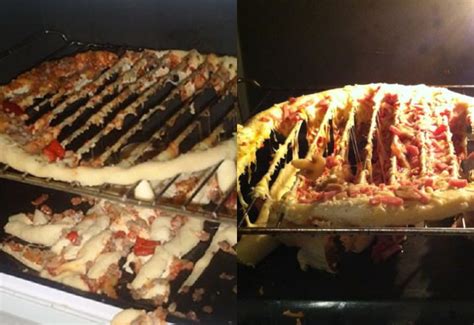
When sharing a struggle, always aim to follow through with the resolution or the positive takeaway. This reinforces your brand’s problem-solving capabilities and its commitment to quality. If a crop failed, show the replanting effort and the eventual harvest of new, resilient varieties. If a kitchen experiment didn’t work, share the successful iteration that followed. The narrative arc from challenge to triumph, or challenge to learning, is crucial for maintaining a polished brand image.
By thoughtfully integrating genuine moments of struggle and recovery, you build a deeper, more resilient connection with your audience. You prove that your brand is not just about perfect outcomes, but about the dedication, hard work, and continuous learning that goes into achieving them. This strategic authenticity doesn’t just maintain a polished brand; it elevates it to a new level of trust and admiration.