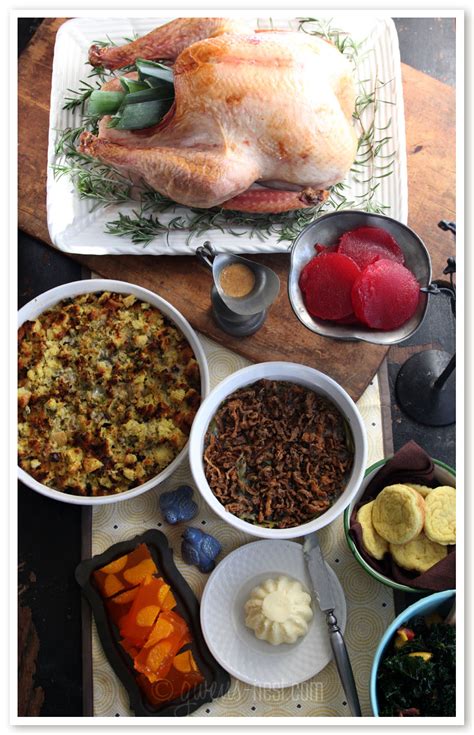
How to simplify family real food meals using garden harvests for less kitchen stress?

Embracing the Garden for Simpler Family Meals
In the quest for healthy eating, many families find themselves overwhelmed by meal planning, grocery shopping, and the constant pressure to cook nutritious dishes. The idea of ‘real food’ can seem daunting when faced with a busy schedule and picky eaters. What if the solution lay right outside your door, in a thriving garden? Integrating fresh harvests into your family’s diet can be a game-changer, not just for nutrition but also for significantly reducing kitchen stress.
By shifting your meal planning perspective from ‘what do I need to buy?’ to ‘what’s ready to harvest?’, you unlock a more intuitive and less stressful approach to feeding your family. This method naturally encourages seasonal eating, reduces food waste, and fosters a deeper appreciation for where food comes from.
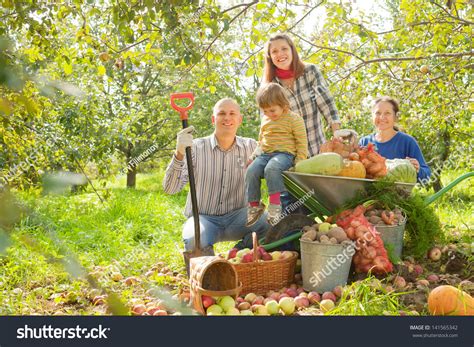
The Unbeatable Benefits of Garden-to-Table Living
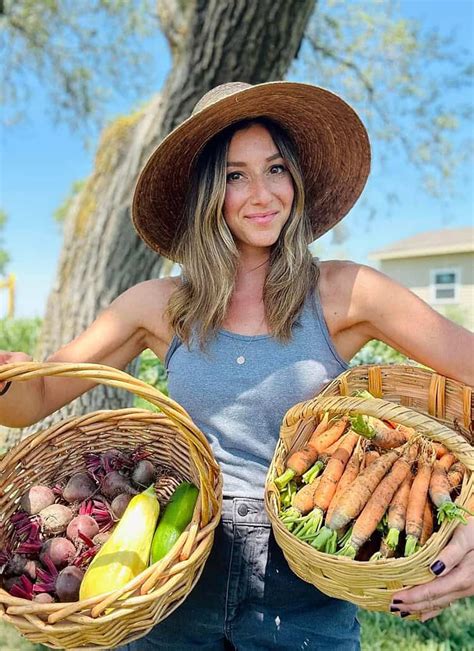
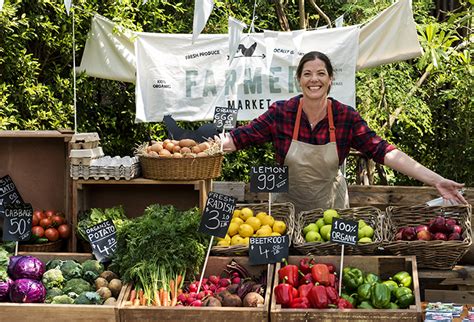
Bringing your garden produce directly to the table offers a multitude of advantages. Firstly, freshness is unparalleled; vegetables picked at their peak ripeness contain maximum nutrients and flavor, often surpassing anything you can buy in a store. This superior taste can even entice reluctant eaters to try new things.
Secondly, it’s a fantastic way to save money on your grocery bill. High-quality organic produce can be expensive, but growing your own significantly cuts costs. You control the growing conditions, avoiding harmful pesticides and ensuring your family consumes only the best.
Reducing Decision Fatigue and Embracing Seasonal Eating
One of the biggest contributors to kitchen stress is decision fatigue. Deciding what to cook every day can feel like a monumental task. When you have a garden, your harvests often dictate your meals. Instead of endless options, you focus on what’s abundant and fresh. This natural limitation simplifies meal planning tremendously.
Embracing seasonal eating means your diet naturally varies throughout the year, providing a broader spectrum of nutrients. It also teaches children about natural cycles and connects them to the rhythms of nature, making them more invested in what they eat.
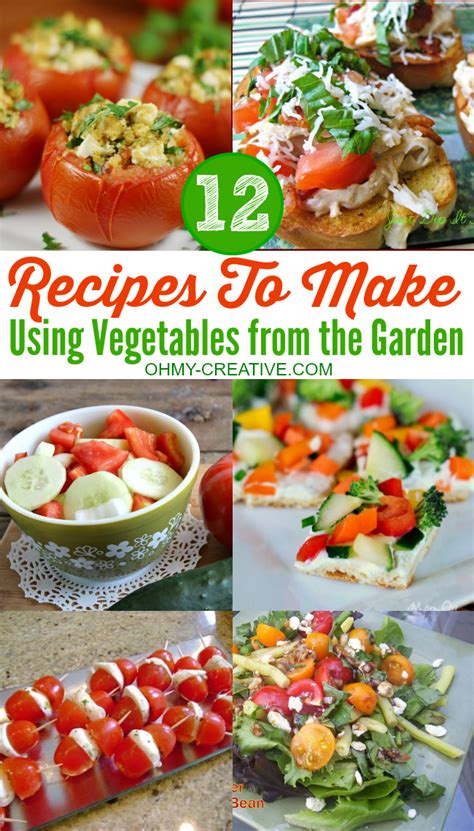
Strategies for Streamlined Garden-Fresh Meals
Simplifying real food meals with garden harvests requires a few smart strategies. It’s not just about growing; it’s about smart harvesting, storage, and cooking techniques that leverage your bounty efficiently.
1. Plan Your Garden with Meals in Mind
- Grow what you eat: Focus on vegetables your family enjoys and that are versatile for various dishes.
- Stagger plantings: For crops like lettuce, radishes, or beans, plant small batches every couple of weeks to ensure a continuous, manageable harvest rather than a massive surplus all at once.
- Choose productive varieties: Research varieties known for high yields and good storage qualities.
2. Master Quick & Easy Cooking Methods
When you have fresh, flavorful ingredients, you don’t need complex recipes. Simple cooking methods shine:
- Roasting: Toss chopped vegetables with olive oil, salt, and pepper, then roast until tender and caramelized.
- Stir-fries: A quick and versatile way to use up a variety of garden greens and other vegetables.
- Salads: The ultimate no-cook meal, combining fresh greens, herbs, and other raw veggies.
- One-pot/pan meals: Combine protein and garden vegetables in a single dish for minimal cleanup.
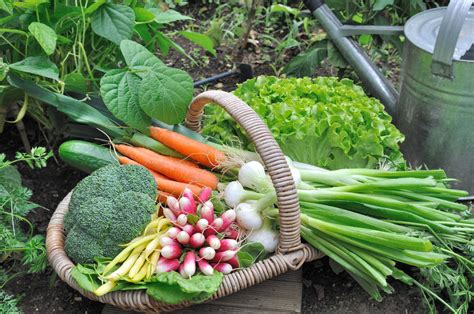
3. Harvest Smart and Store Efficiently
Harvesting at the right time ensures peak flavor and prolongs storage. Learn the optimal harvest times for your crops. Once harvested, proper storage is key:
- Washing and drying: Gently clean produce and ensure it’s dry before storing to prevent spoilage.
- Refrigeration: Use crisper drawers and airtight containers to keep most vegetables fresh for longer.
- Freezing: Blanching and freezing is excellent for preserving an abundance of beans, peas, corn, or greens for winter meals.
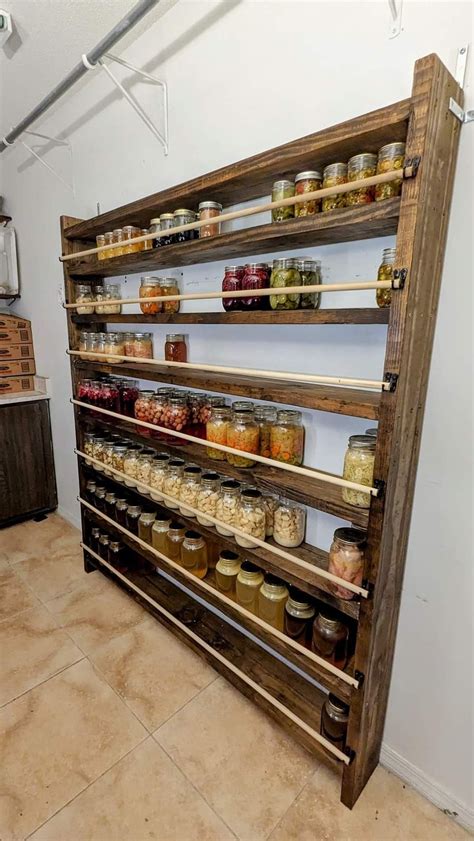
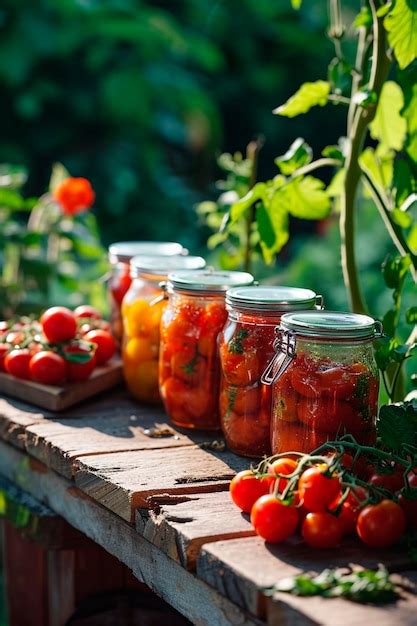
- Canning/Preserving: If you have a significant surplus, consider making pickles, jams, or tomato sauce to enjoy your harvest year-round.
Involving the Whole Family for Shared Joy (and Less Stress)
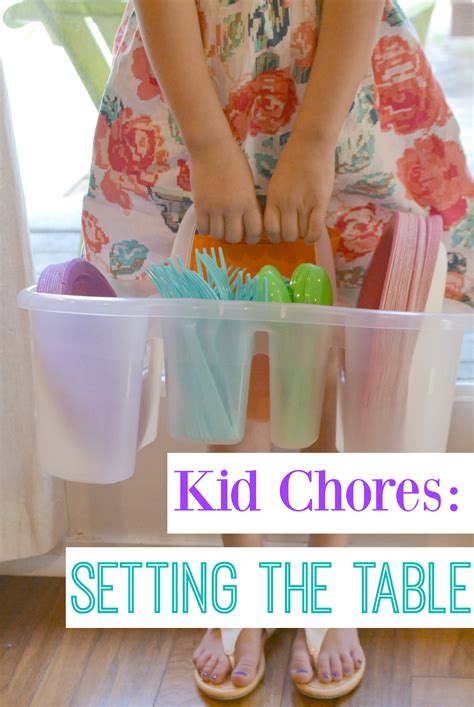
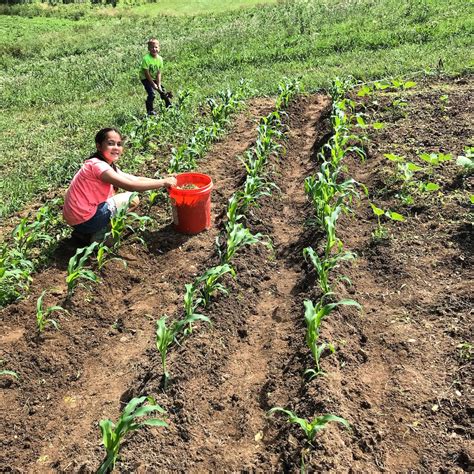
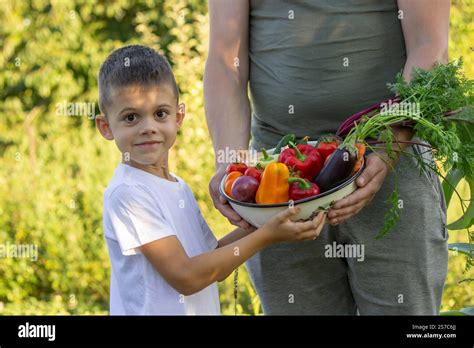
Gardening and cooking with garden produce become far less stressful when it’s a shared family activity. Children who help plant, tend, and harvest are more likely to try the food they’ve grown. Assign age-appropriate tasks, from watering and weeding to washing vegetables and stirring ingredients. This shared experience fosters a sense of accomplishment, teaches valuable life skills, and creates lasting family memories.
Even small gardens can make a big difference. A few tomato plants, a row of lettuce, or a pot of herbs can be enough to kickstart your journey towards simplified, real food meals and a less stressful kitchen environment.
Conclusion: Cultivating Health and Calm in Your Kitchen
Simplifying family real food meals using garden harvests is more than just a trend; it’s a sustainable lifestyle choice that brings immense benefits. It reduces kitchen stress by streamlining meal decisions, saves money, provides superior nutrition, and fosters a deeper connection to food and nature within your family. By embracing your garden’s bounty, you cultivate not just delicious food, but also a calmer, healthier, and more connected family life.