How to source & cook real food, like local produce, while traveling in the countryside?

Traveling through the countryside offers a unique opportunity to connect with nature, local culture, and, most importantly, the authentic flavors of a region. While restaurant meals are delightful, nothing quite compares to the satisfaction of sourcing fresh, local ingredients and transforming them into a delicious, home-cooked meal. This guide will help you embrace a more immersive culinary journey, even when you’re far from your own kitchen.
Embracing the Local Larder
Why bother cooking while traveling? Beyond saving money, it’s about experiencing the heart of a place. Local produce, often harvested just hours before, bursts with flavor that supermarket equivalents simply can’t match. It supports local economies, reduces your environmental footprint, and provides a deeper understanding of regional culinary traditions. Imagine a breakfast made with eggs from a nearby farm, fresh bread from a village bakery, and berries picked from a local field.
Where to Find Your Ingredients
The countryside is a treasure trove for fresh food, if you know where to look. Here are your best bets:
Farmers’ Markets: Your First Stop
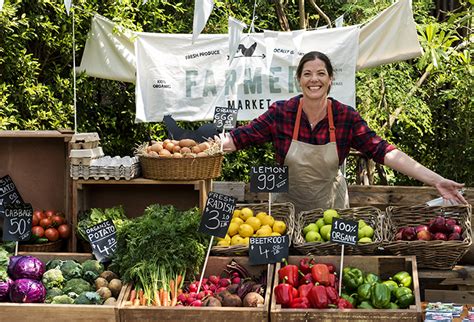
These vibrant hubs are goldmines for seasonal fruits, vegetables, cheeses, meats, and artisan breads. Engage with the vendors; they often have incredible stories about their produce and can offer cooking tips or suggest other local spots. Arrive early for the best selection.
Local Shops and Bakeries
Even the smallest villages often boast a general store or a dedicated bakery. These are excellent for staple items, freshly baked goods, and sometimes local dairy or deli products. Don’t underestimate the charm and quality of a truly local shop.
Direct from the Farm
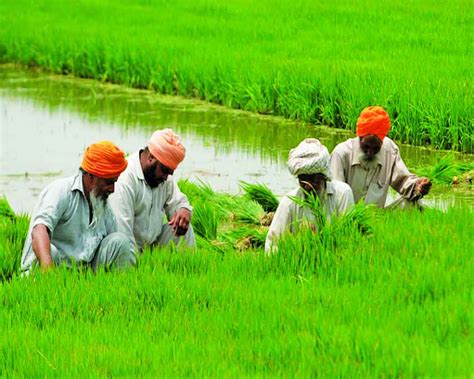
Many farms offer direct sales from a farm stand or a small shop on their property. Look for signs along rural roads advertising “fresh eggs,” “honey for sale,” or “pick-your-own” opportunities. This is the ultimate farm-to-table experience.
Foraging (with Caution)
If you have proper knowledge and identification skills, foraging for wild berries, mushrooms, or herbs can be an exciting adventure. However, never consume anything you cannot definitively identify as safe. When in doubt, leave it out.
Simple Countryside Cooking
You don’t need a gourmet kitchen to create memorable meals. Focus on simplicity and fresh ingredients.
Accommodation with Kitchenettes
When booking your stay, prioritize options with cooking facilities – guesthouses, holiday rentals, or even some campsites with communal kitchens. A basic stovetop, microwave, and refrigerator are all you need.

Essential Travel Cooking Gear
Consider packing a small cooler bag, a sharp knife with a sheath, a cutting board, and maybe a small pot and pan if your accommodation is very basic. Salt, pepper, and a versatile herb blend can elevate any dish.
Quick & Easy Meal Ideas
Think salads with local greens and cheese, pasta with fresh seasonal vegetables, scrambled eggs with local bread, or simple grilled fish from a nearby river or lake. The freshness of the ingredients means you need to do very little to make them shine.

Navigating Potential Hurdles
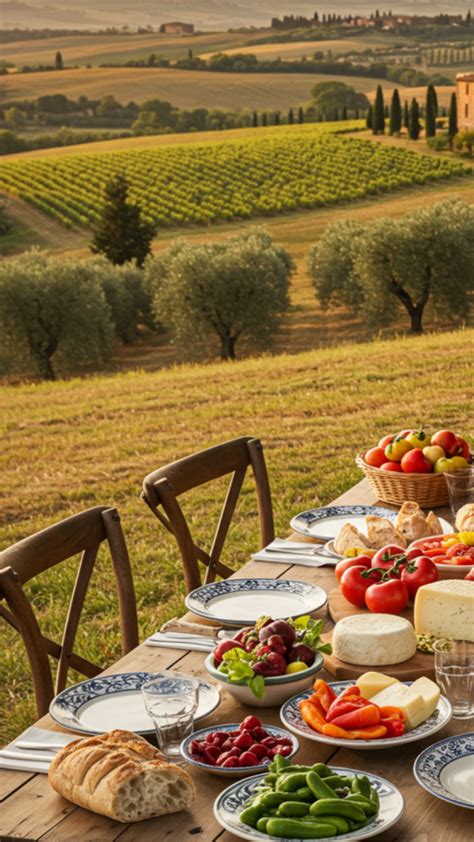
While rewarding, cooking on the road can have its challenges. Limited kitchen tools, unfamiliar ingredients, or restricted access to shops can occur. Be adaptable, plan ahead, and don’t be afraid to improvise. Sometimes a simple picnic with local bread, cheese, and fruit is the most perfect meal.
Conclusion: A Taste of Place
Sourcing and cooking real food while traveling through the countryside transforms a trip into an authentic culinary adventure. It’s a chance to slow down, connect with the land and its people, and savor the true essence of your destination. So, next time you venture off the beaten path, open your senses to the incredible edible journey that awaits.