How to source fresh, local ingredients for cooking in a rural rental?

One of the true joys of a rural getaway is the opportunity to slow down, connect with nature, and perhaps most delightfully, embrace the local culinary scene. But what if you’re staying in a rental with a kitchen and want to cook your own meals using the best of what the region offers? Sourcing fresh, local ingredients in an unfamiliar rural setting can seem daunting, but with a little planning and an adventurous spirit, it’s incredibly rewarding.
Embracing the Local Flavor
Cooking with local ingredients not only supports the regional economy but also provides an authentic taste of your travel destination. Freshly harvested produce often boasts superior flavor and nutritional value, transforming even simple meals into memorable culinary experiences. Beyond the tangible benefits, it’s a fantastic way to immerse yourself in the local culture and meet the people who grow and produce your food.
Discovering Farmers Markets
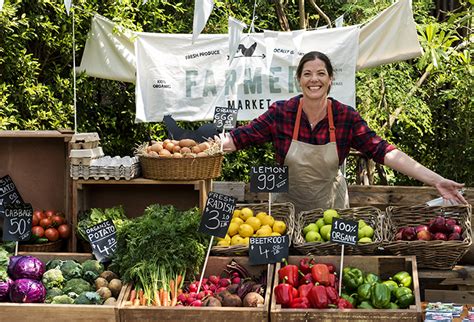
Farmers markets are often the heartbeat of a community and the absolute best place to find seasonal produce, artisan cheeses, freshly baked goods, and local meats. Before your trip, do a quick online search for “farmers markets near [your rental’s town/region]” and note their operating days and hours. Weekends are typically prime market days.
- Arrive Early: For the best selection and to avoid crowds.
- Bring Cash and Reusable Bags: Many vendors are cash-only, and bags are essential.
- Talk to Vendors: They can offer cooking tips, tell you about their farms, and recommend what’s in peak season.

Farm Stands and Community Supported Agriculture (CSAs)
Beyond organized markets, many rural areas are dotted with roadside farm stands. These can range from a simple honesty box with corn and tomatoes to elaborate, staffed operations selling a wide array of products. Keep an eye out for signs as you drive, and don’t hesitate to stop. Some farms also offer CSA (Community Supported Agriculture) boxes, where you pay upfront for a share of the harvest. While a full CSA subscription might not suit a short rental, some farms offer single-day pick-ups or smaller bundles, especially if you contact them directly.

Beyond the Obvious: Local Stores and Foraging
Even small-town grocery stores often stock products from local farms and producers. Look for labels that highlight local sourcing, or ask store staff for recommendations. They are usually happy to point you toward regional specialties. For the adventurous, wild foraging can be an exciting option, but proceed with extreme caution. Only forage if you are absolutely certain of plant identification, aware of local regulations, and ideally, with a knowledgeable local guide. Common safe foraging items might include wild berries in season, but always prioritize safety.

Connecting with the Community
The best resource for local knowledge is often the locals themselves. Strike up conversations with your rental host, neighbors, or even the barista at the local coffee shop. They can often provide insider tips on hidden farm stands, the best places for fresh eggs, or where to find unique local delicacies that aren’t advertised to tourists. This personal connection not only helps you find great ingredients but also enriches your overall travel experience.
Making the Most of Your Rural Kitchen
Once you’ve gathered your bounty, planning your meals becomes part of the fun. Be flexible with your recipes and let the available ingredients inspire you. Don’t be afraid to try new vegetables or cuts of meat. Remember to store your fresh produce properly to maintain its quality throughout your stay. A well-stocked rural rental kitchen, combined with the freshest local ingredients, promises a truly authentic and delicious escape.