How to start a productive country garden for real food year-round?

Laying the Groundwork for Continuous Harvests
Embarking on the journey of creating a productive country garden that supplies real food year-round is a rewarding endeavor. It’s more than just growing vegetables; it’s about cultivating self-sufficiency, connecting with nature, and enjoying the freshest produce imaginable. Achieving continuous harvests requires thoughtful planning, understanding your local environment, and implementing sustainable practices. This guide will walk you through the essential steps to transform your country plot into a thriving, year-round food source.
1. Planning Your Productive Oasis
The success of any garden, especially one aimed at year-round production, hinges on meticulous planning. Begin by observing your chosen site. Identify areas that receive full sun (at least 6-8 hours daily), locate water sources, and assess the natural slope and drainage. Consider the size and layout of your garden beds. Raised beds can be excellent for drainage and soil control, while in-ground beds offer space for larger crops and root systems. Sketch out your garden plan, mapping where different plant families will go, considering their sun requirements, mature size, and companion planting opportunities.

Think about garden zones: which areas are easily accessible for daily tasks, and which can be dedicated to less frequently harvested crops or perennials? Proper planning minimizes effort and maximizes yield over the long term.
2. Building Healthy Soil: The Foundation of Abundance
Soil is the living engine of your garden. Healthy, nutrient-rich soil is paramount for robust plants and continuous production. Start with a soil test to understand its composition, pH, and nutrient deficiencies. Amend your soil generously with organic matter – compost, well-rotted manure, and leaf mold are your best friends. These additions improve soil structure, water retention, and nutrient availability.
Embrace no-till or minimum-till practices to preserve soil structure and beneficial microbial life. Consider planting cover crops during off-seasons (e.g., clover, vetch, rye) to protect soil from erosion, suppress weeds, and add organic matter when tilled in. A rich, living soil ecosystem is less prone to pests and diseases, and will feed your plants naturally.
3. Strategic Plant Selection for Continuous Harvests
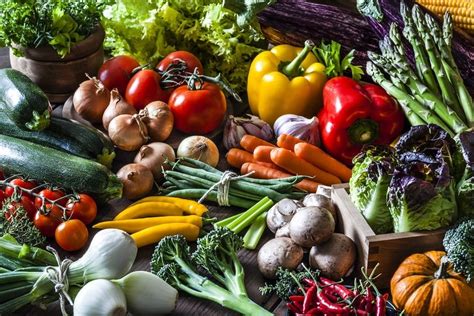
To achieve year-round production, you need a diverse array of plants suited to different seasons. Incorporate a mix of:
- Perennials: Asparagus, rhubarb, fruit trees, berry bushes, herbs like rosemary and thyme provide harvests for years with minimal effort.
- Cold-Hardy Annuals: Spinach, kale, lettuce, carrots, radishes, and brassicas can withstand frost and provide food well into cooler months, especially with protection.
- Warm-Season Annuals: Tomatoes, peppers, squash, beans, and corn thrive in summer’s heat. Plan for succession planting to extend their harvest window.
Focus on varieties known for their productivity and suitability to your climate zone. Research planting times for successive crops; for example, once spring peas are done, you might plant bush beans or a fall brassica crop in the same spot. This maximizes bed space and ensures a steady supply of food.
4. Essential Gardening Practices for Year-Round Yields
Consistent care is crucial for a productive garden. Implement efficient watering systems; drip irrigation or soaker hoses conserve water and deliver it directly to plant roots. Stay vigilant against pests and diseases, opting for organic and preventative measures like companion planting, crop rotation, and beneficial insect attraction. Regular weeding prevents competition for nutrients and and water.
To truly achieve year-round harvests in many climates, season extension techniques are invaluable. Cold frames, cloches, row covers, and hoop houses can protect plants from frost, extend the growing season into late fall and early spring, and even allow for winter harvesting of cold-tolerant crops. Learn to prune, stake, and support your plants to encourage healthier growth and higher yields.
5. Harvesting, Storing, and Enjoying Your Bounty
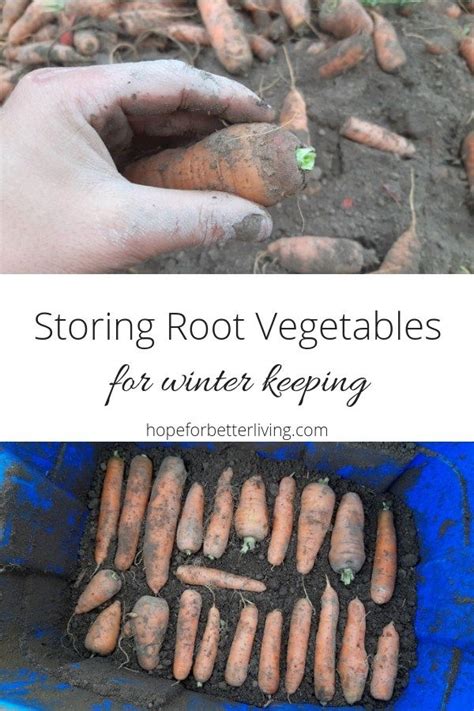
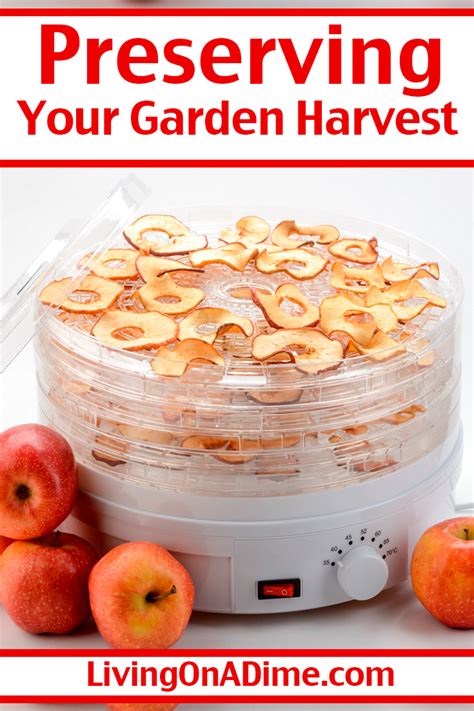
Knowing when and how to harvest is key to maximizing your yield and encouraging further production. Many crops, like beans, zucchini, and leafy greens, produce more when harvested regularly. Develop a system for preserving your harvest: canning, freezing, drying, fermenting, and root cellaring are all excellent methods to store food for the leaner months. This ensures that even when the garden isn’t actively producing a fresh supply, your pantry is stocked with your homegrown bounty.
Practice good crop rotation to maintain soil health and prevent the buildup of specific pests and diseases. Keep detailed records of what you plant, when you plant it, and how it performs. This knowledge will be invaluable for refining your garden plan year after year, continuously improving its productivity and your ability to feed yourself from your own land.
Cultivating a Sustainable Food Source
Starting a productive country garden for real food year-round is an ongoing learning process, but one filled with incredible satisfaction. By focusing on smart planning, healthy soil, strategic plant choices, diligent care, and efficient preservation, you can create a resilient system that provides nutritious food for you and your family through all four seasons. Embrace the journey, learn from your experiences, and enjoy the delicious fruits (and vegetables!) of your labor.