


How to start a resilient backyard garden for real food in a small country living space?

Embracing the Resilient Garden Mindset
Even with limited space in a country setting, cultivating a resilient backyard garden for real food is entirely achievable and immensely rewarding. A resilient garden isn’t just about growing food; it’s about creating a living system that can withstand environmental stresses, requires fewer external inputs, and provides a continuous harvest. This approach emphasizes long-term sustainability, soil health, and ecological balance, turning your small plot into a productive powerhouse.
The key lies in smart planning and leveraging every square inch effectively. You don’t need acres to grow a significant portion of your own food; you need intention and understanding of how natural systems work. By focusing on principles that build strength into your garden, you can ensure a steady supply of nutritious produce, fostering greater self-sufficiency and connecting you more deeply with your food source.
Essential Principles for Small Spaces
Maximizing Soil Health
The foundation of any resilient garden is healthy soil. In a small space, this is even more critical. Instead of relying on synthetic fertilizers, focus on building living soil rich in organic matter. Implement composting kitchen scraps and garden waste directly into your beds, or maintain a dedicated compost pile. Consider no-till methods to preserve soil structure and microbial life. Healthy soil retains water better, provides nutrients naturally, and supports robust plant growth, making your garden more resilient to droughts and diseases.
Smart Water Management
Water is a precious resource. Design your garden to conserve it. Rainwater harvesting using barrels connected to gutters is an excellent way to capture free, soft water for your plants. Mulching around your plants with straw, wood chips, or leaves significantly reduces evaporation, keeping the soil moist for longer. Drip irrigation or soaker hoses are far more efficient than overhead sprinklers, delivering water directly to the plant roots with minimal waste.

Choosing the Right Plants
Select plant varieties known for their hardiness, disease resistance, and suitability to your local climate. Heirloom and open-pollinated seeds are often more adaptable and allow you to save seeds for future seasons, increasing your garden’s self-reliance. Focus on high-yield crops that offer good nutritional value, such as leafy greens, bush beans, tomatoes, peppers, and various herbs. Consider perennial edibles like asparagus, rhubarb, or berry bushes if space allows, as they produce year after year with less effort.
Practical Steps to Build Your Garden
Site Selection and Design
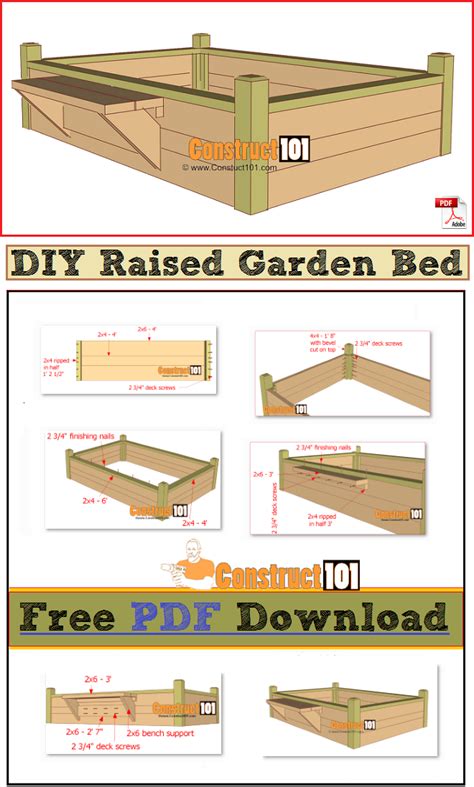
Start by observing your space. Identify areas that receive at least 6-8 hours of direct sunlight daily – these are prime spots for most vegetables. For small country spaces, consider vertical gardening solutions like trellises, arbors, and hanging planters to grow upward. Raised beds are ideal for small gardens as they allow for intensive planting, better drainage, and easier soil management. Design paths minimally to maximize growing area.

Planting for Success
Once your beds are ready, plan your planting. Companion planting—placing beneficial plants near each other—can deter pests, attract pollinators, and improve growth. For example, marigolds can repel nematodes, while basil can enhance tomato flavor. Stagger planting times (succession planting) for crops like lettuce and radishes to ensure a continuous harvest rather than a single large yield. Start some seeds indoors to get a head start on the growing season, especially if your growing season is short.
Nurturing Your Thriving Edible Landscape
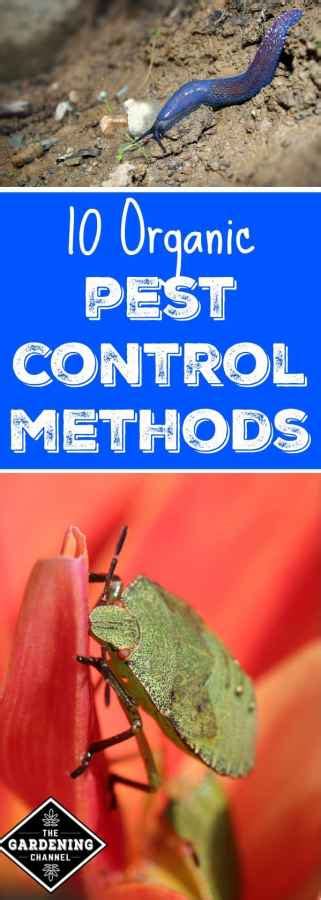
Regular observation is key. Learn to recognize early signs of pest or disease issues. Implement organic pest control methods such as hand-picking pests, using insecticidal soap, or introducing beneficial insects. Maintain your garden by weeding consistently – unwanted plants compete for precious nutrients and water. Feed your plants with compost tea or organic liquid fertilizers to support their growth. As your plants mature, harvest regularly to encourage further production and prevent bolting.
Starting a resilient backyard garden in a small country living space is an empowering journey. It’s about working with nature, not against it, to cultivate an abundant source of fresh, healthy food. By implementing these principles and practices, you’ll not only feed yourself and your family but also create a vibrant, sustainable ecosystem right outside your door, proving that even a small space can yield significant returns.