




How to start a resilient backyard veggie garden that thrives with minimal input?
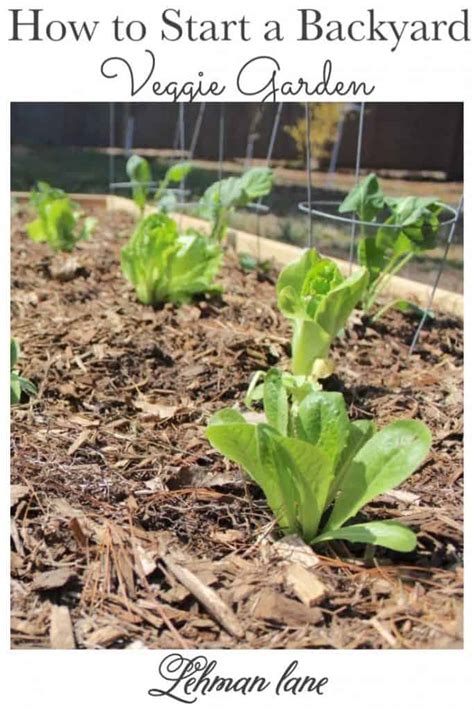
Embarking on a journey to create a backyard veggie garden doesn’t have to mean endless hours of toil. The secret lies in resilience – building a system that can withstand pests, diseases, and varying weather patterns while requiring minimal intervention. A truly resilient garden works with nature, not against it, fostering a self-sustaining ecosystem right outside your door.
1. Building a Robust Foundation: Healthy Soil
The cornerstone of any thriving garden, especially one designed for resilience, is healthy soil. Think of your soil as the garden’s stomach; feed it well, and your plants will be strong and less susceptible to problems. Start by understanding your soil type through a simple soil test. This will reveal nutrient deficiencies and pH levels, guiding your amendments.
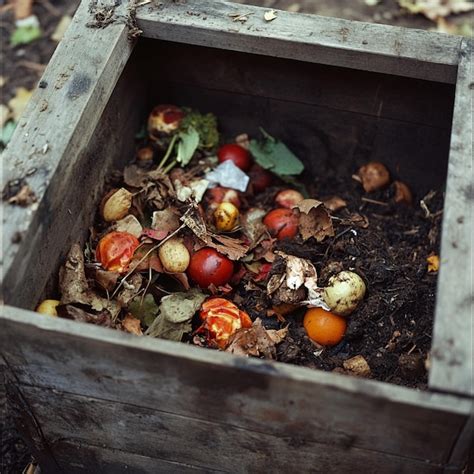
Focus on enriching your soil with organic matter. Composting kitchen scraps and yard waste creates a nutrient-dense amendment that improves soil structure, water retention, and microbial life. Consider ‘no-dig’ or ‘no-till’ gardening methods, which disturb the soil as little as possible. This preserves the delicate fungal and bacterial networks essential for plant health and nutrient cycling.
2. Smart Plant Selection: The Right Plants for Your Place
Choosing the right plants is crucial for a low-input, resilient garden. Opt for varieties that are well-suited to your local climate and soil conditions. Research native vegetable varieties or heirloom seeds known for their hardiness and resistance to common local pests and diseases. These plants are often better adapted and require less fuss.
Embrace biodiversity by planting a variety of vegetables, herbs, and flowers. Companion planting, where specific plants benefit each other (e.g., marigolds deterring nematodes, basil improving tomato flavor), can naturally reduce pest pressure and enhance growth. Consider planting perennial vegetables like asparagus, rhubarb, or certain herbs, which return year after year, minimizing yearly planting efforts.
3. Efficient Watering Strategies: Conserve and Thrive
Water is a precious resource, and a resilient garden uses it wisely. Overwatering can be just as detrimental as underwatering, leading to root rot and fungal diseases. Implement strategies to maximize water retention and minimize evaporation.
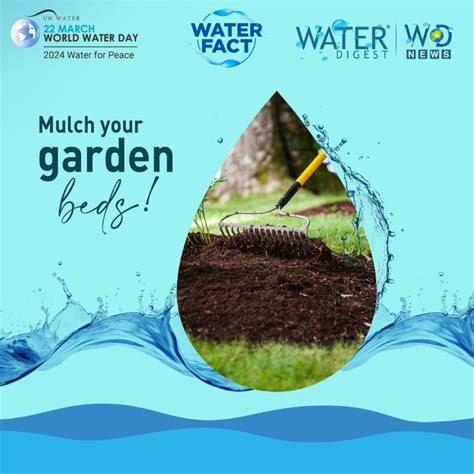
Mulching is a game-changer. A thick layer (2-4 inches) of organic mulch like straw, wood chips, or shredded leaves around your plants suppresses weeds, moderates soil temperature, and significantly reduces water evaporation. Consider drip irrigation systems or soaker hoses, which deliver water directly to the plant roots, reducing waste and preventing foliar diseases caused by overhead watering. Group plants with similar water needs together to optimize irrigation schedules.
4. Natural Pest and Disease Management: Let Nature Help
A resilient garden embraces biological control rather than relying on chemical interventions. Healthy soil and strong plants are the first line of defense. Beyond that, encourage beneficial insects like ladybugs, lacewings, and parasitic wasps by planting diverse flowering plants that provide nectar and pollen. These allies will naturally keep pest populations in check.
Regular observation is key. Inspect your plants often to catch pest or disease issues early. Remove affected leaves or plants promptly to prevent spread. Practice good garden hygiene by cleaning up plant debris and rotating crops annually to break pest and disease cycles. When intervention is necessary, opt for organic solutions like neem oil or insecticidal soap as a last resort.

5. Thoughtful Garden Design and Placement
Before you even put a seed in the ground, consider your garden’s layout and microclimates. Most vegetables need at least 6-8 hours of direct sunlight per day, so choose your sunniest spot. Observe how sunlight moves across your yard throughout the day and year.
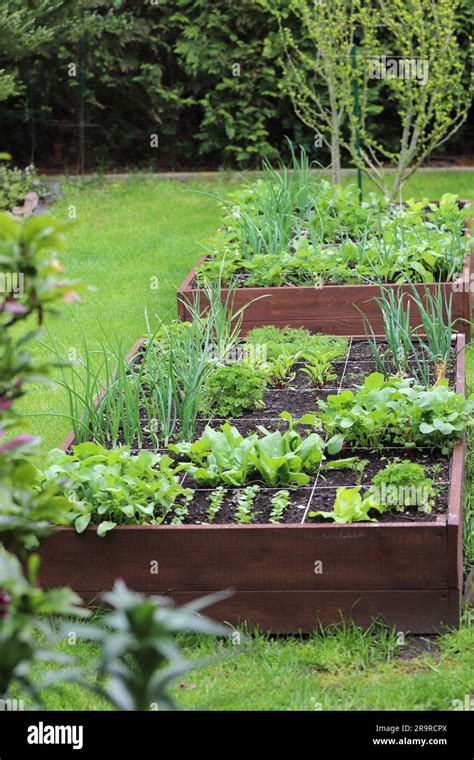
Consider raised beds for better drainage and easier soil management, especially if your native soil is poor. They can also extend the growing season slightly. If space is limited, vertical gardening or container gardening can be excellent resilient options. Start small, learn what works in your specific environment, and gradually expand. A small, thriving garden is far more rewarding than a large, neglected one.
Building a resilient backyard veggie garden is an ongoing process of observation, learning, and working in harmony with nature. By focusing on soil health, smart plant choices, efficient watering, and natural pest management, you can cultivate a thriving, productive garden that requires minimal input and provides fresh, healthy produce for years to come. Embrace the journey, and enjoy the fruits (and vegetables!) of your labor.