How to start a simple backyard compost pile using kitchen & yard waste?

Composting is nature’s recycling program, turning organic waste like kitchen scraps and yard trimmings into a rich, dark soil amendment known as “black gold.” Not only does it divert waste from landfills, but it also enriches your garden soil, improves plant health, and reduces the need for chemical fertilizers. Starting a simple backyard compost pile is easier than you might think, requiring minimal effort for maximum environmental and gardening benefits.
Understanding the Basics of Composting
At its heart, composting is a process where microorganisms break down organic materials. For this to happen efficiently, your compost pile needs a balance of “greens” (nitrogen-rich materials) and “browns” (carbon-rich materials), along with adequate moisture and oxygen. Achieving this balance is key to a successful and odor-free composting experience.
Choosing the Right Location for Your Pile
The first step in setting up your compost pile is selecting an ideal spot in your backyard. Look for a location that is:
- Partially Shaded: This helps retain moisture and prevents the pile from drying out too quickly, especially in hot climates.
- Well-Drained: Avoid areas where water might pool, as this can lead to anaerobic conditions and unpleasant odors.
- Accessible: You’ll be adding materials regularly and turning the pile, so easy access with a wheelbarrow or shovel is important.
- Away from Your House: While a well-maintained pile shouldn’t smell, it’s wise to keep it a reasonable distance from your home and neighbors.
Gathering Your Compostable Materials: Greens & Browns
Successful composting hinges on a good mix of “greens” and “browns.” Aim for a ratio of about two parts browns to one part greens for optimal decomposition.
Greens (Nitrogen-Rich)
These materials provide nitrogen and tend to be moist. They heat up the pile and speed decomposition.
- Fruit and vegetable scraps (non-citrus preferred in large quantities)
- Coffee grounds and tea bags
- Grass clippings (use sparingly to avoid matting and odor)
- Plant trimmings (non-diseased)
- Manure (from herbivores like horses, cows, chickens, rabbits)
Browns (Carbon-Rich)
These provide carbon, structure, and help keep the pile aerated. They are typically dry and break down slower.
- Dry leaves
- Shredded cardboard (toilet paper rolls, paper towel rolls, plain corrugated cardboard)
- Straw or hay
- Wood chips or sawdust (use sparingly)
- Newspaper (shredded, avoid glossy sections)
What NOT to Compost
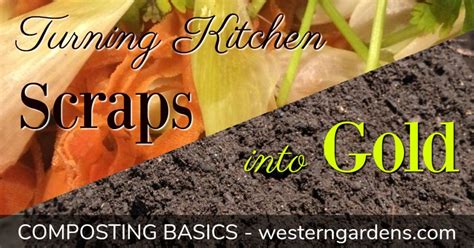
Avoid these items to prevent pests, odors, and disease:
- Meat, bones, fish, dairy products, and oily foods (attract pests, create foul odors)
- Pet waste (may contain pathogens)
- Diseased plants (can spread disease back to your garden)
- Weeds with seeds (seeds can survive composting and sprout later)
- Treated wood products
- Pesticide-treated plant material
Building Your Simple Compost Pile
Once you have your location and materials, it’s time to build your pile. While a dedicated bin can be useful, a simple open pile works just as well.
- Start with Browns: Lay down a 4-6 inch layer of coarse, carbon-rich materials like small branches or straw at the bottom. This helps with drainage and air circulation.
- Add Layers: Alternate layers of greens and browns, usually starting with browns. A common approach is a 2:1 brown-to-green ratio. For example, a 6-inch layer of dry leaves, followed by a 3-inch layer of kitchen scraps and grass clippings.
- Moisture is Key: After each layer, lightly moisten the materials. The pile should feel like a damp sponge – not soaking wet, not bone dry.
- Incorporate Soil: Occasionally, add a thin layer of garden soil or finished compost. This introduces beneficial microorganisms that jumpstart decomposition.
- Continue Layering: Keep adding layers as you accumulate more waste.
Maintaining Your Compost Pile
A little maintenance goes a long way in speeding up the composting process.
Turning the Pile
Aeration is crucial. Turn your pile with a pitchfork every 1-2 weeks. This introduces oxygen, preventing anaerobic conditions (which cause bad smells) and helps distribute moisture and heat evenly. The more you turn, the faster it composts. If your pile is smaller and less active, turning every 3-4 weeks might suffice.
Monitoring Moisture
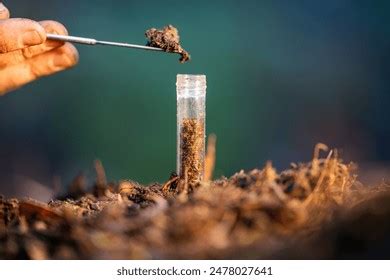
Check the moisture level regularly. If it’s too dry, decomposition slows down. If it’s too wet, it can become slimy and smelly. Add water if it feels dry, or add more dry brown materials if it’s too wet.
Adding New Materials
Continue adding new greens and browns as they become available. Chop larger items into smaller pieces to speed up decomposition.
Troubleshooting Common Composting Issues
- Bad Odor: Usually indicates too much nitrogen (greens) or not enough oxygen. Turn the pile and add more dry browns.
- Attracting Pests: Often due to composting prohibited items like meat or dairy. Remove these, turn the pile, and cover exposed food scraps with a layer of browns.
- Not Heating Up: Might be too dry, too much carbon, or not enough nitrogen. Add some moist greens, water, and turn.

Harvesting and Using Your “Black Gold”
Your compost is ready when it’s dark brown, crumbly, smells earthy, and you can no longer identify the original materials. This usually takes anywhere from 2 months to a year, depending on the materials and how actively you manage the pile.
To harvest, simply dig from the bottom or sides of the pile, where the oldest material has fully decomposed. Use a screen if you want a finer product, or just spread it as is.
Finished compost can be used in numerous ways:
- Mix it into garden beds before planting.
- Top-dress existing plants and trees.
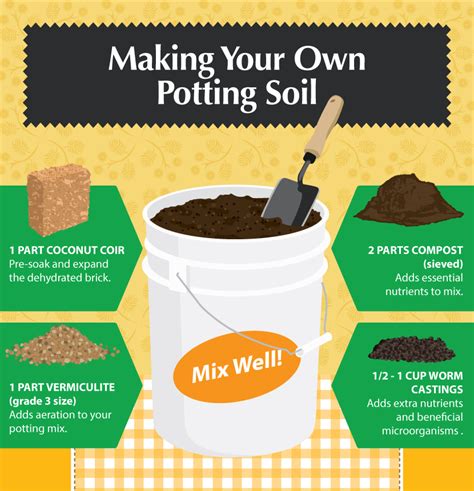
- Use it as a nutrient-rich potting mix component.
- Spread it on your lawn as a natural fertilizer.
Conclusion
Starting a backyard compost pile is a rewarding and environmentally friendly endeavor. By transforming your kitchen and yard waste into nutrient-rich soil, you’re not only reducing landfill waste but also nurturing a healthier, more vibrant garden. Embrace the simplicity of this natural process and watch your garden thrive with your homemade “black gold.”