


How to start a small backyard flock of egg-laying chickens for beginners?
Dreaming of fresh eggs every morning and the joyful clucking of hens in your backyard? Starting a small flock of egg-laying chickens is a rewarding endeavor that connects you with your food source, offers a continuous supply of nutritious eggs, and even helps with pest control. For beginners, the journey might seem daunting, but with proper planning and a little know-how, you can successfully raise happy, healthy hens. This guide will walk you through the essential steps to get your backyard flock off to a flying start.
1. Understanding Local Regulations and Space Requirements
Before you even think about purchasing chicks, the very first step is to check your local city or county ordinances regarding backyard poultry. Regulations vary widely; some areas welcome chickens with open arms, while others have strict limits on the number of birds, require permits, or forbid them entirely. Beyond legality, consider the space you have available. A good rule of thumb is at least 3-4 square feet per chicken inside the coop and 8-10 square feet per chicken in an outdoor run. Adequate space prevents stress, pecking, and allows for natural foraging behaviors.
2. Choosing the Right Chickens for Beginners
Not all chickens are created equal when it comes to temperament and egg-laying prowess. For first-time owners, selecting docile, hardy breeds known for consistent egg production is key. Popular choices include Rhode Island Reds, Plymouth Rocks, Wyandottes, Orpingtons, and Leghorns (though Leghorns can be a bit more flighty, they are excellent layers). Decide whether you want to start with day-old chicks, which require more intensive care and a brooder, or pullets (young hens nearing laying age), which are more expensive but skip the delicate chick phase.
3. Building or Buying the Perfect Coop
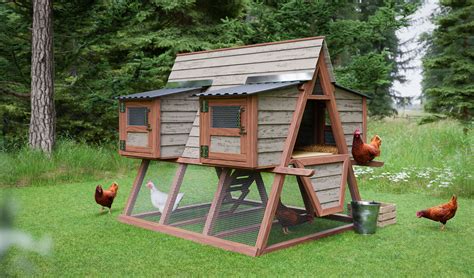
Your chicken coop is their home, shelter, and sanctuary. It needs to be secure, spacious, and functional. Essential features include:
- Security: Protection from predators like raccoons, foxes, and hawks. Hardware cloth (not chicken wire) is recommended for windows and vents.
- Ventilation: Good airflow prevents respiratory issues, but avoid drafts.
- Roosts: Elevated perches for sleeping. Provide at least 8-12 inches of roosting space per bird.
- Nesting Boxes: One nesting box for every 3-4 hens is usually sufficient. Place them in a quiet, slightly darkened area.
- Accessibility: Easy access for cleaning and egg collection.
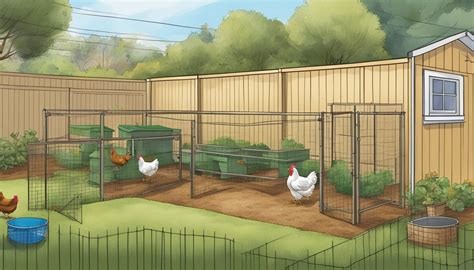
- Run: An attached outdoor run allows chickens to forage safely.
4. Feed and Water Essentials
A balanced diet is crucial for healthy hens and consistent egg production.
- Feeds: Provide a high-quality layer feed (typically 16-18% protein) free-choice once your hens are around 18-20 weeks old or start laying. Young chicks will need a starter feed, followed by a grower feed.
- Grit: Chickens need insoluble grit to help them digest their food.
- Oyster Shell/Calcium: Laying hens require extra calcium for strong eggshells. Provide crushed oyster shell in a separate feeder.
- Water: Fresh, clean water must be available at all times. Use a sturdy poultry waterer that is easy to clean and won’t tip over.
- Treats: Offer treats like scratch grains, fruits, and vegetables sparingly, as they are not nutritionally complete and can lead to obesity or nutrient deficiencies if overfed.

5. Daily Care and Health Maintenance
Regular care ensures your flock thrives.
- Daily Checks: Observe your chickens daily for any signs of illness or injury (lethargy, ruffled feathers, unusual droppings).
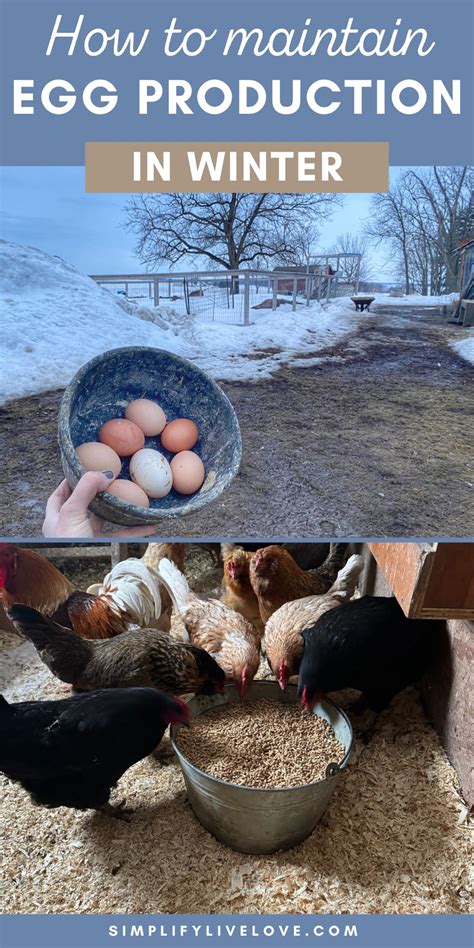
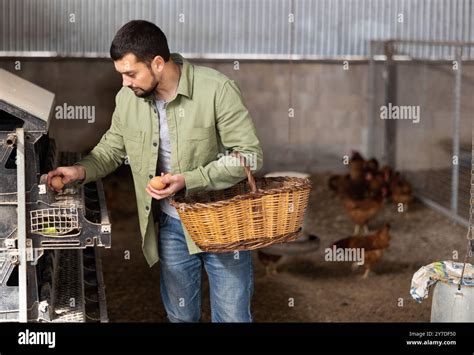
- Egg Collection: Collect eggs at least once a day, preferably twice, to keep them clean and prevent breakage.
- Water Refill: Ensure fresh water is always available.
- Feeder Check: Top up feed as needed.
- Coop Cleaning: Spot clean droppings daily or every few days. Perform a deeper clean of the coop and bedding every 1-4 weeks, depending on the number of chickens and coop size.
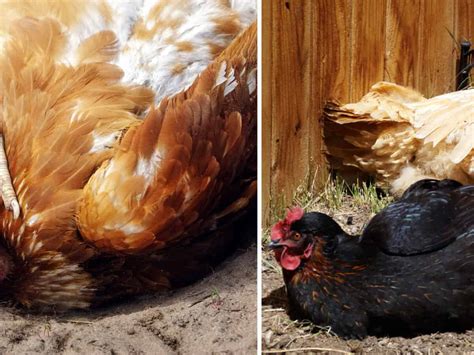
- Dust Baths: Provide an area with dry soil, sand, or wood ash for dust bathing, which helps chickens clean their feathers and deter parasites.
6. Enjoying the Fruits of Your Labor: Fresh Eggs!
Within a few months of bringing home pullets (or about 5-6 months if you started with chicks), your hens will begin laying eggs. The frequency and size will vary by breed and individual hen, but you can generally expect 4-6 eggs per hen per week from good layers. Fresh backyard eggs often have vibrant, darker yolks and superior flavor compared to store-bought varieties. Gently brush off any debris from collected eggs; washing them immediately removes their natural protective bloom, so it’s best to wash only right before use or refrigerate unwashed eggs for longer storage.
Conclusion
Starting a backyard flock of egg-laying chickens is a truly rewarding experience that brings a touch of country living right to your home. While it requires commitment to their daily care and initial setup, the fresh eggs, engaging personalities of your hens, and connection to nature are well worth the effort. By following these beginner-friendly steps, you’ll be well on your way to enjoying your very own backyard egg supply and the delightful company of your feathered friends.