




How to start composting kitchen scraps for richer garden soil?
Unlock Your Garden’s Potential with Kitchen Scraps
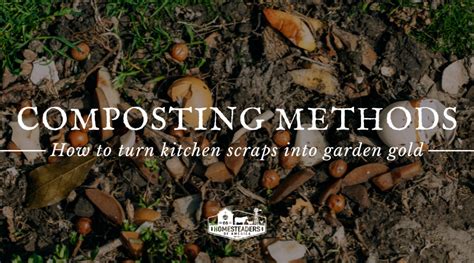
Composting is a simple, powerful way to enrich your garden soil, reduce household waste, and create a healthier environment. Turning kitchen scraps into nutrient-dense compost is not just good for the planet; it’s a secret weapon for any gardener aiming for more vibrant plants and bountiful harvests. If you’ve ever wondered how to begin this rewarding practice, you’ve come to the right place. Let’s dive into the practical steps to start your composting journey.
Why Compost Your Kitchen Waste?
The benefits of composting extend far beyond just diverting waste from landfills. Compost enriches soil structure, improves drainage in heavy clay soils, and increases water retention in sandy soils. It provides essential nutrients to plants, suppresses plant diseases and pests, and reduces the need for chemical fertilizers. Plus, it’s incredibly satisfying to see your food waste transform into valuable ‘black gold’ for your garden.
What You Can and Cannot Compost
Knowing what to add to your compost pile is crucial for success. A good rule of thumb is to aim for a balance of ‘greens’ (nitrogen-rich) and ‘browns’ (carbon-rich).
Ideal ‘Greens’ (Kitchen Scraps):
- Fruit and vegetable peels/scraps
- Coffee grounds and filters
- Tea bags (remove staples)
- Eggshells (crushed)
- Stale bread and grains
Ideal ‘Browns’ (Non-Kitchen Items):
- Dried leaves
- Shredded newspaper and cardboard (non-glossy)
- Sawdust and wood chips (untreated)
- Straw or hay
- Pine needles
What to Avoid:
- Meat, bones, and dairy products (attract pests, create odors)
- Oils and greasy foods
- Pet waste (may contain pathogens)
- Diseased plants (can spread disease)
- Chemically treated wood or plants
- Coal ash
Choosing Your Composting Method
There are several ways to compost, depending on your space, budget, and desired speed.
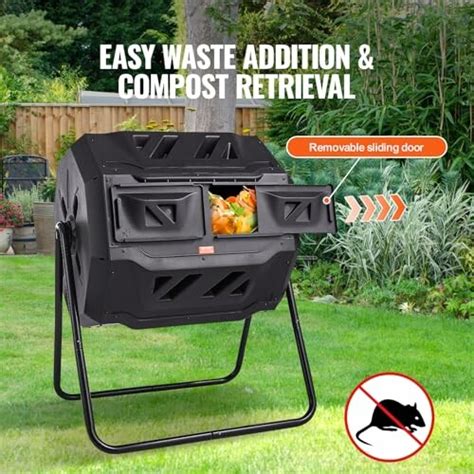
1. Outdoor Composting Bins or Piles:
- Open Piles: Simple and effective for larger volumes, but can be less tidy.
- Enclosed Bins: Keep critters out and maintain heat. Options include tumblers (for faster compost) or static bins (wire mesh, plastic, or wood).
2. Indoor Composting (for Smaller Spaces):
- Worm Composting (Vermicomposting): Uses red wiggler worms to break down food scraps efficiently. Excellent for apartments or small homes.
- Bokashi Composting: An anaerobic fermentation process that ‘pickles’ food scraps. The fermented material then needs to be buried or added to a traditional compost pile to break down further.
Setting Up Your Composter
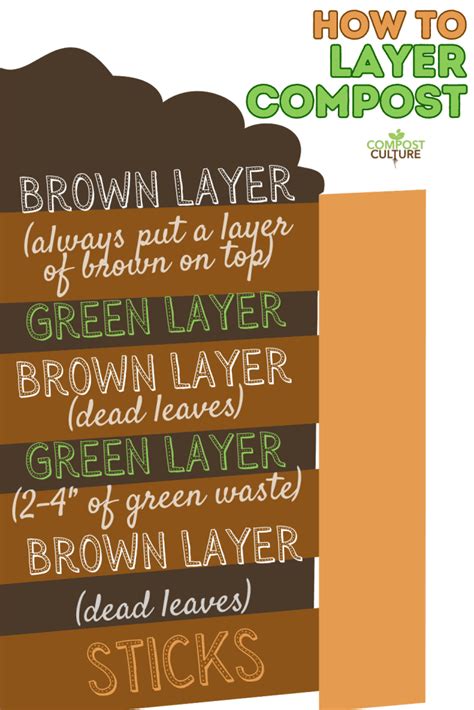
For outdoor composting, choose a shady, well-drained spot near a water source and away from your house. Start with a layer of ‘browns’ at the bottom for aeration, then alternate layers of ‘greens’ and ‘browns.’ Chop larger scraps into smaller pieces to speed up decomposition.
Maintaining Your Compost Pile
A healthy compost pile needs three main ingredients: moisture, air, and a good balance of greens and browns.
- Moisture: Your compost should feel like a damp sponge. Water it if it’s too dry, and add more browns if it’s too wet.
- Aeration: Turn your compost pile regularly (weekly or bi-weekly) with a pitchfork or shovel. This introduces oxygen, which is vital for the microorganisms doing the work and prevents odors.
- Balance: Aim for roughly a 2:1 or 3:1 ratio of browns to greens by volume. Don’t worry about being precise; you’ll get a feel for it over time.

Harvesting and Using Your Compost
You’ll know your compost is ready when it’s dark brown, crumbly, smells earthy, and you can no longer recognize the original materials. This process can take anywhere from a few weeks (with a hot, well-managed pile) to several months.
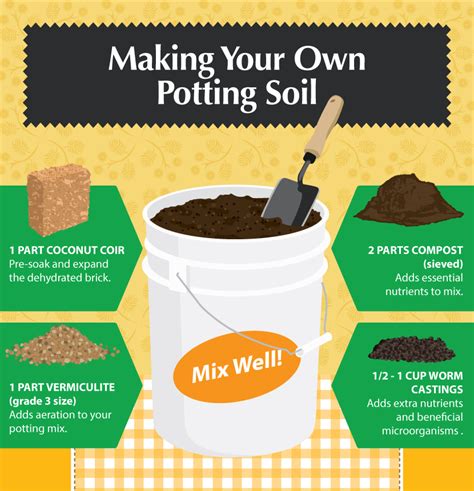
Once ready, spread your finished compost around the base of plants, mix it into garden beds before planting, or use it as a top dressing for lawns and containers. Your garden will thank you with healthier growth and richer yields.
Start Composting Today!
Composting kitchen scraps is an accessible and highly rewarding practice that contributes significantly to a sustainable lifestyle and a thriving garden. By following these simple steps, you’ll soon be on your way to transforming waste into a valuable resource, creating richer soil, and enjoying a more eco-conscious home and garden. Happy composting!