How to store bulk dry goods long-term, pest-free?
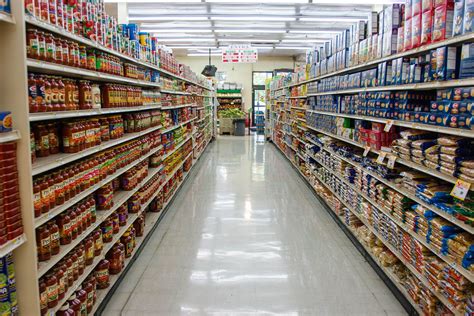
The Foundation of Self-Sufficiency: Why Store Bulk Dry Goods?
For those embracing a country living lifestyle, storing bulk dry goods isn’t just a matter of convenience; it’s a cornerstone of self-sufficiency, economic prudence, and preparedness. Whether facing unexpected emergencies, rising food costs, or simply striving for a more resilient household, a well-stocked pantry of staples like grains, beans, and pasta offers peace of mind. However, the success of long-term storage hinges on one critical factor: keeping pests at bay. Without proper precautions, insects and rodents can quickly compromise your investment, turning valuable provisions into waste. This guide will walk you through the essential steps to create a pest-free, long-lasting dry goods storage system.
Selecting Your Staples: What to Store Long-Term
Before you begin the storage process, consider what dry goods are best suited for long-term preservation and are practical for your family’s consumption. Ideal candidates include:
- Grains: Wheat, rice (white, not brown), oats, corn, barley.
- Legumes: Dried beans, lentils, split peas.
- Pasta: Various shapes and sizes.
- Sugars & Sweeteners: Granulated sugar, honey (sealed properly).
- Salt: Essential for cooking and preservation.
- Dehydrated Foods: Fruits, vegetables, and jerky (ensure proper dehydration).
Always purchase high-quality, fresh products from reputable sources. Starting with a pest-free product is the first line of defense.
The Right Tools: Containers, Conditions, and Pest-Proofing
Effective long-term storage begins with the right containers and environmental control. This is where most pest prevention strategies are implemented.
Choosing Airtight, Food-Grade Containers:
- Mylar Bags: These thick, multi-layered bags block light, moisture, and oxygen. They are excellent for foods you want to store for decades. Always use Mylar bags in conjunction with oxygen absorbers and place them inside rigid containers like food-grade buckets for protection against rodents and physical damage.
- Food-Grade Buckets: High-density polyethylene (HDPE) buckets with gamma seal lids create an airtight and rodent-proof barrier. They are ideal for larger quantities and can house Mylar bags.
- Glass Jars: Mason jars with airtight lids are excellent for smaller quantities, offering visibility and a good seal, but are susceptible to light degradation and breakage.
Oxygen Absorbers:
These small packets remove oxygen from sealed containers, preventing insect eggs from hatching and slowing down food degradation. They are crucial for grains and legumes stored in Mylar bags or sealed buckets.
Diatomaceous Earth (Food Grade):
For an extra layer of protection, especially with grains, a small amount of food-grade diatomaceous earth (DE) can be mixed directly with the dry goods. DE is a natural, non-toxic powder that acts as a desiccant and a physical barrier, effectively dehydrating and killing insects with exoskeletons without harming humans or pets.

Fortifying Your Pantry: Advanced Pest and Rodent Prevention
Beyond containers, a multi-faceted approach is needed to truly pest-proof your bulk goods.
Combating Insect Infestations:
- Freezing: Before sealing, freeze grains or flours for 48-72 hours to kill any potential insect eggs or larvae already present. Allow them to return to room temperature before sealing to prevent condensation.
- Bay Leaves: Placing bay leaves in or around smaller containers can deter some pantry moths and weevils, though this is less effective for long-term, bulk storage.
- Cleanliness: A meticulously clean storage area is paramount. Regularly sweep and vacuum, paying attention to corners and crevices where crumbs or spilled goods could attract pests.
Rodent Proofing Strategies:
- Physical Barriers: Store all dry goods in hard-sided, rodent-proof containers. Even if using Mylar bags, always place them inside sturdy metal bins or thick plastic buckets. Rodents can chew through Mylar and thin plastic.
- Elevated Storage: Keep containers off the floor using shelves or pallets. This makes it harder for rodents to access and helps monitor for droppings or gnaw marks.
- Seal Entry Points: Inspect your storage area (basement, pantry, shed) for any cracks, holes, or gaps in walls, floors, or around pipes. Seal them with steel wool, caulk, or concrete to prevent rodents from entering.
- Maintain a Clean Perimeter: Keep the area around your storage clear of debris, overgrown vegetation, and potential nesting materials that could attract rodents.
Organization and Maintenance: Ensuring Longevity and Freshness
A well-organized system not only makes your stored goods easier to access but also simplifies monitoring for issues.
- Labeling: Clearly label every container with its contents, packaging date, and a recommended “use by” date. This is critical for practicing First-In, First-Out (FIFO) rotation.
- Rotation: Regularly rotate your stock. Use older goods first and replenish with newer supplies. This ensures you’re always consuming products within their optimal freshness window and prevents anything from sitting for too long.
- Regular Inspection: Periodically check your storage area and containers for any signs of pests (droppings, gnaw marks, webbing), moisture, or damage. Address any issues immediately.
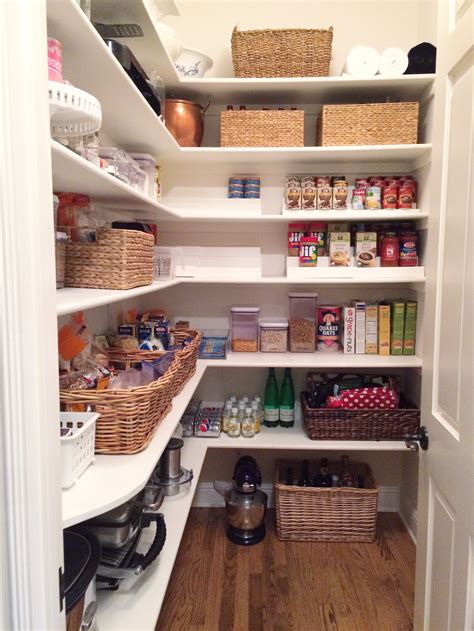
Optimal Storage Environment: Cool, Dark, and Dry
The environment where your goods are stored significantly impacts their shelf life and vulnerability to pests.
- Cool Temperatures: Aim for a consistent temperature below 70°F (21°C), ideally closer to 50-60°F (10-15°C). Cooler temperatures drastically slow down spoilage and insect breeding cycles.
- Darkness: Light, especially direct sunlight, can degrade vitamins, fats, and color in food. Store goods in a dark pantry, basement, or dedicated storage room.
- Low Humidity: Moisture is the enemy of dry goods, leading to mold, spoilage, and attracting insects. Maintain humidity levels below 15% if possible. Ensure your storage area is dry and consider using a dehumidifier if needed.

Regular Inspection and Safety Protocols
Even with the best preparations, vigilance is key. Make a habit of regular check-ins:
- Visual Checks: Look for any bulging lids (indicating gas production, a sign of spoilage or fermentation), rust on metal containers, or strange odors.
- Seal Integrity: Ensure all container seals remain airtight.
- Pest Traces: Keep an eye out for droppings, chewed packaging, or the presence of live or dead insects near your storage. Early detection can prevent widespread infestation.
If you discover any contamination, immediately isolate the affected goods. Dispose of severely infested items and thoroughly clean and disinfect the area before restocking.

Conclusion: Your Resilient, Pest-Free Pantry Awaits
Storing bulk dry goods long-term and pest-free requires a combination of smart planning, the right equipment, and consistent vigilance. By investing in quality containers, implementing effective pest deterrents, controlling your storage environment, and maintaining a robust rotation system, you can build a resilient pantry that will serve your household for years to come. Embrace these strategies, and enjoy the security and satisfaction that comes from a well-prepared country home.