How to store fresh garden herbs for winter use?
As the gardening season winds down, the challenge often shifts from nurturing to preserving. Your garden’s bounty of aromatic herbs, bursting with flavor and vitality, doesn’t have to disappear with the first frost. With a few simple techniques, you can enjoy their freshness in your cooking all winter long. Here’s a comprehensive guide to storing your fresh garden herbs for long-lasting use.

Drying Herbs
Drying is perhaps the oldest and most traditional method of preserving herbs. It’s ideal for herbs with lower moisture content and stronger flavors, like oregano, thyme, rosemary, bay, and sage. For best results, harvest herbs in the morning after the dew has dried but before the sun is too hot, ensuring their oils are at their peak.
Air Drying
- Bundles: Wash herbs gently and pat them thoroughly dry. Remove any damaged leaves. Gather small bunches and tie them at the stems with string. Hang them upside down in a warm, dry, well-ventilated area away from direct sunlight. An attic, pantry, or even a protected porch can work. Drying can take 1-3 weeks.
- Drying Racks: For herbs with smaller leaves (like thyme or oregano), you can spread them in a single layer on a screen or mesh drying rack. Ensure good air circulation around them.
Dehydrator or Oven Drying
- Dehydrator: A food dehydrator offers a controlled environment for faster drying. Arrange herbs in a single layer on trays and follow your dehydrator’s instructions (usually around 95-115°F or 35-46°C).
- Oven: If using an oven, set it to its lowest temperature (often 100-150°F or 38-65°C) and prop the door open slightly to allow moisture to escape. Place herbs on baking sheets lined with parchment paper. Check frequently and turn them to prevent burning.
Once completely dry (they should be crisp and crumble easily), strip the leaves from the stems and store them whole or lightly crumbled in airtight containers away from light and heat. Whole leaves retain flavor longer.
Freezing Herbs
Freezing is excellent for preserving the vibrant fresh flavor of more delicate, leafy herbs like basil, parsley, cilantro, mint, and chives. It prevents enzymatic breakdown and retains their color and taste.
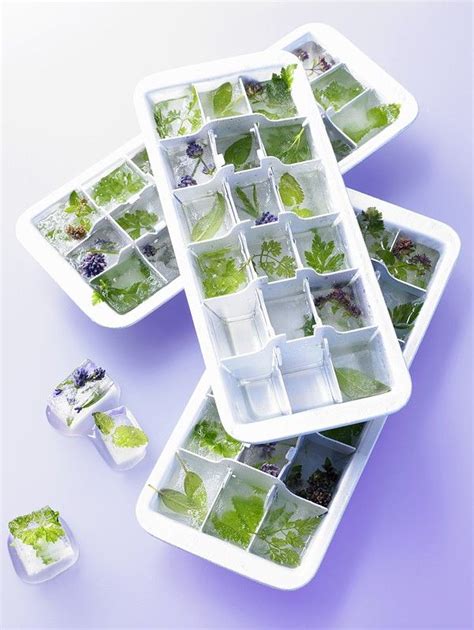
Ice Cube Method
- Wash and thoroughly dry your herbs. Chop them finely.
- Pack the chopped herbs into ice cube trays, filling each compartment about two-thirds full.
- Pour a little water, olive oil, or vegetable broth over the herbs, just enough to cover them.
- Freeze until solid. Once frozen, pop the herb cubes out and transfer them to freezer-safe bags or containers.
These cubes are perfect for tossing directly into soups, stews, sauces, or stir-fries. The oil-based cubes are particularly good for sautéing.
Chopped & Bagged
For larger quantities, simply wash, dry, and chop your herbs. Spread them in a single layer on a baking sheet and freeze until firm. Then, transfer the frozen herbs to freezer bags, removing as much air as possible before sealing. This method allows you to easily grab a pinch or a handful as needed.
Making Herb Oils and Vinegars
Infusing oils and vinegars is a wonderful way to capture the essence of your herbs, adding a gourmet touch to your winter cooking. Always exercise caution when making infused oils with fresh herbs, as they can create an anaerobic environment where botulism can thrive. For shelf-stable oils, use only dried herbs, or keep fresh herb oils refrigerated and use within 1-2 weeks.
Herb Vinegars
- Wash and dry fresh herb sprigs (e.g., rosemary, thyme, oregano, dill).
- Place them in a clean, sterilized bottle.
- Heat white wine vinegar, apple cider vinegar, or champagne vinegar gently until warm but not boiling.
- Pour the warm vinegar over the herbs, ensuring they are fully submerged.
- Seal the bottle and let it infuse in a cool, dark place for 2-4 weeks.
- Strain out the herbs (optional, but recommended for longer shelf life) and rebottle the infused vinegar.
These make excellent salad dressings, marinades, or additions to sauces.

Herb Butters and Pastes
Compound butters and flavorful pastes are versatile ways to preserve herbs and add instant flavor to meals.
Compound Butters
Soften unsalted butter to room temperature. Finely chop a generous amount of your favorite herbs (e.g., parsley, chives, dill, tarragon, garlic). Mix the herbs into the butter with a pinch of salt and pepper. Roll the butter into logs using parchment paper or plastic wrap, then freeze. Slice off a medallion as needed to melt over steamed vegetables, grilled meats, baked potatoes, or crusty bread.
Herb Pastes (Pesto-style)
Blanch hardier herbs like parsley or cilantro for 30 seconds, then immediately plunge into ice water to retain color. Pat very dry. Blend with a good quality olive oil, a squeeze of lemon juice (to prevent browning), and a pinch of salt. You can also add nuts and garlic if making a traditional pesto, but for freezing, it’s often better to omit cheese and nuts until ready to use. Freeze in small containers or ice cube trays.

Key Tips for Success
- Harvesting: Always harvest herbs when they are at their peak flavor, typically before flowering.
- Cleaning: Gently wash herbs under cool water and thoroughly pat them dry to prevent mold or freezer burn.
- Labeling: Clearly label all your preserved herbs with the herb type and the date of preservation.
- Storage: Store all preserved herbs in airtight containers in a cool, dark place (for dried) or in the freezer (for frozen items) to maintain their quality and flavor.
With these methods, you can extend the joy of your summer garden well into the colder months, ensuring that the fresh, vibrant flavors of your herbs are always just a pinch away. Enjoy the taste of summer, all year round!