
How to store garden bounty for winter without a root cellar?
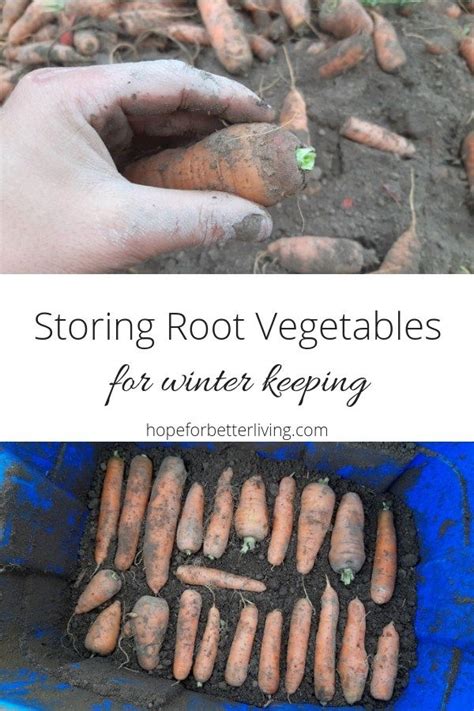
Embracing Alternative Storage Solutions
The dream of a bountiful winter pantry, stocked with the fruits of your summer labor, often conjures images of a cool, damp root cellar. But what if your homestead lacks this traditional underground haven? Fear not, the absence of a root cellar doesn’t mean you can’t enjoy your garden’s bounty through the colder months. With a little creativity and knowledge, countless effective preservation methods can transform your harvest into delicious, long-lasting provisions, all without digging a single hole.
From simple air-drying to more involved canning and freezing, there are techniques suited for every type of produce and every level of commitment. The key is understanding which method works best for different vegetables and fruits, and how to utilize the spaces you already have. Let’s explore the diverse world of non-root cellar food storage.
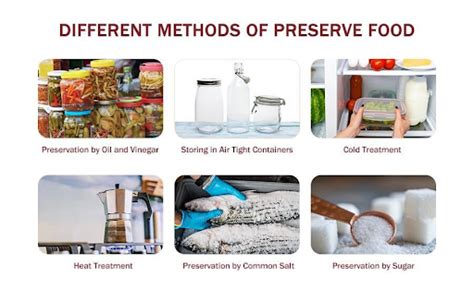
Drying: Nature’s Dehydrator
Drying is one of the oldest and simplest methods of food preservation, requiring minimal equipment and space. Herbs, beans, hot peppers, and even some fruits like apples and berries can be effectively dried at home. For herbs, simply tie them in small bundles and hang them upside down in a warm, dry, well-ventilated area away from direct sunlight. Beans and corn can be dried on the stalk or husked and spread out on screens.
A food dehydrator offers a faster, more controlled environment for drying a wider range of produce, including fruit leathers, sliced vegetables, and even jerky. Once thoroughly dry, store your preserved foods in airtight containers in a cool, dark pantry. This method concentrates flavors and dramatically reduces bulk, making it excellent for small spaces.
Freezing: The Modern Ice Age
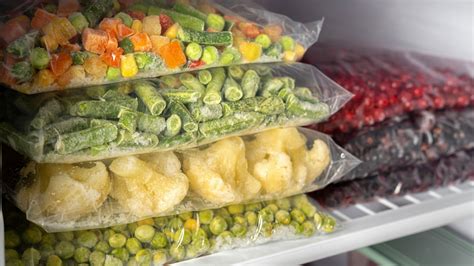
For many gardeners, the freezer is an indispensable tool for winter food storage. It’s incredibly versatile and preserves the flavor and nutritional value of fresh produce remarkably well. Most vegetables benefit from blanching – a quick dip in boiling water followed by an ice bath – before freezing. This stops enzyme action that can degrade flavor and texture over time. Fruits, on the other hand, often freeze well raw, sometimes with a little sugar or lemon juice to prevent browning.
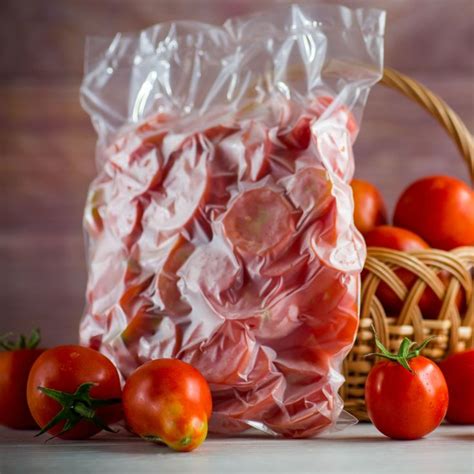
From berries and peaches to green beans and corn, almost anything can be frozen. Properly packaged (using freezer bags or containers to prevent freezer burn), frozen produce can last for months, providing a taste of summer even in the dead of winter. Remember to label and date everything!
Canning: Sealing in Summer’s Flavor
Canning involves sealing food in sterile jars and heating them to destroy microorganisms and create a vacuum seal. There are two main methods: water bath canning for high-acid foods (fruits, pickles, tomatoes with added acid) and pressure canning for low-acid foods (most vegetables, meats, and mixtures). Water bath canning is relatively easy to learn and requires a large pot with a rack, while pressure canning is more involved but opens up a world of possibilities for preserving almost any harvest item.
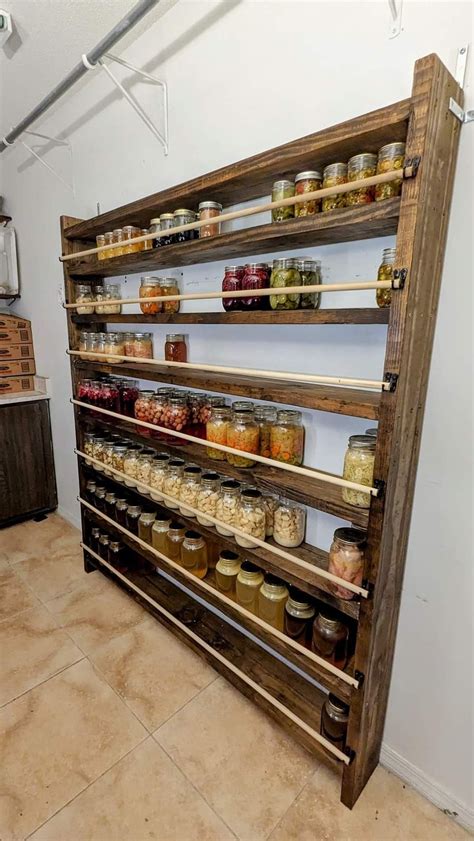
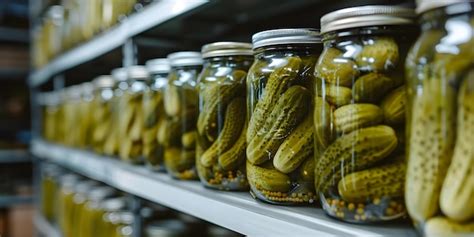
Canned goods are shelf-stable and can be stored in any cool, dark pantry or cupboard, making them ideal for those without dedicated cold storage. They are also incredibly satisfying to look at, filling your shelves with colorful, homemade goodness.
Fermentation: The Living Pantry
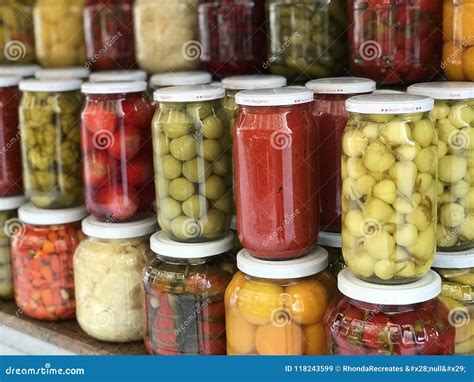
Fermentation is an ancient preservation method that not only extends the life of food but also enhances its nutritional value and creates unique, tangy flavors. Think sauerkraut, kimchi, and various types of pickles. It primarily involves salt and time, allowing beneficial bacteria to transform vegetables into probiotic-rich foods.
Cabbage, cucumbers, carrots, and even green beans can be fermented with ease. The process usually takes place at room temperature for a few days to weeks, after which the fermented foods can be moved to a cooler spot or refrigerated to slow the fermentation process. Jars of fermented vegetables can be stored in a cool pantry or even a basement corner.
Cool, Dark, and Dry: The Improvised Cellar
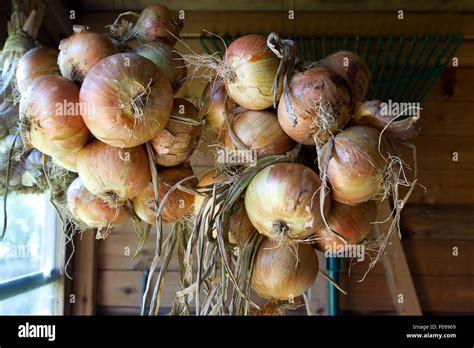
While not a traditional root cellar, many homes have spaces that can mimic some of its conditions. A cool, dark closet, an unheated pantry, a spare bedroom corner, or even an attached garage that doesn’t freeze can be pressed into service for certain crops. Potatoes, onions, garlic, and winter squash thrive in these conditions.
- Potatoes and Onions: Store in breathable containers (baskets, mesh bags) in a cool (40-50°F / 4-10°C), dark, and relatively dry place. Keep them separate, as gases from one can spoil the other.
- Winter Squash and Pumpkins: Store in a slightly warmer, dry place (50-60°F / 10-15°C) with good air circulation. They can often last for months on a shelf.
- Garlic: Hang braided garlic or store individual heads in mesh bags in a cool, dry, dark spot.
Other Creative Methods
Don’t overlook other clever preservation techniques. Herbs can be chopped and frozen in ice cube trays with olive oil or water. Some hardy greens, like kale, can be dehydrated into chips or frozen for smoothies and cooking. Infused vinegars or oils can extend the life and utility of certain herbs and spices. Even cold frames or unheated greenhouses can extend the harvest season for some crops, effectively turning your garden into a short-term storage solution.
Tips for Maximizing Your Storage Success
Regardless of the method you choose, a few universal principles will help ensure your preservation efforts are successful:
- Start with Quality: Only preserve blemish-free, peak-freshness produce. One bad apple can indeed spoil the bunch.
- Cleanliness is Key: Sterilize jars, use clean equipment, and practice good hygiene to prevent spoilage.
- Label and Date: Always label your preserved goods with the contents and the date of preservation.
- Monitor Your Stores: Regularly check your stored items for any signs of spoilage, and use the oldest items first.
- Variety is the Spice of Life: Don’t put all your eggs (or all your carrots) in one basket. Use a combination of methods to diversify your winter pantry.
Conclusion
Storing your garden bounty for winter without a root cellar is not only possible but also incredibly rewarding. By embracing a variety of methods – drying, freezing, canning, fermenting, and utilizing cool, dark spaces – you can ensure a steady supply of homegrown goodness throughout the year. Each method offers unique advantages, allowing you to tailor your preservation strategy to your specific harvest, available resources, and culinary preferences. So, roll up your sleeves, unleash your inner homesteader, and enjoy the taste of summer long after the snow falls.