


How to store garden carrots for winter without a root cellar?

As the gardening season winds down, the joy of a bountiful carrot harvest can quickly turn into a dilemma: how to keep these crunchy, sweet root vegetables fresh and delicious through the long winter months? While a traditional root cellar offers ideal conditions, many home gardeners don’t have this luxury. Fear not! With a few clever techniques, you can successfully store your garden carrots for winter without needing a dedicated underground space.
The Importance of Proper Preparation
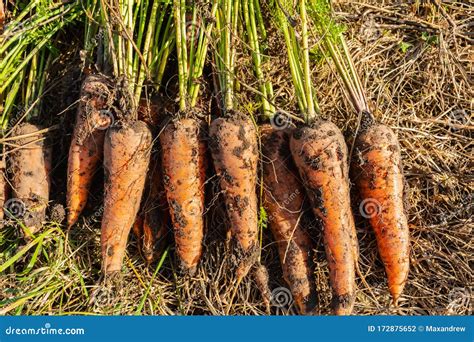
Before diving into storage methods, proper preparation is key to extending the life of your carrots. Harvest carrots before the first hard frost, ideally when the soil is slightly dry. Gently loosen the soil around them, then pull them up carefully to avoid bruising. Remove the green tops immediately, as they draw moisture from the roots and will cause them to soften quickly. Leave about an inch of the stem attached. Brush off any excess soil, but avoid washing the carrots unless absolutely necessary, as moisture can encourage rot.
Method 1: Storing in Sand (or Sawdust/Peat Moss)
This classic method mimics the conditions of a root cellar by providing a cool, dark, and slightly humid environment. It’s excellent for keeping carrots firm and crisp for several months.
What You’ll Need:
- Large plastic bins, wooden crates, or heavy-duty cardboard boxes
- Clean, sterile builder’s sand, sawdust, or peat moss (avoid garden soil as it may contain pests or diseases)
- A cool, dark spot in your home (e.g., unheated basement, garage, or even a cool closet)
How to Do It:
- Add a 1-2 inch layer of your chosen medium (sand, sawdust, or peat moss) to the bottom of your container.
- Arrange a single layer of carrots on top, ensuring they don’t touch each other.
- Cover the carrots with another 1-2 inch layer of the medium.
- Continue layering carrots and medium until the container is full, finishing with a top layer of the medium.
- Lightly dampen the medium (if using sand or peat moss) with a spray bottle – it should feel slightly moist, not wet. This helps maintain humidity.
- Place the container in your chosen cool, dark location. The ideal temperature is between 35-40°F (1-4°C).
Periodically check your carrots for any signs of spoilage; remove any affected carrots immediately to prevent the spread.
Method 2: Refrigerator Storage for Shorter Periods
For smaller batches or if you plan to use them within a few weeks to a month, your refrigerator can serve as a temporary root cellar.
How to Do It:
- Trim off the tops completely, leaving no green.
- Wash and dry the carrots thoroughly.
- Place them in an airtight container or a perforated plastic bag (to allow for some air circulation while maintaining humidity) lined with a paper towel to absorb excess moisture.
- Store in the crisper drawer of your refrigerator.
Change the paper towel if it becomes too wet. Carrots stored this way can last 3-4 weeks, sometimes longer.
Method 3: Blanching and Freezing for Long-Term Preservation
Freezing is an excellent option for long-term storage (up to a year) and allows you to enjoy prepped carrots in stews, soups, or stir-fries throughout winter.
How to Do It:
- Wash, peel, and chop your carrots into desired sizes (slices, diced, whole baby carrots).
- Bring a large pot of water to a rolling boil. Prepare an ice bath in a separate large bowl.
- Blanch the carrots: Drop the prepped carrots into the boiling water. Blanch small carrots or slices for 2 minutes, and diced or whole baby carrots for 3-5 minutes.
- Immediately transfer the blanched carrots from boiling water to the ice bath to stop the cooking process. This preserves color, texture, and nutrients.
- Once thoroughly chilled (about the same amount of time they blanched), drain the carrots well.
- Spread the carrots in a single layer on a baking sheet and freeze until solid (this prevents them from clumping together).
- Transfer the frozen carrots to freezer bags or airtight containers, removing as much air as possible. Label and date them.
Frozen carrots are perfect for cooking directly from the freezer; no thawing needed for most recipes.
Other Preservation Methods: Canning and Dehydrating
While not strictly “storage” in the fresh sense, canning and dehydrating are excellent ways to preserve carrots for very long periods, transforming them into shelf-stable ingredients.
- Canning: Pressure canning is required for non-acidic vegetables like carrots. They can be canned whole, sliced, or diced in jars, submerged in water or broth.
- Dehydrating: Thinly sliced or shredded carrots can be dried in a food dehydrator or oven. Once crispy, store them in airtight containers. Rehydrate them later for soups or stews, or even grind them into carrot powder for seasoning.
Tips for Success and Common Pitfalls
- Choose the Right Varieties: Some carrot varieties store better than others. Look for storage varieties like ‘Danvers 126’, ‘Nantes’, or ‘Imperator’.
- Handle Gently: Bruised or damaged carrots will spoil faster.
- Check Regularly: No matter the method, inspect your stored carrots every few weeks and remove any that show signs of spoilage (soft spots, mold, strong odor).
- Control Humidity: Too dry, and carrots shrivel; too wet, and they rot. The sand/sawdust method helps regulate this naturally.
Conclusion
Don’t let the lack of a root cellar deter you from enjoying your garden carrots all winter long. By employing methods like sand storage, thoughtful refrigeration, or long-term freezing, you can extend your harvest and savor the flavor of homegrown produce long after the last frost. Experiment with these techniques to find what works best for your home and enjoy a continuous supply of fresh, nutritious carrots.