
How to store garden herbs fresh longer for homemade meals?

There’s nothing quite like the burst of fresh flavor that garden herbs bring to a homemade meal. However, keeping those delicate leaves vibrant and aromatic beyond harvest day can be a challenge. With a few simple techniques, you can extend the life of your fresh herbs, making sure they’re ready to elevate your cooking whenever inspiration strikes.
The Basics: Understanding Herb Lifespans
Before diving into storage methods, it’s helpful to understand that not all herbs are created equal when it comes to longevity. Tender herbs like basil, cilantro, parsley, and mint typically wilt faster than woody herbs like rosemary, thyme, and oregano. Proper handling right after harvesting is crucial for any method you choose.
Short-Term Freshness: Refrigeration Techniques
For herbs you plan to use within a week or two, refrigeration is your best bet, but the method varies by herb type.
For Stems in Water (Basil, Mint, Cilantro)
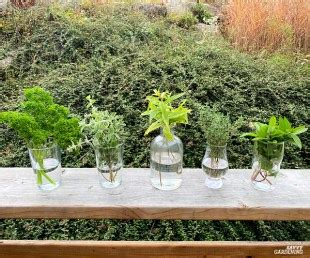
Tender herbs that love moisture, like basil, mint, cilantro, and sometimes parsley, thrive when treated like a bouquet of flowers. Trim the bottoms of the stems, remove any leaves that would fall below the waterline, and place them upright in a glass jar with an inch or two of water. Loosely cover the herbs with a plastic bag to create a mini-greenhouse effect and refrigerate (except for basil, which prefers room temperature).
For Wrapped Herbs (Parsley, Dill, Thyme)
Most other herbs, including parsley, dill, chives, tarragon, thyme, and rosemary, do well wrapped in a lightly damp paper towel. Gently roll the herbs in the damp towel, then place the bundle inside a resealable plastic bag or an airtight container. Store this in the crisper drawer of your refrigerator. The dampness prevents drying, while the bag maintains humidity.
Medium-Term Storage: Freezing Your Harvest
Freezing is an excellent way to preserve herbs for several months, perfect for adding a touch of summer to winter dishes. While they won’t have the crisp texture of fresh herbs, their flavor will remain largely intact.
Ice Cube Trays with Oil or Water
A popular method involves chopping herbs finely and packing them into ice cube trays. You can then cover them with olive oil, melted butter, or even water. Once frozen solid, pop out the cubes and transfer them to a freezer-safe bag. These herb-infused cubes are perfect for sautéing, soups, stews, and sauces, melting directly into your hot dishes.
Freezing Whole or Chopped Herbs
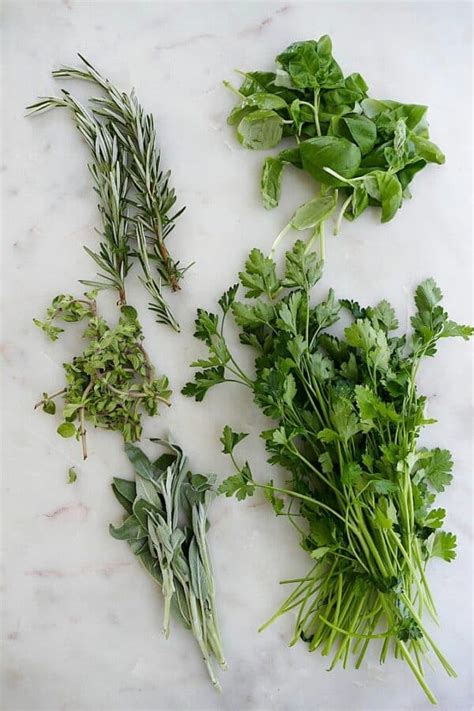
For some herbs, like chives, dill, or even basil, you can simply chop them and spread them in a single layer on a baking sheet to freeze. Once frozen, transfer them to a freezer-safe bag or container. This prevents clumping and allows you to grab just the amount you need. Woody herbs like rosemary and thyme can often be frozen whole on the stem.
Long-Term Preservation: Drying Herbs
Drying is perhaps the oldest method of herb preservation and is ideal for woody herbs, as their flavor concentrates beautifully. Dried herbs can last for up to a year or more when stored correctly.
Air Drying for Aromatic Herbs
Herbs like rosemary, thyme, oregano, marjoram, and sage are excellent candidates for air drying. Gather small bunches, tie them with twine, and hang them upside down in a warm, dry, well-ventilated area away from direct sunlight. They are fully dried when the leaves easily crumble from the stem, usually within one to three weeks. For dusty environments, you can loosely cover bunches with a paper bag (perforated for air circulation).

Using a Dehydrator or Oven
A food dehydrator provides a controlled environment for drying a wider variety of herbs efficiently. Follow the manufacturer’s instructions for temperature and time. You can also use your oven at its lowest setting (ideally below 100°F or 38°C) with the door slightly ajar to allow moisture to escape. Spread herbs in a single layer on a baking sheet and turn them occasionally until crisp.

Additional Tips for Maximizing Freshness
- Harvesting: Harvest herbs in the morning after the dew has dried but before the sun gets too hot, as this is when their essential oils are most concentrated.
- Cleaning: Gently wash herbs only if visibly dirty. Excess moisture can lead to spoilage. Pat them thoroughly dry before storing.
- Storage Containers: Always use airtight containers for dried herbs to protect them from moisture and light, which can degrade their flavor and color.
- Labeling: No matter the method, always label your stored herbs with the herb name and the date of preservation.
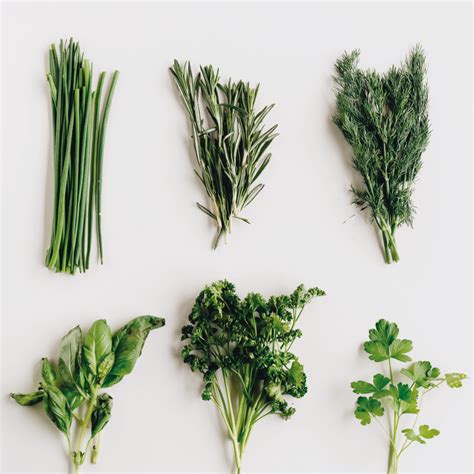
By implementing these various storage techniques, you can significantly extend the life and flavor of your garden herbs. This means less waste, more vibrant homemade meals, and the satisfying feeling of enjoying your garden’s bounty all year round.