How to store root vegetables all winter without a root cellar?
For many who embrace country living, a bountiful harvest of root vegetables is a cornerstone of self-sufficiency. Carrots, potatoes, beets, parsnips, and turnips all offer nutritious sustenance throughout the colder months. However, the traditional method of long-term storage often involves a root cellar – a luxury not everyone possesses. The good news is that with a bit of ingenuity and understanding of basic preservation principles, you can successfully store your root vegetables all winter long without one.
Understanding the Principles of Root Vegetable Storage
The core idea behind storing root vegetables is to mimic the conditions of an ideal root cellar: cool temperatures, high humidity, darkness, and good air circulation. These conditions slow down respiration and inhibit sprouting, rotting, and wilting. When you lack a dedicated root cellar, the goal is to create these microclimates using alternative methods.
Outdoor Storage Solutions
Nature itself can provide excellent storage conditions if leveraged correctly. These methods utilize the earth’s natural insulation to maintain a consistent, cool temperature.
Buried Containers (The DIY Root Cellar)
One of the most effective outdoor methods is to bury containers. This technique works well for a variety of root crops. Dig a hole in a well-drained spot in your garden that’s deep enough to accommodate your chosen container – a clean, sturdy plastic trash can with a lid, an old barrel, or even a large cooler will work. Line the bottom with a layer of straw or sand. Layer your vegetables, ensuring they are clean and dry, separating layers with more straw, sand, or sawdust to prevent them from touching and spreading potential rot. Place the lid on your container and cover the whole thing with at least 12-18 inches of soil, then a thick layer of straw or hay for extra insulation. Mark the spot so you can find it later!

Storage Pits or Mounds
For larger quantities, a storage pit or mound can be ideal. Choose a raised, well-drained area. Dig a shallow trench or simply pile your clean, dry root vegetables into a conical mound directly on the ground. Cover the pile generously with a thick layer of straw, then a layer of soil, and finally another layer of straw or leaves for maximum insulation against freezing temperatures. Ensure there’s a small opening or a vent pipe to allow for some air circulation and prevent condensation.
Indoor Alternatives to a Root Cellar
Many homes have untapped potential for cool, dark storage spots that can rival a root cellar.
Unheated Basement or Garage
If you have an unheated basement, a corner of a garage, or even a seldom-used utility room that stays consistently cool (ideally between 35-50°F / 2-10°C) and dark, you have an excellent storage option. Monitor the temperature and humidity. For humidity, a bucket of water or damp sand can help, or you can store vegetables in bins of slightly damp sand, sawdust, or peat moss to maintain moisture.

Cool Closets or Pantries
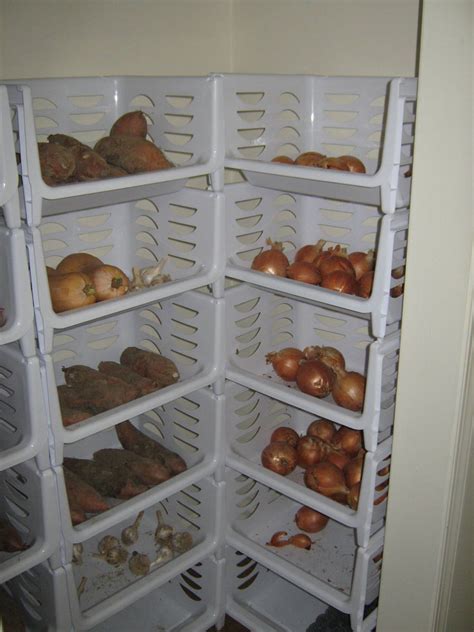
For smaller batches, a cool closet or pantry that’s away from heat sources and doesn’t get much light can work. Keep vegetables in breathable bags (burlap, mesh) or bins, elevated from the floor for air circulation. Again, a bit of moisture management might be necessary for certain vegetables.
Creative Storage Mediums
The right medium can make all the difference in preserving freshness and preventing spoilage.
Sand, Sawdust, or Peat Moss Bins
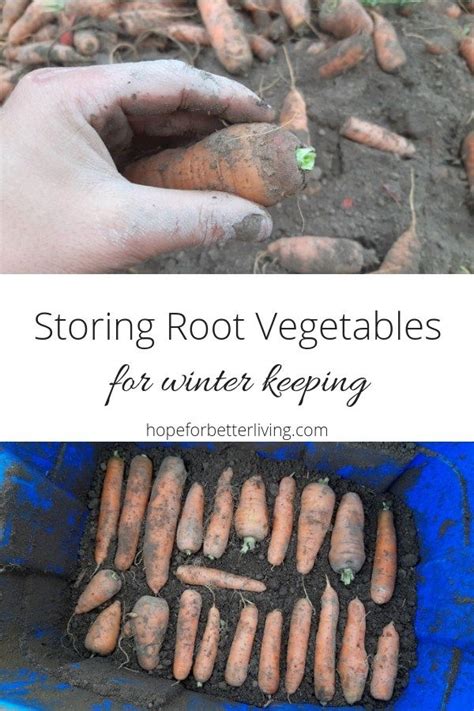
This is a classic and highly effective method for storing carrots, beets, parsnips, and turnips. Find large, sturdy bins or wooden crates. Layer about an inch of slightly damp (not wet!) sand, sawdust, or peat moss at the bottom. Place a single layer of root vegetables, making sure they don’t touch each other, then cover with another inch of your chosen medium. Repeat layers until the bin is full. The medium helps to maintain humidity and prevents moisture loss from the vegetables, keeping them firm and crisp for months. Store these bins in your unheated basement, garage, or even a cool porch.

Preparing Your Harvest for Storage
Proper preparation is crucial for successful long-term storage, regardless of the method you choose.
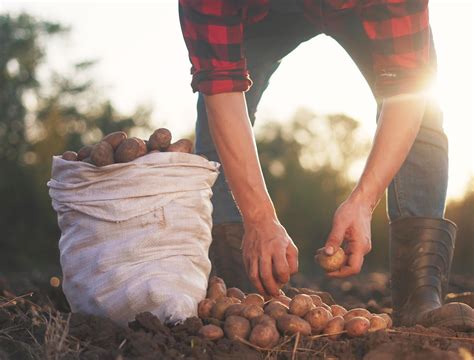
- Harvest Carefully: Dig, don’t pull, most root vegetables to avoid damaging them.
- Cure Some Crops: Potatoes, sweet potatoes, and winter squash benefit from a curing period (typically a week or two at warmer temperatures with good air circulation) to toughen skins and heal minor wounds.
- Clean Gently: Brush off excess dirt, but avoid washing most vegetables as moisture can encourage rot.
- Trim Tops: For carrots, beets, and parsnips, trim the leafy tops down to about an inch to prevent the roots from trying to resprout and drawing moisture from the vegetable.
- Inspect for Damage: Only store perfect, unblemished vegetables. Any bruised or cut vegetables should be used first, as they will spoil quickly and can contaminate others.
Monitoring and Maintenance
Regularly check your stored vegetables (every few weeks) for any signs of spoilage, mold, or sprouting. Remove any compromised vegetables immediately to prevent them from affecting their neighbors. Good air circulation is key, so ensure bins are not completely sealed unless specifically instructed for a particular method.
Specific Vegetable Considerations
- Potatoes: Store in dark, cool (35-45°F / 2-7°C), humid conditions. Avoid light to prevent greening.
- Carrots, Beets, Parsnips, Turnips: Excellent candidates for sand/sawdust storage or outdoor pits, requiring high humidity and cool temperatures.
- Onions and Garlic: Prefer cool, dry conditions with good air circulation, often stored by braiding or hanging in mesh bags. They do not need high humidity.
While a dedicated root cellar offers optimal conditions, its absence doesn’t mean you can’t enjoy your homegrown root vegetables all winter. By understanding the needs of your harvest and implementing these creative storage solutions, you can preserve the bounty of your garden for months to come, bringing fresh, wholesome food to your table even when snow covers the ground.