
How to store root vegetables through winter without a root cellar?
The Quest for Winter Harvests Without a Root Cellar
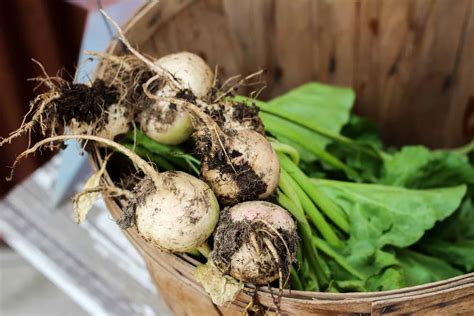
For many who embrace country living or simply love the idea of homegrown produce, the dream of fresh garden vegetables extending through winter is highly appealing. However, not everyone is blessed with a traditional root cellar – a naturally cool, humid, and dark space perfect for long-term storage. The good news is that a lack of a dedicated root cellar doesn’t mean you have to forgo your winter bounty. With a bit of ingenuity and understanding of your vegetables’ needs, you can successfully store root crops for months using alternative methods available in most homes and gardens.

Understanding the Needs of Root Vegetables
Root vegetables, such as carrots, potatoes, beets, parsnips, and turnips, are generally hardy and designed by nature to store energy underground. Their ideal storage conditions mimic their natural environment: cool temperatures (typically 35-50°F or 2-10°C), high humidity (around 85-95%), and darkness. Crucially, they need good air circulation to prevent mold and rot, and must be protected from freezing, which turns them mushy, and from drying out, which makes them shrivel.
Before storing, proper preparation is key. Harvest roots before a hard freeze. Gently brush off excess dirt but avoid washing them, as moisture can encourage spoilage. Cure certain vegetables like potatoes and sweet potatoes in a warm, humid environment for a week or two to toughen their skins and heal any nicks, significantly improving their storage life. Trim leafy tops from carrots, beets, and turnips, leaving about an inch of stem.
Clever Storage Solutions for Your Home and Garden
Method 1: Layering in Sand, Sawdust, or Peat Moss
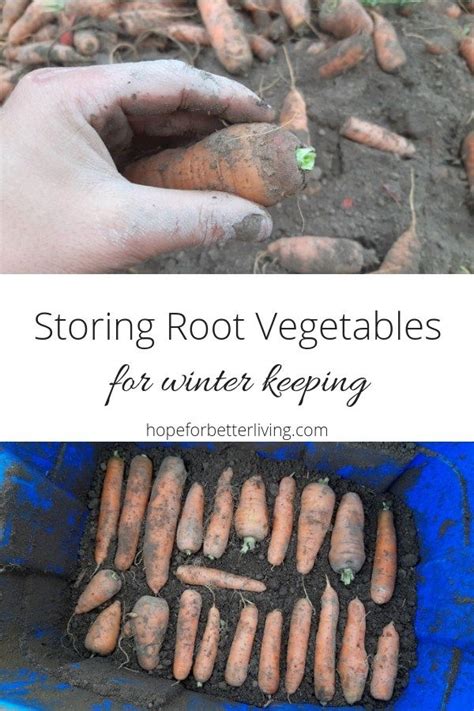
This method is excellent for carrots, parsnips, beets, and turnips. The damp medium provides both humidity and protection from light and air. You’ll need large bins, buckets, or sturdy wooden crates. A layer of damp (not wet) sand, sawdust, or peat moss goes on the bottom, followed by a single layer of vegetables, ensuring they don’t touch. Cover them completely with more medium, and repeat the layers until the container is full. Store the container in a cool, dark place like an unheated basement corner, garage, or shed.

Method 2: Outdoor Trench or Mound Storage
If you have garden space and live in a climate where the ground doesn’t freeze too deeply, an insulated outdoor trench or mound can act as a natural root cellar. This method is particularly good for carrots, potatoes, and even cabbage. Dig a shallow trench (about a foot deep) or create a mound on well-drained soil. Line it with a thick layer of straw, place your vegetables, then cover with more straw and at least 1-2 feet of soil. Mark the spot clearly! Ensure good drainage to prevent waterlogging. For easier access during winter, consider covering a smaller section at a time or making several smaller mounds.

Method 3: Utilizing Cool, Dark Spaces Indoors
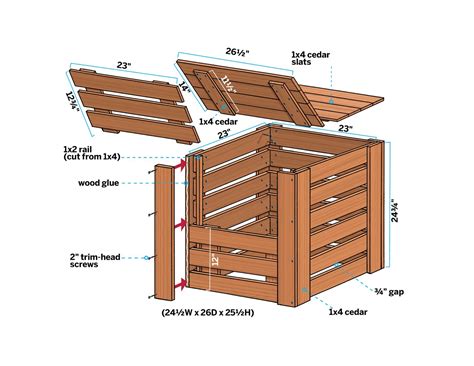
Many homes have an unheated basement, a garage, or even a seldom-used pantry that maintains stable cool temperatures (ideally 35-50°F / 2-10°C) and darkness. These spaces can be perfect for storing potatoes, onions (separately from potatoes!), and winter squash. Store vegetables in breathable containers like slatted wooden crates, mesh bags, or burlap sacks. Avoid airtight plastic bags, which trap moisture and promote spoilage. Good air circulation is paramount, so don’t stack containers too tightly.
Method 4: Refrigeration (Short-to-Medium Term)
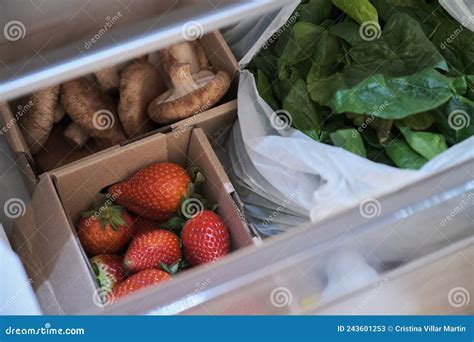
While not for bulk storage, your refrigerator’s crisper drawer is excellent for smaller quantities of root vegetables like carrots, beets, radishes, and turnips. Trim all greens to prevent moisture loss. Place them in perforated plastic bags or wrap them in slightly damp paper towels inside a plastic bag to maintain optimal humidity. Most can last several weeks this way, offering fresh additions to your meals.
Essential Tips for Long-Term Success
- Regular Checks: Periodically inspect your stored vegetables, at least once a month. Remove any showing signs of rot, mold, or sprouting immediately to prevent the spread to healthy produce.
- Ventilation: Ensure adequate airflow around and between storage containers, regardless of the method used.
- Compatibility: Be aware that some fruits and vegetables emit ethylene gas (e.g., apples, ripening bananas, onions), which can accelerate the spoilage of other produce, especially potatoes. Always store ethylene producers separately from root vegetables.
Enjoying Your Winter Bounty
Storing root vegetables through winter without a root cellar is not only feasible but incredibly rewarding. It extends your harvest, reduces food waste, and provides fresh, nutritious ingredients during the colder months. Experiment with these methods to find what works best for your specific climate, available space, and the types of vegetables you grow. With a little planning and effort, you can enjoy the delicious fruits of your labor long after the growing season has ended.