How to stretch seasonal garden gluts into frugal, delicious real food meals?

Embrace the Bounty: Turning Garden Gluts into Gold
There’s immense joy in watching your garden flourish, but sometimes, the harvest can be overwhelming. A sudden glut of zucchini, an explosion of tomatoes, or an endless supply of berries can quickly turn delight into a dilemma: how to use it all before it spoils? The good news is that with a little planning and creativity, those seasonal garden gluts can be transformed into frugal, delicious real food meals that nourish your family long after the growing season ends.
Embracing a ‘waste not, want not’ philosophy not only saves money but also ensures you’re enjoying the freshest, most nutritious produce possible. This guide will walk you through effective strategies and versatile recipes to make the most of your garden’s generosity.
Master the Art of Preservation
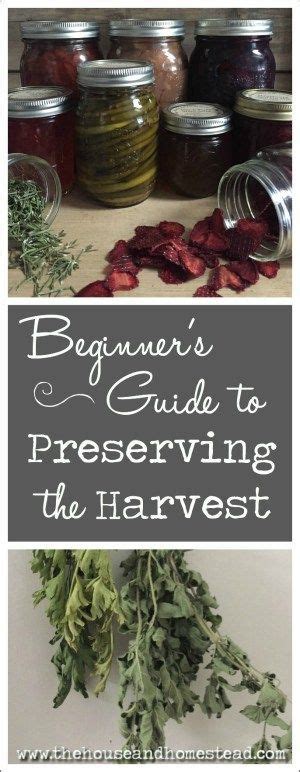
When faced with an abundance, preservation is your best friend. These methods extend the life of your produce, allowing you to enjoy summer’s bounty in the depths of winter.
- Freezing: One of the easiest methods. Blanch vegetables like green beans, broccoli, and corn before freezing. Fruits such as berries, peaches, and plums can be frozen whole or sliced. Herbs can be chopped and frozen in ice cube trays with a little water or oil.
- Canning: Ideal for creating shelf-stable goods. Think tomato sauce, salsa, pickles, jams, and fruit preserves. Always follow tested recipes for safety.

- Drying: A great way to preserve herbs, fruits (fruit leather!), and even certain vegetables like tomatoes. A dehydrator makes this simple, but an oven on its lowest setting or even sun-drying (in suitable climates) can work.
- Fermenting: Transform cabbage into sauerkraut, cucumbers into lacto-fermented pickles, or other vegetables into kimchi. Fermented foods are not only preserved but also offer incredible probiotic benefits.
Versatile Recipes for Every Harvest
Beyond preservation, knowing a few adaptable recipes can help you tackle fresh gluts with ease. The key is to have flexible base recipes that can incorporate almost any vegetable or fruit.
- Soups and Stews: A classic solution! Almost any vegetable can find a home in a hearty soup or stew. Roast your glut vegetables first for deeper flavor, then combine with broth, beans, and grains.
- Frittatas, Quiches, and Bakes: Eggs are fantastic binders for excess vegetables. Sauté your garden greens, zucchini, peppers, or tomatoes, mix with whisked eggs and cheese, then bake. These are perfect for breakfast, lunch, or a light dinner.

- Stir-fries and Roasted Vegetables: Quick, easy, and endlessly customizable. Chop up your surplus, toss with oil and seasonings, then stir-fry or roast until tender and slightly caramelized. Serve as a side or add protein for a complete meal.
- Pesto and Sauces: Beyond basil, try pestos with kale, spinach, or radish greens. Transform excess tomatoes into a rich marinara sauce.
Creative Ways with Common Gluts
Some vegetables are notorious for their prolific nature. Here’s how to tackle a few common gluts:
Zucchini & Summer Squash
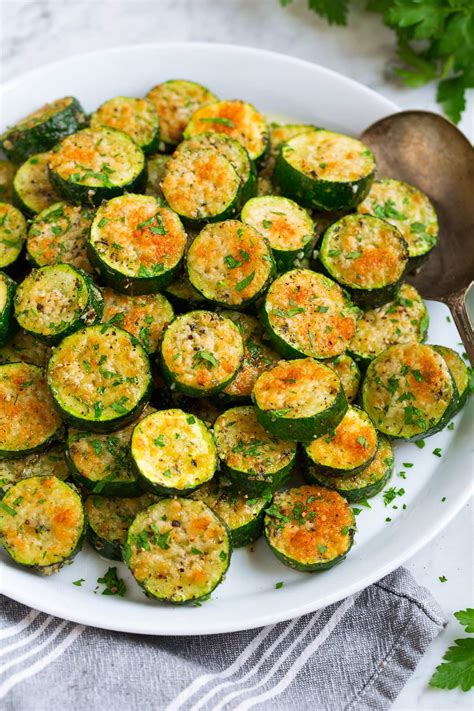
Oh, the mighty zucchini! Beyond zucchini bread, try making zucchini noodles, gratin, fritters, or even grilling thick slices. Shred it and freeze in portions to add to smoothies, muffins, or sauces later.
Tomatoes
When the tomatoes ripen en masse, think big batch! Make tomato sauce, salsa, ketchup, or roast them to intensify their sweetness, then freeze the roasted tomatoes or blend them into a soup base. Sun-dried tomatoes are another excellent option.
Berries
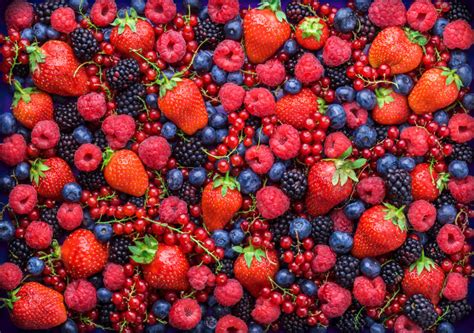
Strawberries, raspberries, blueberries – they’re a treat, but perishable. Freeze them for smoothies, make jams and jellies, or bake pies and crumbles. Berry vinegar and fruit leather are also delightful ways to use them up.
Greens (Kale, Spinach, Chard)
Sauté them, add to smoothies, make green juice, or blanch and freeze for later use in soups and casseroles. Pesto made from hearty greens is surprisingly delicious.
Strategic Cooking and Community Sharing
Don’t underestimate the power of batch cooking. Dedicate a day to processing your gluts into components for future meals – chopped onions, blanched vegetables, roasted sauce bases. Package them in meal-sized portions and freeze.
Finally, don’t forget your community! Share your excess with neighbors, friends, or local food banks. A garden swap can be a fantastic way to diversify your own pantry while helping others make the most of their harvests.

Savor the Season, All Year Long
Transforming garden gluts into delicious, frugal meals is a rewarding process that connects you more deeply with your food and the seasons. By embracing preservation techniques and versatile recipes, you can ensure that the fruits (and vegetables!) of your labor nourish you and your family with wholesome, real food goodness throughout the entire year. Happy harvesting, and happy cooking!