


How to substitute farm-fresh dairy in old family scratch recipes?
Old family scratch recipes carry a legacy of flavor, tradition, and often, a reliance on the rich, unadulterated dairy products once readily available from local farms. As our dairy landscape has evolved, with standardized, pasteurized, and homogenized options dominating supermarket shelves, recreating those authentic tastes can be a delightful challenge. Understanding the nuances of farm-fresh dairy and how to mimic its qualities is key to unlocking the true essence of your grandmother’s pie, your great-aunt’s creamed spinach, or that beloved rustic bread.
Understanding the Dairy Difference
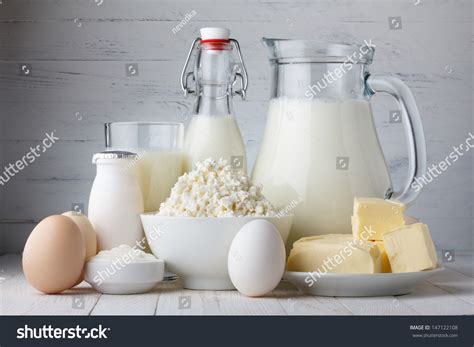
Farm-fresh dairy, particularly from pastured animals, often boasts a higher fat content, a richer flavor profile, and a more robust texture compared to its commercially processed counterparts. Raw milk, for instance, has a full-bodied cream line and a distinctive sweetness. Traditional butter might be higher in butterfat, leading to flakier crusts and richer sauces. Modern dairy is engineered for consistency, longer shelf life, and often lower fat content, which can subtly alter the chemistry and flavor balance of older recipes.
The absence of homogenization in traditional dairy also means fat globules are larger, affecting mouthfeel and how liquids separate or emulsify. Pasteurization, while essential for safety, can also affect the subtle flavor notes and enzyme activity that contribute to the final product in complex ways. Knowing these differences helps in making informed substitutions.
Key Substitutions by Dairy Type
Milk
Many old recipes simply call for ‘milk,’ which almost certainly implied full-fat, unprocessed whole milk. If your recipe assumes this richness, avoid skim or low-fat milk. Opt for whole milk, and if you want to enhance the richness, consider adding a tablespoon or two of heavy cream per cup of milk, or even a small pat of unsalted butter, especially in baked goods where fat contributes to tenderness.
Cream
Traditional ‘cream’ was often much thicker and richer than what we commonly find labeled as ‘heavy cream’ today. If a recipe calls for a very thick cream, like for whipping or making sauces, consider using European-style heavy cream (which typically has a higher butterfat percentage) or even crème fraîche. For recipes requiring a slightly less rich cream, a good quality whipping cream can work, but be mindful of its slightly lower fat content.

Butter
Farm-fresh butter was often churned from high-fat cream. To replicate this, seek out European-style butter, which typically has an 82-84% butterfat content compared to the standard 80% in American butter. This higher fat content yields superior flavor, a silkier mouthfeel, and can significantly impact the flakiness of pastries and the richness of sauces.
Buttermilk and Cultured Dairy
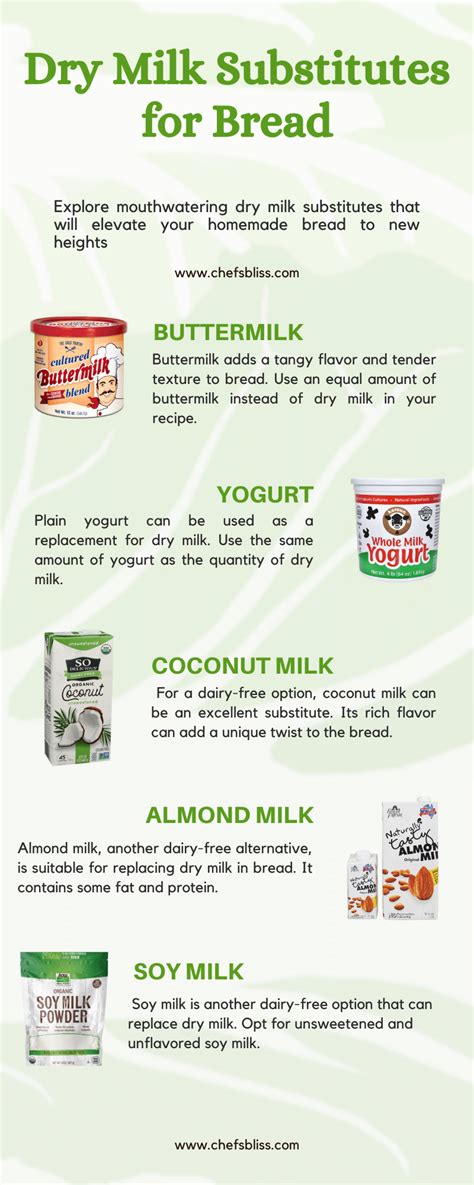
Old recipes might have used naturally soured milk or traditional cultured buttermilk, which can be thicker and more complex in flavor than modern cultured buttermilk. If you can’t find traditional buttermilk, you can often make a good substitute by adding 1 tablespoon of lemon juice or white vinegar to a cup of whole milk and letting it sit for 5-10 minutes until it slightly curdles. For added richness, consider using whole milk or even light cream for this trick.
![Easy Homemade Buttermilk Substitute [Video] - Mommy's Home Cooking](/images/aHR0cHM6Ly90czIubW0uYmluZy5uZXQvdGg/aWQ9T0lQLmJHM1JVU0lUanJFY0dtZVFHc3ZHNmdIYUtYJnBpZD0xNS4x.webp)
Tips for Successful Dairy Adaptation
Adjusting Hydration
Higher fat dairy contains less water than lower-fat versions. When substituting with richer dairy, you might need to slightly reduce other liquids in the recipe to maintain the intended consistency, especially in batters and doughs. Conversely, if you’re using lower-fat options, you might need a tiny bit more liquid.
Fat Content Matters
Fat is a flavor carrier and contributes significantly to the texture of baked goods and dishes. It tenderizes cakes, makes pie crusts flaky, and adds body to sauces. Don’t be afraid to add a small amount of extra butter or cream if your dish tastes too lean or dry with modern dairy.
Taste and Texture Testing
The best way to ensure success is to taste and observe. For sauces and custards, check for proper thickness and richness. For baked goods, pay attention to the dough or batter consistency. Small adjustments can make a big difference.

Embrace the Experimentation
Bringing old family recipes back to life with the right dairy often involves a little bit of educated guesswork and experimentation. Don’t be discouraged if your first attempt isn’t perfect. Keep notes on what works and what doesn’t. You might discover that a combination of a higher-fat milk and a touch of extra butter is the secret to recreating that cherished texture.

By understanding the characteristics of farm-fresh dairy and making thoughtful substitutions, you can honor your culinary heritage and ensure that those beloved scratch recipes continue to bring joy and deliciousness to your family for generations to come. Happy cooking!