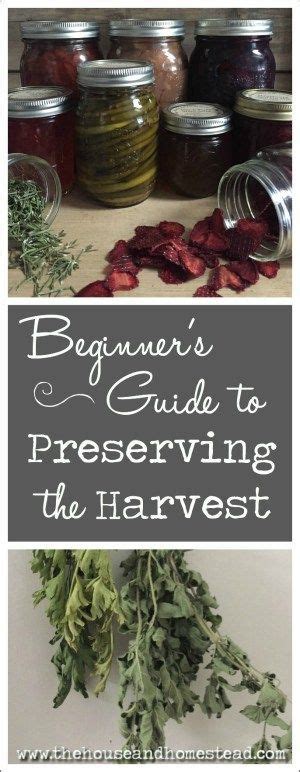
How to successfully preserve garden gluts for year-round real food meals?
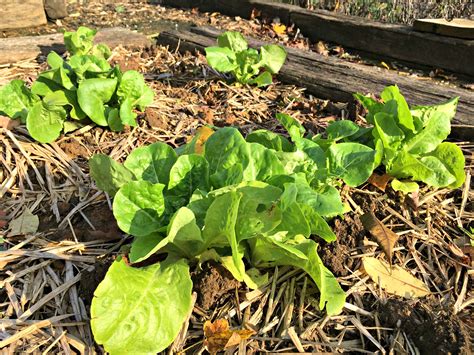
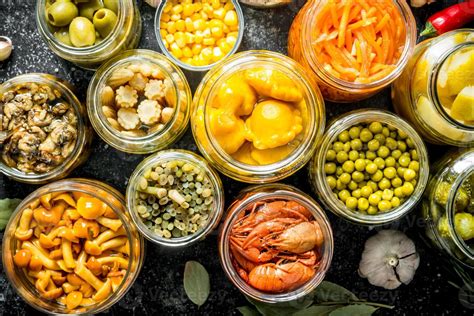
The satisfaction of a thriving garden is unparalleled, but with abundance often comes the delightful challenge of a “glut” – more produce than you can possibly eat fresh. Instead of letting your hard work go to waste, preserving these garden treasures allows you to extend the harvest, enjoy real food meals year-round, and truly savor the fruits (and vegetables!) of your labor. This guide will walk you through successful preservation techniques to transform your seasonal bounty into lasting culinary delights.

Essential Preservation Methods for Every Gardener
There are numerous ways to preserve food, each suited for different types of produce and desired outcomes. Combining several methods will give you the most versatile pantry.
1. Freezing: The Quick and Easy Method
Freezing is arguably the simplest and most accessible preservation method for most home gardeners. It works wonderfully for a wide array of fruits and vegetables, maintaining much of their flavor, color, and nutritional value. The key is proper preparation.
- Vegetables: Most vegetables, like green beans, peas, corn, broccoli, and spinach, benefit from blanching (briefly boiling then plunging into ice water) before freezing. This stops enzyme action that can cause deterioration in flavor and texture.
- Fruits: Berries, sliced peaches, and cherries can often be frozen raw, either spread on a baking sheet first to prevent clumping, or packed directly with a little sugar or syrup.
- Herbs: Chop herbs and freeze them in ice cube trays with a little water or olive oil for easy additions to winter stews and sauces.

2. Canning: Shelf-Stable Goodness
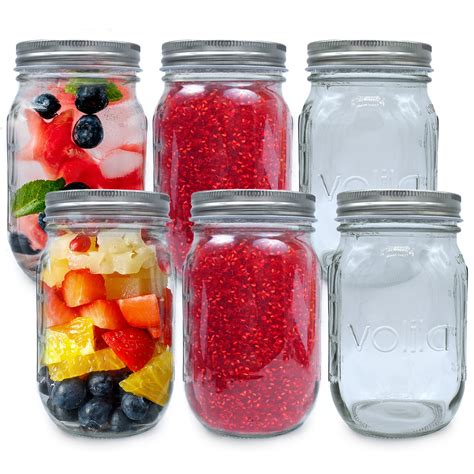
Canning provides shelf-stable food that doesn’t require refrigeration, making it an excellent option for long-term storage. There are two main types:
- Water Bath Canning: Ideal for high-acid foods like fruits, jams, jellies, pickles, and tomato products (often with added acidity). The jars are submerged in boiling water for a specified time to create a vacuum seal.
- Pressure Canning: Essential for low-acid foods such as vegetables (green beans, corn, carrots), meats, and combination meals (soups, stews). A pressure canner heats food to a much higher temperature than boiling water, killing spores that can cause botulism. Never skip pressure canning for low-acid foods.
Always follow tested recipes from reliable sources (like extension offices or reputable canning guides) to ensure food safety.
3. Dehydrating: Compact and Flavorful
Dehydrating removes water content from food, inhibiting microbial growth and concentrating flavors. This method is great for creating lightweight snacks, ingredients for baking, or potent seasonings.
- Fruits: Make fruit leathers, apple chips, or dried berries.
- Vegetables: Create sun-dried tomatoes, dried mushrooms, or vegetable powders for soups and broths.
- Herbs: Drying herbs is a classic way to preserve their aromatic qualities for cooking and teas.
4. Fermenting: Probiotic-Rich and Tangy
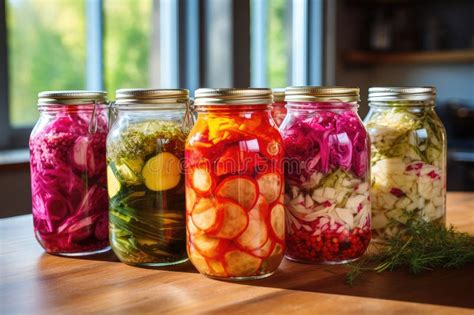
Fermentation is an ancient preservation technique that uses beneficial bacteria to transform food, creating unique flavors and often enhancing nutritional value with probiotics. It’s a fantastic way to preserve cabbage, cucumbers, and other vegetables.
- Sauerkraut & Kimchi: Cabbage fermented with salt.
- Pickles: Lacto-fermented cucumbers are crisp and tangy.
- Hot Sauce: Fermented peppers offer complex heat.
Tips for Successful Preservation and Year-Round Meals
- Harvest at Peak Freshness: The quality of your preserved food directly reflects the quality of the fresh produce. Harvest at its prime.
- Work in Batches: Don’t wait until you have an overwhelming amount. Process smaller batches regularly.
- Cleanliness is Key: Sanitize all equipment, jars, and work surfaces thoroughly, especially for canning and fermenting.
- Label Everything: Include the item, date, and method of preservation. This prevents guesswork later.
- Invest in Good Equipment: A quality freezer, dehydrator, or pressure canner can make a significant difference in ease and safety.
- Plan Your Meals: Think about how you’ll use your preserved items throughout the year. Canned tomatoes for pasta sauce, frozen berries for smoothies, dried herbs for winter stews – the possibilities are endless!
Conclusion
Preserving your garden gluts is a rewarding endeavor that connects you more deeply to your food source and provides a pantry full of wholesome ingredients. By employing a mix of freezing, canning, dehydrating, and fermenting, you can ensure that your garden’s generosity nourishes you and your family with real food meals long after the growing season has ended. Embrace the bounty and enjoy the delicious journey!