How to sustainably compost kitchen scraps & garden waste for rich soil?

Composting is a cornerstone of sustainable living, a natural process that transforms organic waste into a valuable soil amendment. For those embracing country living or simply aiming for a greener lifestyle, mastering the art of composting kitchen scraps and garden waste is key to cultivating a thriving garden while significantly reducing household waste.
The Magic of Composting: Why Bother?
Beyond waste reduction, composting offers a myriad of benefits. It creates nutrient-rich humus, often referred to as “black gold,” which enriches your garden soil, improves its structure, enhances water retention, and provides essential nutrients for plant growth. This natural fertilizer reduces the need for chemical inputs, fostering a healthier ecosystem in your backyard.
Furthermore, composting converts organic materials from landfills, where they would otherwise decompose anaerobically, producing methane—a potent greenhouse gas. By actively composting, you contribute directly to mitigating climate change and promoting a circular economy within your own home and garden.

Understanding Your Composting Ingredients: Greens & Browns
A successful compost pile relies on a balanced mix of “greens” (nitrogen-rich materials) and “browns” (carbon-rich materials). Aim for roughly a 2:1 or 3:1 ratio of browns to greens by volume for optimal decomposition.
Greens (Nitrogen Sources):
- Fruit and vegetable scraps
- Coffee grounds and tea bags
- Grass clippings (in moderation to avoid matting)
- Manure from herbivores (chicken, cow, horse)
- Fresh plant trimmings
Browns (Carbon Sources):
- Fallen leaves
- Straw and hay
- Shredded newspaper and cardboard (non-glossy)
- Wood chips and sawdust (in moderation)
- Dead plants and twigs
What NOT to Compost
To keep your compost healthy and avoid attracting pests or introducing pathogens, steer clear of these items:
- Meat, bones, and fish scraps (attract pests, can smell)
- Dairy products and oily foods (attract pests, can smell)
- Diseased plants (can spread pathogens)
- Weeds with seeds (can spread weeds)
- Pet waste (dogs, cats – can contain harmful bacteria)
- Chemically treated wood or plants
Choosing Your Composting Method
There’s a composting method for every space and preference. Consider your available space, the amount of waste you generate, and how quickly you want results.
Open Piles: Simple and effective for larger gardens. They require regular turning and can be less tidy.
Compost Bins: Enclosed structures (wire mesh, plastic, wood) that contain the pile, making it tidier and sometimes helping to retain heat. Many designs are available, from DIY to ready-made.
Compost Tumblers: Sealed barrels that rotate, making turning the compost effortless. They often speed up decomposition due to better aeration and heat retention, but their capacity can be limited.

The Art of a Successful Compost Pile
Building and maintaining a vibrant compost pile involves a few key principles:
- Layering: Start with a base of coarse browns (twigs, straw) for drainage and airflow. Then alternate layers of greens and browns, wetting each layer as you go.
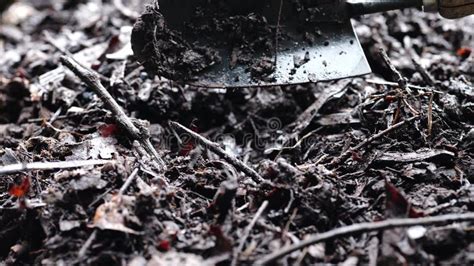
- Moisture: Your compost should feel like a damp sponge – moist but not waterlogged. Too dry, and decomposition slows; too wet, and it becomes anaerobic and smelly.
- Aeration: Turning your compost pile regularly (every week or two) introduces oxygen, which is vital for the aerobic microorganisms doing the work. This also helps distribute moisture and heat.
- Size Matters: Chop larger materials into smaller pieces to speed up decomposition.
- Location: Choose a shaded, well-drained spot away from direct sun to prevent drying out and near a water source.
Troubleshooting Common Composting Issues
Don’t be discouraged by minor hiccups. Most composting problems are easily remedied:
- Bad Odor: Usually indicates too much nitrogen (greens) or too much moisture, leading to anaerobic conditions. Add more browns, turn the pile, and reduce watering.
- Pests: Attracted by meat, dairy, or unprocessed food scraps. Ensure these items are not added, or bury fresh kitchen scraps deep within the pile if using an open system. Tumblers are generally pest-resistant.
- Slow Decomposition: Often due to lack of moisture, insufficient nitrogen, or poor aeration. Check moisture levels, add more greens, and turn the pile more frequently.
Harvesting and Using Your Black Gold
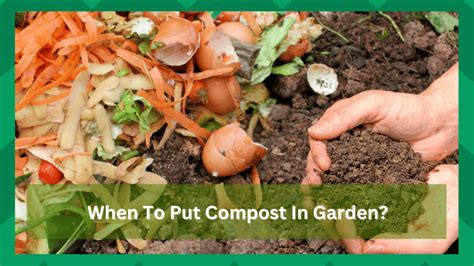
You’ll know your compost is ready when it’s dark brown, crumbly, and smells like fresh earth. There should be no recognizable food or plant scraps remaining. This can take anywhere from a few weeks in a hot, well-managed pile to several months in a slower system.
Once ready, your “black gold” can be used in countless ways:
- Soil Amendment: Mix it directly into garden beds before planting.
- Top Dressing: Spread a layer around existing plants to provide slow-release nutrients.
- Potting Mix: Combine with soil and perlite for a homemade potting blend.
- Seed Starting: Use finer sifted compost for a nutrient-rich seed starting mix.
Embracing sustainable composting is more than just managing waste; it’s about actively participating in nature’s cycle of renewal. By transforming your kitchen scraps and garden waste into rich, life-giving soil, you’re not only nurturing your garden but also contributing to a healthier planet, one shovelful of black gold at a time.