

How to teach children traditional cooking skills using garden produce?

In an age dominated by convenience foods, reconnecting children with the origins of their meals and the joy of preparing them is more important than ever. Teaching traditional cooking skills using garden produce not only imparts valuable life lessons but also cultivates a deeper appreciation for food, nature, and family traditions. This journey from garden bed to dinner plate transforms mundane tasks into exciting adventures, building confidence and healthy habits along the way.
From Garden Bed to Kitchen Countertop: The Journey Begins
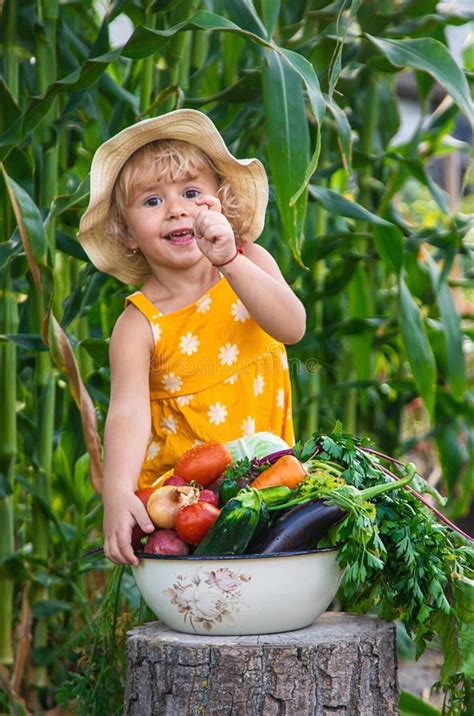
The foundation of this culinary education starts in the garden itself. Involve children from the very beginning – planting seeds, watering sprouts, and observing the miracle of growth. When they harvest a ripe tomato, a crisp lettuce, or a handful of fragrant herbs that they’ve nurtured, the connection to their food becomes tangible and exciting. This hands-on experience demystifies where food comes from, moving beyond supermarket aisles to a real, living source.
Encourage them to identify different plants, understand their growing cycles, and even taste produce directly from the vine (after a quick wash, of course!). This sensory engagement sparks curiosity and a genuine interest in what they’ll soon be transforming into delicious meals. The pride in bringing ‘their own’ produce into the kitchen is a powerful motivator for subsequent cooking activities.
Mastering Basic Traditional Skills Together
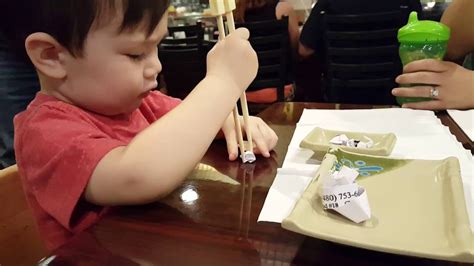
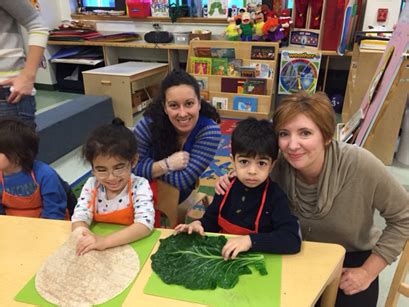
Traditional cooking often relies on fundamental techniques that are surprisingly simple for children to learn. Start with basic skills like washing and scrubbing vegetables, tearing lettuce for salads, or shelling peas. As they grow more confident, introduce age-appropriate knife skills using kid-safe tools or blunt knives for softer items like bananas or cooked potatoes. Peeling vegetables with a peeler, measuring ingredients, and stirring mixtures are all excellent foundational skills that can be taught with patience and supervision.
Focus on traditional recipes that celebrate the fresh, seasonal produce from your garden. These often require fewer processed ingredients and highlight the natural flavors of the vegetables and fruits. Think about simple dishes passed down through generations – a classic tomato sauce, a vibrant vegetable soup, or homemade fruit tarts. These recipes provide a context for learning and connecting with culinary heritage.
Simple Recipes Highlighting Garden Bounty
The garden offers an endless palette for traditional cooking. For instance, an abundance of tomatoes can lead to making homemade pasta sauce from scratch – teaching about simmering, seasoning, and preservation. Zucchini can be grated for quick breads or fritters. Fresh berries are perfect for simple crumbles, jams, or a fruit salad with a dollop of homemade whipped cream. Herbs can be used to infuse oils or create flavorful pestos.
Allow children to choose some of the produce and brainstorm what they could make. This fosters creativity and empowers them in the kitchen. Guide them through the process, explaining each step and why it’s important. Turn cooking into a mini-science experiment, observing how heat changes food or how different ingredients combine to create new flavors and textures.

Cultivating Patience and Culinary Curiosity
Teaching children to cook requires patience and a willingness to embrace a little mess. Break down complex recipes into smaller, manageable steps. Emphasize safety first, teaching proper handling of tools and heat. Turn cooking into a sensory adventure – let them smell the herbs, feel the texture of dough, and taste ingredients at different stages of preparation. Share stories about the origins of dishes or family anecdotes related to cooking.
Don’t strive for perfection; celebrate effort and enthusiasm. If a dish doesn’t turn out exactly as planned, discuss what happened and how to adjust next time. This teaches problem-solving and resilience. The goal isn’t just to produce a meal, but to build skills, create memories, and foster a lifelong curiosity about food and cooking.
The Lasting Benefits of a Shared Kitchen
The benefits of teaching children traditional cooking skills using garden produce extend far beyond the kitchen. They develop essential life skills like measuring, following instructions, and critical thinking. They learn about nutrition and make healthier food choices when they understand what goes into their meals. This shared experience also strengthens family bonds, creating cherished memories and fostering communication.
Furthermore, it instills an appreciation for sustainable living, encouraging them to value local produce, reduce food waste, and understand the effort involved in growing and preparing food. Children who cook are often more adventurous eaters, more confident in their abilities, and more connected to their food system.

Embracing the garden-to-table approach with your children is an investment in their health, education, and happiness. It’s a wonderful way to pass down traditional knowledge, celebrate the abundance of nature, and create a family legacy rich in flavor, skill, and togetherness.