


How to teach kids daily homestead chores without nagging?

In the bustling world of a homestead, where daily tasks range from feeding animals to tending gardens and mending fences, getting everyone to pitch in is crucial. For parents, the challenge often lies in motivating children to contribute without turning every request into a battle or a nagging session. Creating a culture of willing participation is not just about getting the work done; it’s about instilling invaluable life skills, a sense of responsibility, and an understanding of the interconnectedness of their home environment.
This article explores practical, positive methods to integrate children into the rhythm of homestead life, transforming chores from dreaded duties into meaningful contributions they take pride in.
Why Homestead Chores Are Essential for Kids
Beyond the immediate benefit of extra hands, involving children in homestead chores offers a wealth of developmental advantages. It teaches them about work ethic, the source of their food, animal care, and the satisfaction of seeing a project through. Kids learn problem-solving skills, patience, and the direct impact of their actions on the family unit and the land they live on. These experiences build confidence and foster a deep connection to their environment, far beyond what traditional classroom settings can offer.
When children understand the ‘why’ behind a chore – that feeding the chickens ensures fresh eggs, or weeding the garden helps vegetables grow – it transforms the task from arbitrary to purposeful.

Strategies for Engaging Kids in Chores
Make It Fun and Age-Appropriate
The key to avoiding nagging often lies in making tasks engaging. For younger children, turn chores into games: “Let’s see who can gather the most eggs!” or “Can you find all the weeds hiding in the carrot patch?” For older kids, framing tasks as skills to master can be motivating. Assign chores that align with their age and developmental stage. A toddler might help put toys away, while an older child could be responsible for feeding specific animals or starting seedlings.
Establish Clear Routines and Expectations
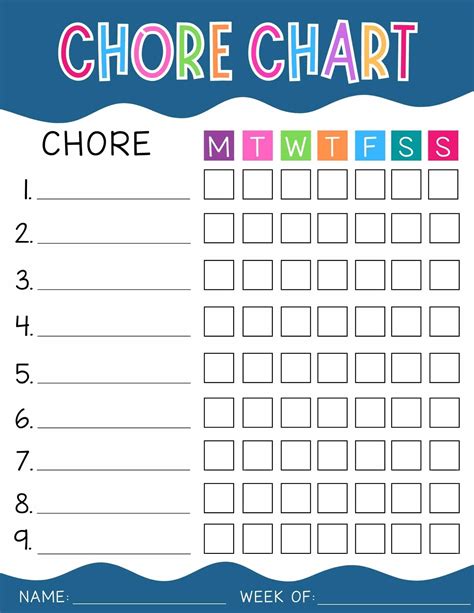
Consistency is vital. Create a visual chore chart, perhaps with pictures for non-readers, that outlines daily and weekly tasks. Discuss expectations openly as a family, explaining what needs to be done, when, and by whom. When chores are a predictable part of the day, like brushing teeth, they become less negotiable and more ingrained in the family routine. This predictability reduces friction and the need for constant reminders.
Lead By Example and Work Together
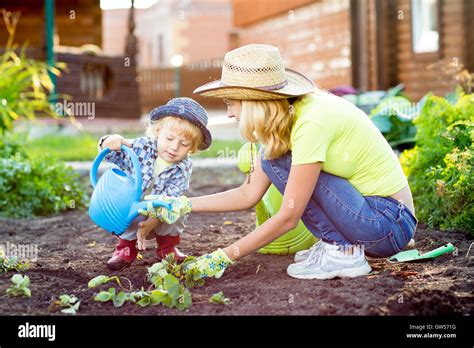
Children are natural imitators. When they see you actively engaged in homestead tasks with a positive attitude, they are more likely to follow suit. Instead of delegating entirely, especially initially, work alongside your children. Show them how to do a task, explain your process, and let them try. This not only models good work habits but also provides an opportunity for teaching and bonding. Family work sessions can be a powerful way to foster a sense of shared responsibility.
Empower Through Choice and Ownership
Whenever possible, offer choices. “Would you rather help weed the garden or gather kindling for the fire?” Giving children agency over their tasks makes them feel respected and more invested. Once they’ve chosen a chore, let them take ownership. Allow them to be responsible for seeing it through, even if it’s not done perfectly the first time. This ownership fosters independence and problem-solving skills.
Focus on Positive Reinforcement, Not Perfection
Instead of criticizing mistakes, focus on effort and progress. Offer specific praise: “I really appreciate how carefully you collected those fragile eggs,” or “You did a great job sweeping the barn.” Acknowledging their contributions verbally, or with a high-five, can be far more effective than material rewards. The goal isn’t immediate perfection, but consistent effort and a growing understanding of their role.

Overcoming Common Challenges
Even with the best strategies, resistance will happen. When it does, return to empathy and communication. Ask open-ended questions about why they’re reluctant. Reiterate the importance of their contribution to the family. Sometimes, a break or a shift in task is all that’s needed. Remember that consistency, patience, and a positive attitude from parents are the most powerful tools in overcoming chore-related hurdles. Avoid ultimatums and focus on collaboration.

Conclusion: Cultivating a Culture of Contribution
Teaching kids daily homestead chores without nagging is an ongoing journey that requires patience, creativity, and a consistent approach. By making chores purposeful, age-appropriate, and enjoyable, and by leading with example and positive reinforcement, you can transform the way your children view and engage with their responsibilities. The ultimate reward is not just a smoothly running homestead, but children who grow into capable, responsible, and engaged members of their family and community, deeply connected to the land and the value of their own hands.