
How to teach kids homestead chores responsibly, making it fun?
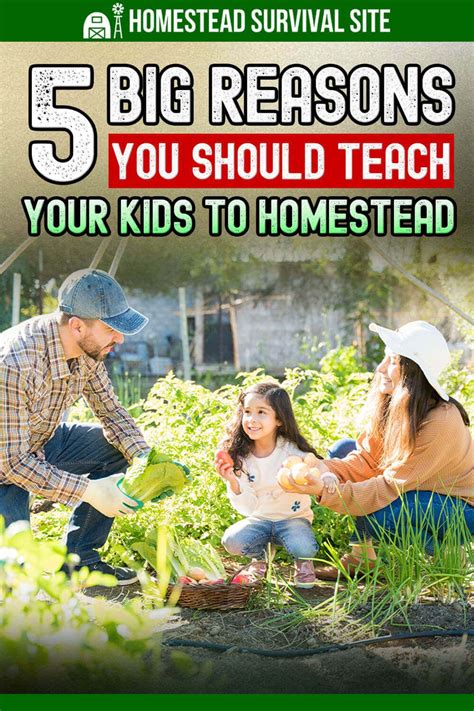
Homesteading offers a unique opportunity to instill invaluable life skills, a strong work ethic, and a deep connection to nature in children. However, the thought of adding “teach kids chores” to an already packed homesteading schedule can feel daunting. The good news is that with a thoughtful approach, involving children in homestead tasks can be incredibly rewarding, fostering responsibility, self-sufficiency, and even becoming a source of joy for the whole family.
Start Small and Age-Appropriate
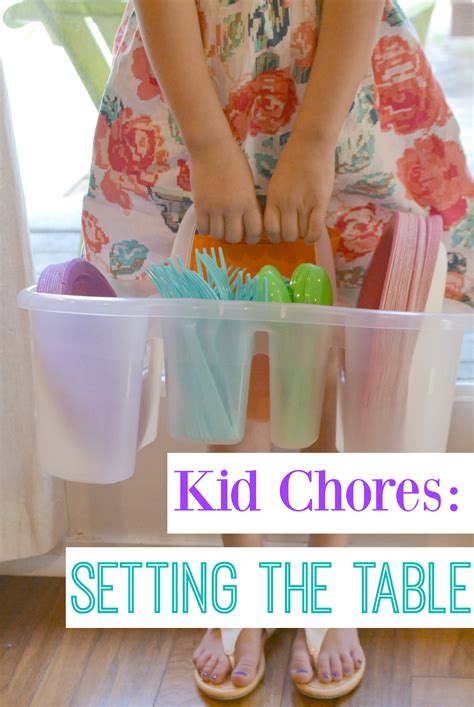
The key to successful chore integration is to begin with tasks that match your child’s age, developmental stage, and physical capabilities. For toddlers, this might mean helping to put eggs in a basket or watering a small potted plant. Preschoolers can assist with feeding chickens, gathering vegetables, or simple sweeping. Older children can take on more complex tasks like weeding garden beds, tending to larger animals, or even helping with basic construction projects.

Make it a Game, Not a Grunt
Transforming chores into engaging activities is crucial for maintaining interest. Challenge kids to a “weed race” to see who can clear a small patch the fastest, or turn harvesting into a treasure hunt for ripe produce. Create a “farm animal feeding” adventure where each animal needs a specific “magic potion” (their food). Storytelling can also be a powerful tool; imagine gathering firewood is helping a friendly dragon build its nest.
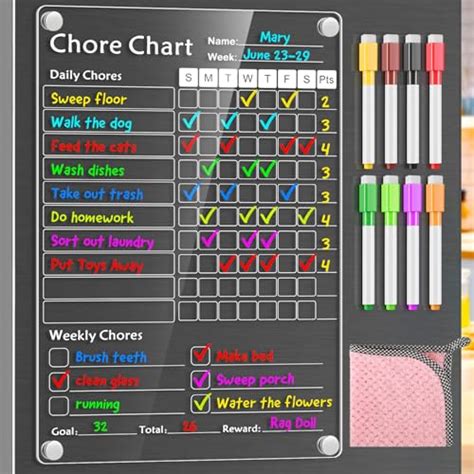
Consider implementing a chore chart with visual aids for younger children, allowing them to track their progress and feel a sense of accomplishment as they complete tasks. Rotate chores regularly to keep things fresh and expose them to different aspects of homestead life, preventing monotony and encouraging versatility.

Lead by Example and Teach Skills
Children are natural imitators. When they see you approaching tasks with enthusiasm and a willingness to teach, they are more likely to follow suit. Instead of simply dictating chores, take the time to demonstrate how to do them properly, explaining the “why” behind each step. For instance, explain why weeding is important for healthy plants or why animal coops need to be cleaned regularly for their well-being.
Patience is paramount. Expect mistakes and view them as learning opportunities rather than failures. Involve children in the planning process where appropriate; ask them what they think needs to be done or how they might approach a task. This empowers them and gives them a sense of ownership over their contributions.
Celebrate Efforts, Not Just Perfection
Focus on positive reinforcement. Acknowledge and praise your child’s effort and participation, regardless of how perfectly the chore was executed. A simple “Thank you for helping feed the chickens, that was a big help!” goes a long way. Creating a positive and supportive environment encourages continued involvement.
While external rewards can be used occasionally, strive for intrinsic motivation. Help children understand the natural rewards of their labor: the taste of fresh vegetables they helped grow, the joy of a healthy animal they cared for, or the satisfaction of a tidy space they helped create. These intrinsic rewards are far more powerful and lasting than any sticker chart.

Connect Chores to Purpose and Reward
Help children understand the direct impact of their work. When they collect eggs, show them how those eggs contribute to the family’s breakfast. When they help weed the garden, emphasize that they are ensuring healthy food for the table. This connection to purpose makes chores meaningful and less like arbitrary tasks.
Natural rewards that stem directly from the work are often the most effective. Perhaps helping with the harvest means they get to pick the first tomato or choose a special treat from the garden. Taking care of the animals could mean extra cuddle time or responsibility for naming new additions. These tangible links reinforce the value of their contributions.
Involving children in homestead chores is more than just getting help around the farm; it’s about nurturing capable, responsible, and resilient individuals. By approaching it with creativity, patience, and an understanding of their developmental stage, you can transform daily tasks into engaging learning experiences that strengthen family bonds and equip your children with invaluable life lessons for years to come.