How to teach kids old-fashioned skills for country living & real food?

In an increasingly digital world, equipping children with traditional, hands-on skills can be incredibly empowering and fulfilling. Teaching kids old-fashioned skills for country living and real food not only provides them with practical abilities but also fosters resilience, a strong work ethic, and a deep appreciation for where their food comes from. These skills connect them to nature, their community, and a healthier lifestyle that values self-sufficiency.
Nurturing a Green Thumb: Gardening Basics
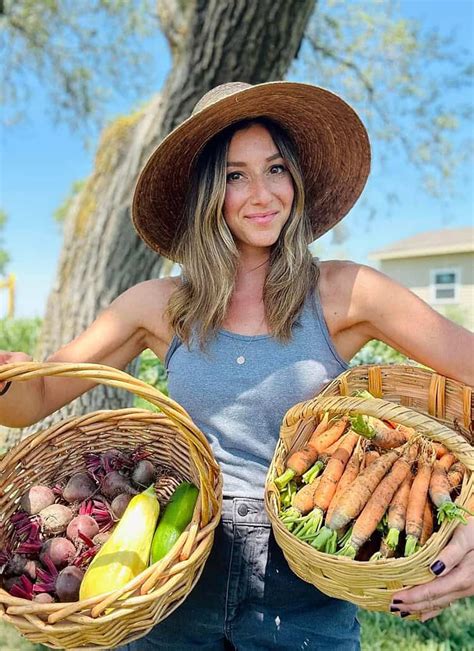
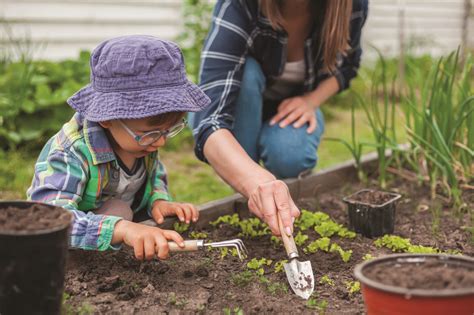
One of the most foundational skills for country living and real food is gardening. Start small with your children; a few pots on a windowsill or a raised garden bed can be perfect. Let them choose what to plant, whether it’s easy-to-grow herbs, vibrant cherry tomatoes, or crunchy radishes. Involve them in every step: preparing the soil, planting seeds, watering, and eventually harvesting.
Explain the life cycle of plants and the importance of healthy soil. This hands-on experience teaches patience, responsibility, and the incredible reward of growing your own food. It also demystifies where food comes from, moving beyond the supermarket aisle.
From Garden to Table: Cooking & Preserving
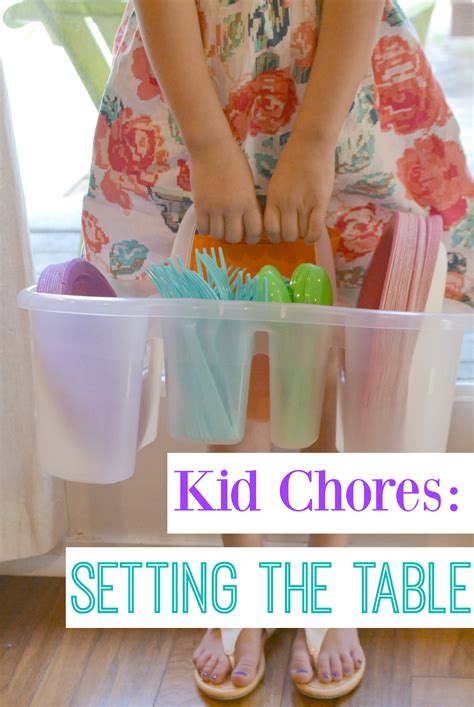
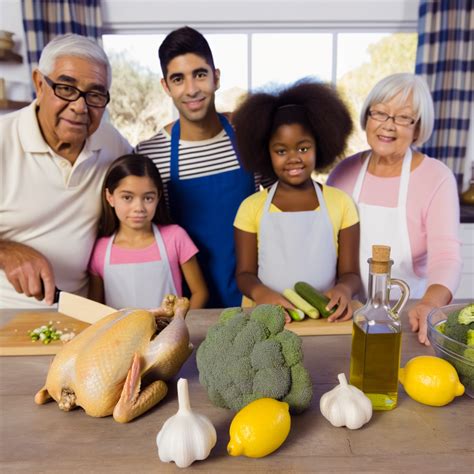
Once the harvest comes in, the next natural step is to teach kids how to prepare and preserve real food. Involve them in the kitchen from a young age. Start with simple tasks like washing vegetables, stirring ingredients, or setting the table. As they grow, teach them basic knife skills, how to follow a recipe, and the joy of cooking from scratch.
Beyond daily meals, introduce them to the art of food preservation. Canning jams, pickling vegetables, drying herbs, or even making fermented foods like sauerkraut are fantastic ways to extend the bounty of the garden. These activities highlight resourcefulness, reduce waste, and provide valuable lessons in self-sufficiency.

Understanding Our Food Sources: Animal Care
For families with space, integrating animal care can be a profound learning experience. Chickens are an excellent starting point, offering daily fresh eggs and teaching children about the responsibility of caring for living creatures. Kids can help collect eggs, feed the birds, and clean the coop. This direct interaction teaches them about animal welfare and the cycle of food production.
Even without a full farm, visits to local farms, petting zoos, or community gardens that feature animals can provide similar educational benefits, fostering respect for animals and a deeper understanding of food systems.

Hands-On Practical Skills: DIY & Craftsmanship
Country living often requires a degree of self-reliance and the ability to fix things. Introduce children to basic DIY skills. This could include simple woodworking projects, learning how to use hand tools safely, or understanding basic household repairs. Teaching them to mend clothes, sew a button, or even knit can empower them with practical skills that promote resourcefulness over consumerism.
These activities develop fine motor skills, problem-solving abilities, and a sense of accomplishment. They learn that making and repairing things can be just as satisfying, if not more so, than buying new.

Connecting with Nature and Sustainability
Beyond specific tasks, encourage a general connection to nature and sustainable practices. Teach them about composting kitchen scraps, conserving water, and understanding local flora and fauna. Go foraging for wild edibles (with expert guidance, of course) or simply explore local trails, identifying plants and animal tracks.
These experiences instill a sense of environmental stewardship and help children understand their place within the natural world, fostering a holistic approach to country living and real food that extends beyond just the backyard.

The Lasting Impact of Traditional Skills
Teaching kids old-fashioned skills for country living and real food is more than just imparting knowledge; it’s about shaping their character and worldview. These experiences build confidence, self-reliance, and a deep appreciation for the effort behind healthy food and a well-maintained home. In an ever-changing world, these timeless skills provide a solid foundation for a resilient, healthy, and fulfilling life, connecting children to a rich heritage of practical wisdom and sustainable living.