

How to teach kids practical homestead skills and daily chores?

Cultivating Competence: Why Teach Kids Homestead Skills and Chores?
In an increasingly digitized world, the value of practical life skills and a strong work ethic cannot be overstated. Teaching children homestead skills and daily chores is more than just getting tasks done; it’s about instilling responsibility, fostering self-sufficiency, and building a deeper connection to their environment and the effort required to maintain a home. From understanding where food comes from to mastering basic household management, these experiences are foundational for developing resilient, capable individuals.

Making Learning Fun and Age-Appropriate
The key to success lies in making tasks engaging and tailored to a child’s developmental stage. For toddlers, simple tasks like putting toys away or helping to wipe spills can be framed as “helping mommy/daddy.” Elementary-aged children can handle more structured responsibilities, while teenagers can tackle complex projects and take on significant roles in household management. Turn chores into games, create incentive charts, or offer small, non-monetary rewards like extra story time or a family movie night. The goal is to make participation feel like a privilege and a contribution, not a punishment.
Hands-On Homestead Skills for Young Learners
Homesteading offers a rich curriculum for practical learning. Even without a vast farm, many principles can be applied in urban or suburban settings.
- Gardening: Involve kids in planting seeds, watering plants, weeding, and harvesting vegetables. This teaches patience, biology, and the satisfaction of growing your own food.
- Animal Care: If you have pets or backyard chickens, assign responsibilities like feeding, watering, or collecting eggs. This teaches empathy, routine, and respect for living creatures.
- Basic Food Preparation & Preservation: Let them help with simple cooking tasks like washing vegetables, stirring, or measuring ingredients. Teach them about canning, drying herbs, or making jam – even if it’s just helping with labels.
- Simple Repairs & Maintenance: Involve them in fixing a leaky faucet (under supervision), sweeping the garage, or organizing tools. This builds problem-solving skills and a sense of capability.
Integrating Daily Chores Seamlessly
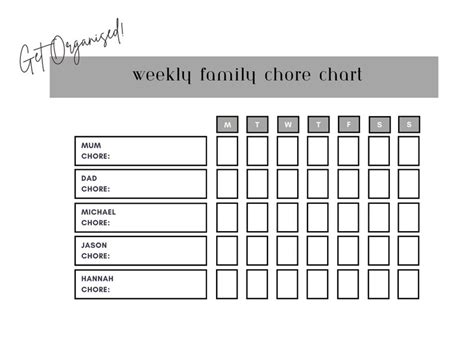
Consistency is paramount when it comes to daily chores. Establish a routine and stick to it. A visual chore chart can be incredibly effective, allowing children to see their responsibilities and track their progress. Avoid nagging; instead, implement natural consequences. If a chore isn’t done, a privilege might be delayed, or the family activity can’t start until the task is complete. Frame chores as contributions to the family unit – everyone plays a part in maintaining a harmonious home.
- Morning Routine: Making beds, getting dressed, helping with breakfast.
- After-School Tasks: Putting away backpacks, tidying play areas.
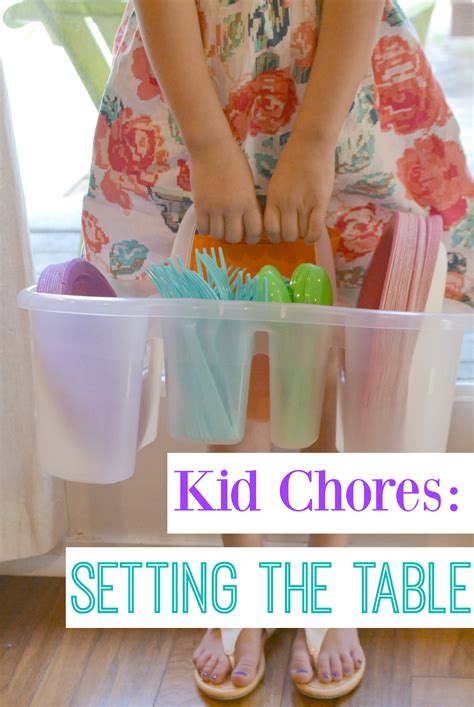
- Evening Duties: Helping set the table, washing dishes, taking out trash.
The Power of Example and Patience
Children are master imitators. The most effective way to teach responsibility is to model it yourself. Let them see you doing chores cheerfully and taking pride in your work. Offer positive reinforcement and specific praise, focusing on their effort rather than just the outcome. “I really appreciate how carefully you weeded the garden,” is more impactful than “Good job.” Remember that learning takes time, and there will be messes and mistakes. Patience, understanding, and consistent encouragement are far more effective than criticism.

Teaching kids practical homestead skills and daily chores is an investment in their future. It cultivates a sense of competence, responsibility, and gratitude, equipping them with invaluable life skills that extend far beyond the boundaries of your home. By making these experiences a positive and integral part of family life, you’re raising capable individuals ready to contribute meaningfully to the world around them.