How to tenderize tough country meat cuts for flavorful stews & roasts?

Unlocking Flavor: Mastering Tough Meat Cuts
Country meat cuts, often sourced directly from farms or specific butcher shops, are known for their robust flavor but can also be notoriously tough. These cuts typically come from well-worked muscles, rich in connective tissue like collagen, which makes them chewy if not prepared correctly. However, with the right techniques, you can transform even the most unyielding cuts into incredibly tender, flavorful stews and roasts that are truly unforgettable.
Understanding the Science of Tenderness
The secret to tenderizing lies in breaking down the collagen and muscle fibers. Collagen, a protein, melts into gelatin when cooked slowly with moisture, creating that luxurious mouthfeel in stews and braises. Muscle fibers, on the other hand, can tighten and become tough with high, dry heat but can be softened through various mechanical, chemical, and thermal processes.
Mechanical Tenderizing
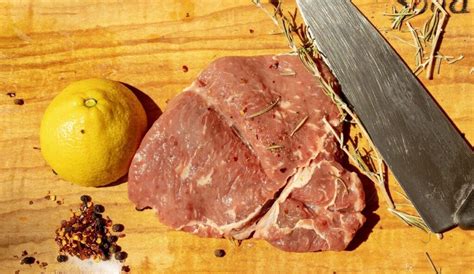
This is the most straightforward approach. Pounding tough cuts with a meat mallet physically breaks down muscle fibers and connective tissue. Similarly, scoring the surface with a sharp knife (especially for cuts with a thick layer of fat or silver skin) helps interrupt the fibers and allows marinades to penetrate deeper. Pricking the meat all over with a fork can also achieve a similar, though milder, effect.
Chemical & Enzymatic Tenderizing
Marinades are your best friends for tenderizing and infusing flavor. Acids, such as vinegar, lemon juice, wine, buttermilk, or yogurt, help to denature proteins, beginning the tenderizing process. For truly tough cuts, consider enzymatic tenderizers found naturally in fruits like pineapple (bromelain), papaya (papain), and kiwi (actinidin). Be cautious with these as they can turn meat mushy if left too long. Commercial meat tenderizers often contain similar enzymes.
Pre-Cooking Preparation Steps
Brining & Salting
While often associated with poultry, brining (soaking meat in a saltwater solution) can significantly improve the tenderness and juiciness of tough meat cuts. The salt helps to break down muscle fibers and allows the meat to retain more moisture during cooking. Dry brining (seasoning generously with salt and letting it rest) achieves similar results over a longer period.
Browning for Flavor
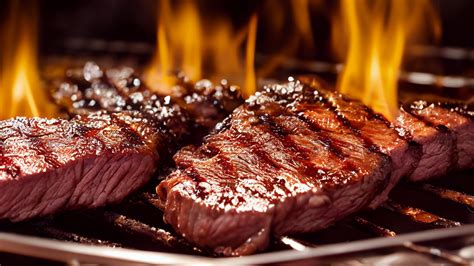
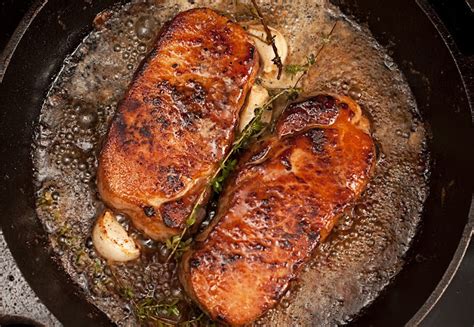
Before any slow cooking begins, searing the meat on all sides in a hot pan creates a rich, caramelized crust (Maillard reaction) that adds incredible depth of flavor to your final dish. Don’t skip this step, as it’s crucial for developing a complex taste profile.
Slow Cooking: The Ultimate Tenderizer
For tough country cuts destined for stews and roasts, low and slow cooking is paramount. This method gives collagen ample time to break down into gelatin, resulting in fall-apart tender meat.
- Braising: This involves searing meat, then cooking it partially submerged in liquid (broth, wine, beer, tomatoes, or a combination) in a covered pot (Dutch oven or slow cooker) at a low temperature for several hours.
- Stewing: Similar to braising but typically involves smaller pieces of meat fully submerged in liquid, often with vegetables, and cooked for an extended period.
- Slow Roasting: While some tougher roasts benefit from braising, others can be slow-roasted at lower oven temperatures, often with some moisture added to the pan, to gently cook them until tender.

Cutting & Resting: Final Touches for Tenderness
Cutting Against the Grain
Even perfectly tenderized meat can feel tough if sliced incorrectly. Always cut against the grain of the muscle fibers. This shortens the fibers, making each bite easier to chew and more tender. Take a moment to observe the direction of the fibers before you begin carving.
Resting the Meat
After cooking, allow your roast or large stew pieces to rest for at least 10-20 minutes before carving. This allows the juices, which have been pushed to the center during cooking, to redistribute throughout the meat, ensuring a moist and succulent result.

Conclusion
Tenderizing tough country meat cuts is a blend of art and science. By understanding the properties of the meat and employing a combination of mechanical, chemical, and most importantly, low-and-slow cooking techniques, you can transform these overlooked cuts into economic, intensely flavorful, and wonderfully tender dishes. So, embrace the challenge, experiment with these methods, and get ready to enjoy some of the most satisfying stews and roasts you’ve ever made.