




How to tenderize tough cuts for flavorful homemade stews?
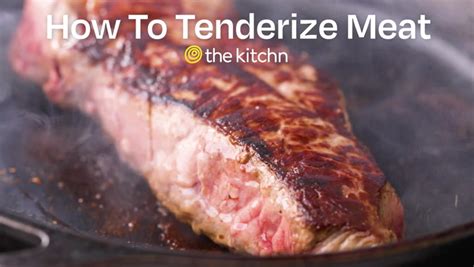
Tough cuts of meat, often more economical, are the secret heroes of deeply flavorful stews. Their higher collagen content, while initially making them chewy, breaks down beautifully during long, slow cooking, transforming into gelatin that enriches the stew with a silky texture and incredible depth of flavor. However, simply throwing them in a pot isn’t enough; a few strategic steps can ensure your meat is melt-in-your-mouth tender every time.
Understanding Tough Cuts and Their Potential
Cuts like beef chuck, stewing beef, oxtail, lamb shoulder, or pork shoulder come from well-exercised parts of the animal, meaning they have stronger muscle fibers and more connective tissue (collagen). While these characteristics make them unsuitable for quick cooking methods, they are precisely what makes them ideal for stewing. Given enough time and the right techniques, this collagen will render down, creating a succulent, tender texture and a rich, unctuous sauce.
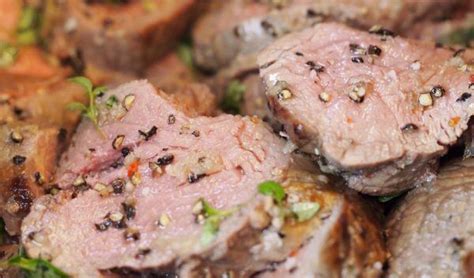
Key Tenderizing Methods for Stews
1. The Power of Slow Cooking and Braising
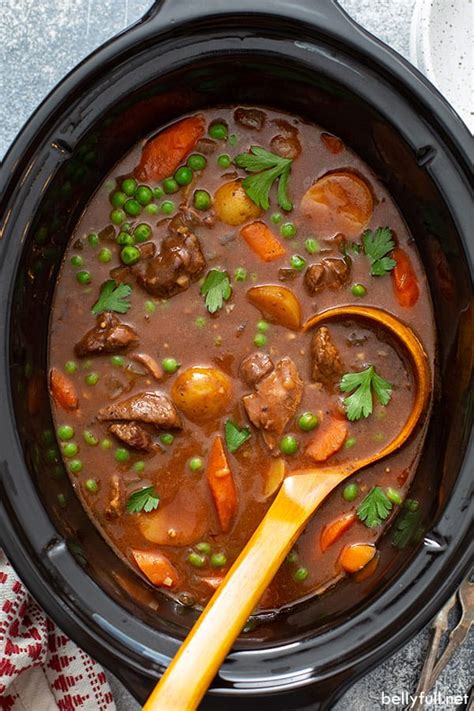
This is arguably the most effective and fundamental method. Low heat over an extended period (2-4 hours or more, depending on the cut) gently breaks down collagen into gelatin. This process happens gradually; if cooked too quickly or at too high a temperature, the meat will seize up and become even tougher before the collagen has a chance to fully dissolve. A Dutch oven, slow cooker, or oven-braising are perfect for this.
2. Marination: Acids and Enzymes
Marinating tough cuts can kickstart the tenderizing process by breaking down muscle fibers before cooking. Two main types of marinades work wonders:
- Acidic Marinades: Ingredients like vinegar, wine, buttermilk, yogurt, or citrus juice can denature proteins, loosening muscle fibers. Be cautious not to over-marinate with strong acids, as it can turn the meat mushy on the exterior while leaving the interior tough. A few hours, or overnight for milder acids, is usually sufficient.
- Enzymatic Marinades: Certain fruits contain natural enzymes that break down proteins. Papain (from papaya) and bromelain (from pineapple) are common examples. These are very potent, so short marinating times (30 minutes to a couple of hours) are crucial to avoid a mealy texture.
3. Mechanical Tenderizing
Before cooking, you can manually break down some of the muscle fibers. Pounding the meat with a mallet or scoring the surface with a sharp knife (especially useful for cuts with a lot of fascia) can help tenderize it and allow marinades and seasonings to penetrate more deeply. For stew meat, this is less common as the slow cooking does most of the work, but it can be beneficial for particularly fibrous pieces.
4. Brining: For Moisture and Tenderness
While often associated with poultry, brining can also improve the tenderness and juiciness of tough meat cuts. A saltwater solution helps the meat absorb moisture and modifies its protein structure, allowing it to retain more liquid during cooking. This results in a noticeably more succulent finished product, even after hours of simmering. A basic brine typically consists of water, salt, and optional aromatics.
5. Searing First: Building Flavor and Texture
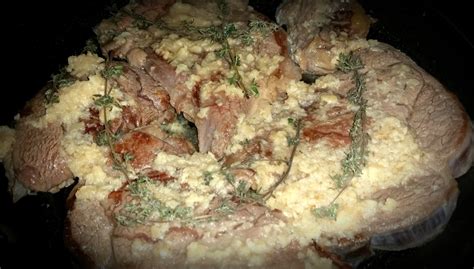
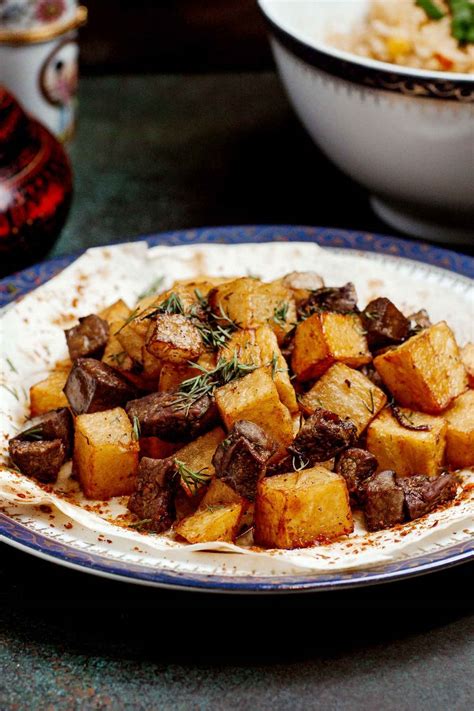
Though not a direct tenderizing method, searing the meat pieces before simmering is vital for developing a deep, rich flavor in your stew. The Maillard reaction creates complex flavors and a beautiful crust. After searing, the meat is deglazed with liquid, and the fond (browned bits) adds another layer of deliciousness to the stew. The subsequent long, slow simmer is what then tenderizes the seared meat.
Beyond the Basics: Essential Tips for Stew Success
- Cut Uniformly: Ensure your meat is cut into roughly uniform pieces (about 1.5-2 inches) so it cooks evenly. Too small, and it will dry out; too large, and it will take forever.
- Don’t Rush: Patience is paramount. Tough cuts need time. Don’t be tempted to crank up the heat to speed things up, as this will only lead to tough, dry meat.
- Proper Liquid Level: Ensure the meat is mostly submerged in liquid (broth, wine, water) during simmering. This keeps it moist and promotes the breakdown of collagen.
- Resting Time: Just like a roast, stew benefits from a short resting period after cooking, allowing juices to redistribute for maximum tenderness and flavor.
Conclusion: Flavorful Feasts Await
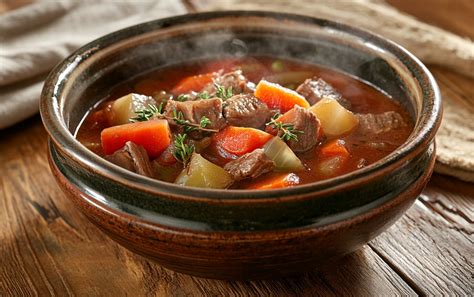
Embracing tough cuts for your homemade stews is a rewarding culinary journey. By understanding the science behind tenderizing and employing methods like slow cooking, thoughtful marination, and proper searing, you can transform these often-overlooked cuts into the star of incredibly flavorful, comforting, and budget-friendly meals. With a little patience and these techniques, you’ll consistently achieve fall-apart tender meat and a rich, delicious stew that will impress every time.