
How to tenderize tough cuts of farm-raised meat for slow cooking?
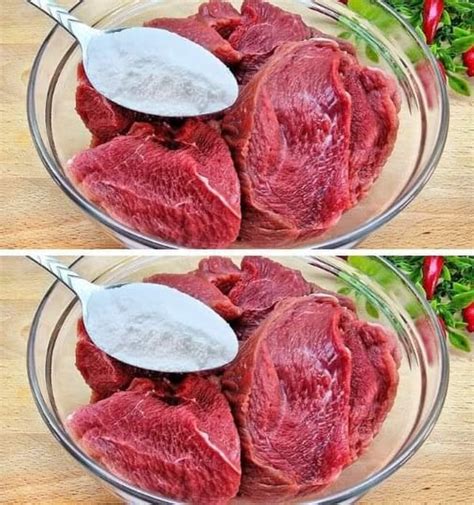
Farm-raised meat, known for its robust flavor and ethical sourcing, can sometimes present a challenge in the kitchen due to its inherent leanness and developed muscle structure, making it tougher than conventionally raised counterparts. However, with the right techniques, these cuts are perfect candidates for slow cooking, yielding incredibly tender, fall-apart results. This guide will walk you through various methods to ensure your farm-raised meats are succulent and delicious every time.
Understanding Toughness in Farm-Raised Meat
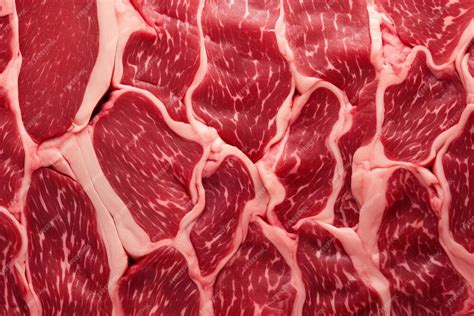
The toughness in meat primarily comes from muscle fibers and collagen, a connective tissue that binds muscle fibers together. Farm-raised animals often lead more active lives, developing stronger muscles and thus more collagen. While collagen makes meat tough initially, slow cooking at low temperatures over an extended period breaks it down into gelatin, which gives meat a rich, melt-in-your-mouth texture and adds incredible flavor to sauces and gravies.
Pre-Cooking Tenderizing Techniques
Before your meat even hits the slow cooker, several steps can significantly improve its tenderness.
Mechanical Tenderizing
Physical methods are straightforward. Pounding tough cuts with a meat mallet breaks down muscle fibers. For thicker cuts, scoring the surface (making shallow cuts in a crisscross pattern) can help marinades penetrate deeper and tenderize the exterior.
Acidic Marinades
Acids found in ingredients like vinegar, lemon juice, wine, buttermilk, and even tomatoes can help break down connective tissues. Marinate meat for several hours or overnight. Be careful not to marinate too long, as excessive acid can “cook” the meat and make it mushy.
Enzymatic Tenderizers
Certain fruits contain enzymes that break down protein. Papain (from papaya), bromelain (from pineapple), and ficin (from figs) are powerful natural tenderizers. Ginger also has enzymatic properties. Use these sparingly and for shorter marinating times (30 minutes to a few hours), as they can quickly turn meat mushy if left too long.
Brining and Salting
Dry brining (salting the meat surface generously and letting it rest) or wet brining (soaking in a saltwater solution) helps to break down muscle proteins, allowing the meat to retain more moisture during cooking. This results in a juicier, more tender final product. For dry brining, apply salt 12-24 hours before cooking and refrigerate uncovered.
Tenderizing During Cooking: The Magic of Slow Cooking
Slow cooking is inherently a tenderizing method, particularly for cuts rich in collagen.
Low and Slow Heat
The key to transforming tough cuts is gentle, prolonged heat. Temperatures between 200-325°F (93-163°C) are ideal. This range allows collagen to slowly dissolve into gelatin without squeezing out too much moisture from the muscle fibers, resulting in tender, succulent meat.
Moisture is Key
Braising, stewing, and using a slow cooker involve cooking meat partially or fully submerged in liquid. This moist environment helps distribute heat evenly, prevents drying out, and facilitates the conversion of collagen to gelatin.
Proper Cutting
While not a tenderizing method itself, cutting meat against the grain after it’s cooked can make even slightly tougher cuts feel more tender. It shortens the muscle fibers, making them easier to chew.
Beyond the Basics: Advanced Tips
Velvetizing with Baking Soda
For stir-fries and quick cooking, a common Asian technique involves treating thin strips of meat with a small amount of baking soda. It temporarily raises the pH of the meat, breaking down proteins and making it incredibly tender. Rinse thoroughly before cooking.
Browning Before Slow Cooking
While not for tenderness, searing the meat on all sides before adding it to the slow cooker or braising pot creates a rich, complex flavor through the Maillard reaction, adding depth to your final dish.

Common Cuts for Slow Cooking
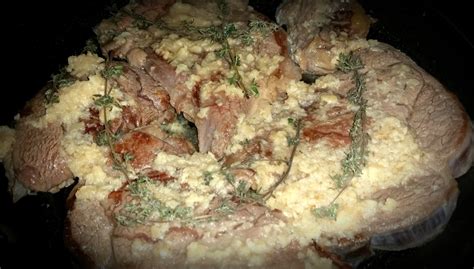
Embrace these farm-raised cuts for your slow cooker: Chuck Roast, Brisket, Short Ribs, Oxtail, Lamb Shank, Pork Shoulder (Boston Butt), and certain cuts of Venison or other game meats. These cuts are typically rich in connective tissue and thrive with slow cooking.
Conclusion
Transforming tough cuts of farm-raised meat into culinary masterpieces is a rewarding process that combines understanding meat science with practical kitchen techniques. By employing mechanical tenderizing, strategic marinating or brining, and the magic of low-and-slow moist cooking, you can unlock the full potential of these flavorful cuts, ensuring every meal is a triumph of tenderness and taste. Don’t be intimidated by their initial toughness; embrace the journey to deliciousness!