

How to troubleshoot sourdough starter issues for consistent homemade bread?
Understanding Your Sourdough Starter
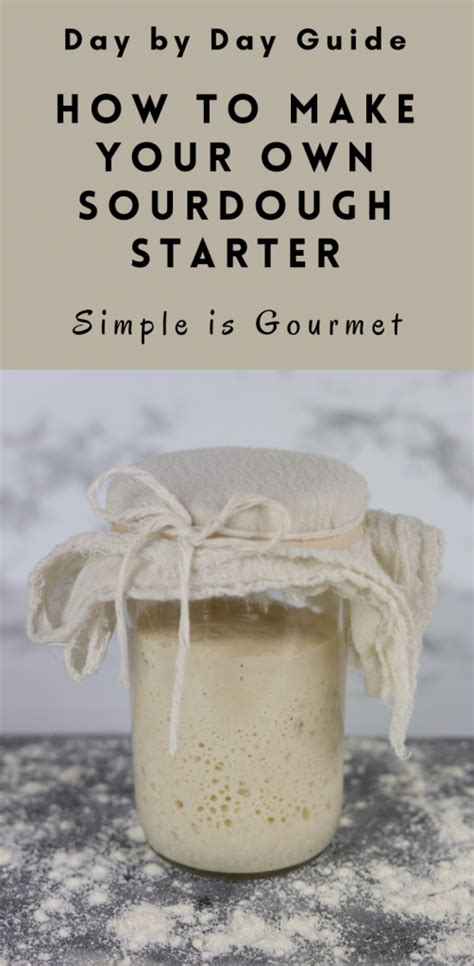
A thriving sourdough starter is the heart of exceptional homemade bread, yet many bakers encounter challenges along their journey. From sluggish activity to off-putting smells, identifying and addressing these issues is key to baking success. Don’t be discouraged by setbacks; understanding the common problems and their solutions will empower you to maintain a robust and reliable starter.
This guide will walk you through the most frequent sourdough starter dilemmas, providing practical tips to bring your starter back to life and ensure consistent results for your loaves.
Common Sourdough Starter Issues and How to Fix Them
1. Inactive or Sluggish Starter
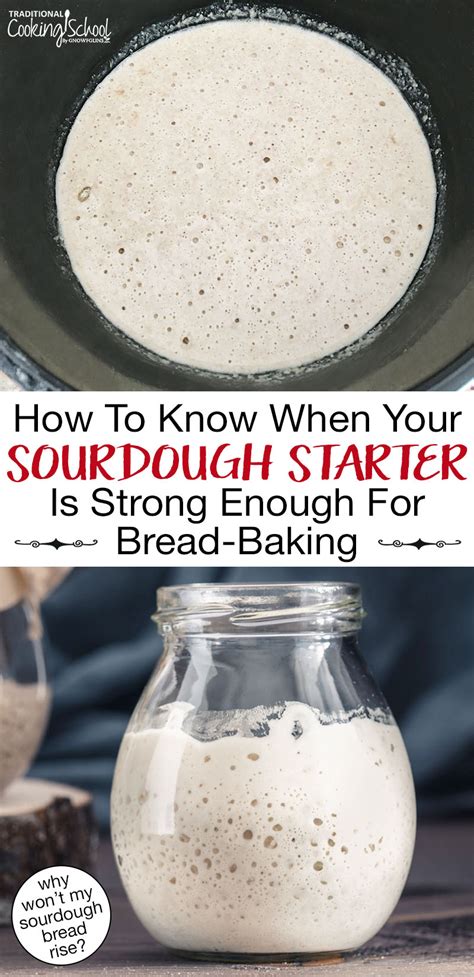
If your starter isn’t rising much after feeding, has few bubbles, or doesn’t smell yeasty, it might be sluggish. This is one of the most common issues.
- Causes: Irregular feeding, too cold an environment, insufficient hydration, or weak flour.
- Solutions:
- Increase Feeding Frequency: If feeding once every 24 hours, try feeding every 12 hours.
- Warmth: Move your starter to a warmer spot (75-80°F / 24-27°C). A proofing box or oven with the light on can help.
- Adjust Ratio: Try a 1:1:1 or 1:2:2 ratio (starter:water:flour) by weight to give it more food.
- Use Stronger Flour: Switch to a high-protein bread flour or a good quality organic all-purpose flour.
- Filtered Water: Ensure you’re using filtered or de-chlorinated water, as chlorine can inhibit yeast activity.
2. Excessive Hooch (Dark Liquid on Top)
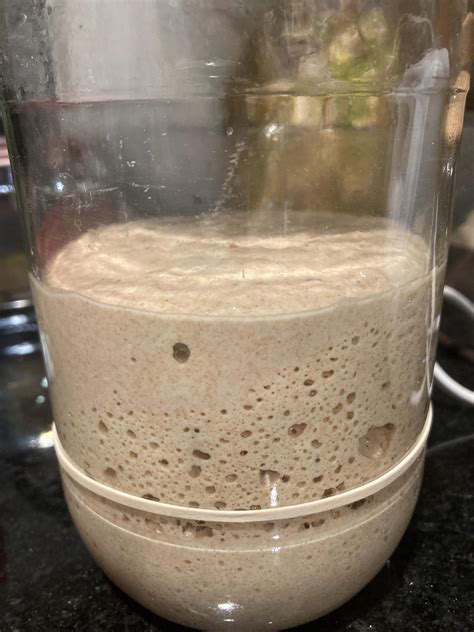
Hooch is the liquid that separates on top of your starter. Clear hooch is normal, indicating your starter is hungry. Dark hooch, however, suggests severe hunger and potential neglect.
- Causes: Infrequent feeding, not enough flour in proportion to water, or too long without a refresh.
- Solutions:
- Stir It In (Clear Hooch): If the hooch is clear and minimal, simply stir it back into the starter before feeding.
- Pour Off & Feed (Dark Hooch): If it’s dark brown or black, pour it off. Discard most of your starter, leaving only a tablespoon or two, and feed it generously (e.g., 1:3:3 ratio). Repeat this process until it becomes active and the hooch is clear again.
- Increase Feeding: Feed more frequently or with a higher flour ratio.
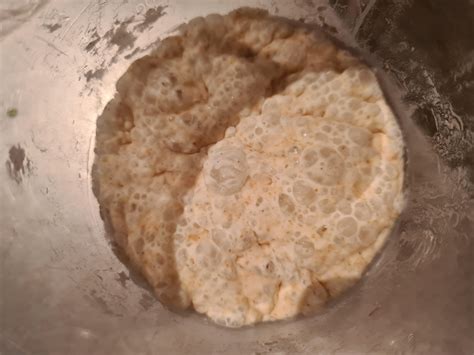
3. Mold or Discoloration
This is a serious issue that usually means your starter is contaminated and cannot be saved.
- Causes: Contamination from airborne spores, dirty utensils, or infrequent feeding making the starter vulnerable.
- Solutions:
- Discard Immediately: If you see any fuzzy patches of green, black, orange, or pink mold, or notice unusual colors, discard the entire starter. Do not attempt to salvage it.
- Cleanliness: Ensure all jars and utensils are thoroughly cleaned and sanitized.
- Start Fresh: It’s safer to begin a new starter to avoid potential health risks.
4. Unpleasant or Off Smells
A healthy starter should smell tangy, yeasty, and slightly sweet, like ripe fruit or beer. Foul smells indicate an imbalance.
- Causes: Too much acetic acid build-up (vinegar smell), bacterial imbalance, or contamination.
- Solutions:
- Vinegar/Acetone Smell: This means your starter is very hungry. Increase feeding frequency and/or the amount of flour. A cooler environment can slow fermentation.
- Rotten/Foul Smell: This can indicate contamination. If accompanied by mold, discard. If not, try a few vigorous feedings (e.g., 1:10:10 ratio) to dilute any unwanted bacteria. If the smell persists, it might be time to start over.
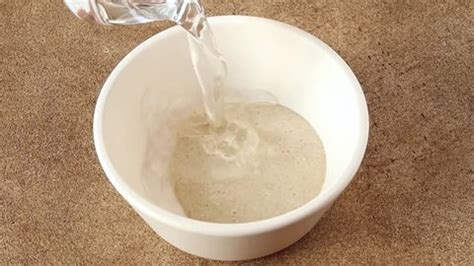
5. Starter Separation or Watery Consistency
Sometimes your starter can become very thin or separate into distinct layers, not just hooch on top.
- Causes: Too much water in the feeding ratio, or the starter has consumed all its food and is breaking down.
- Solutions:
- Adjust Hydration: When feeding, ensure your starter has a consistent, thick pancake batter-like consistency. If it’s too thin, reduce the water slightly at the next feeding.
- Consistent Feeding: Feed regularly before it becomes overly watery.
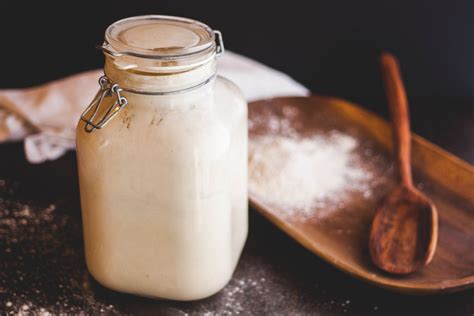
General Tips for a Happy, Healthy Starter
- Consistent Feeding Schedule: Feed your starter regularly, ideally when it has peaked and just begun to fall.
- Temperature Control: Keep your starter in a consistent temperature range (70-78°F / 21-26°C) for optimal activity.
- Use Quality Ingredients: High-quality, unbleached flour and filtered water make a big difference.
- Cleanliness is Key: Always use clean jars and utensils to prevent contamination.
- Observation: Pay attention to your starter’s behavior – its rise, fall, smell, and texture are all indicators of its health.
Troubleshooting sourdough starter issues is part of the baking journey. With patience and a little adjustment, you can resolve most problems and enjoy the rewarding process of baking with your own active, vibrant starter. Don’t give up!